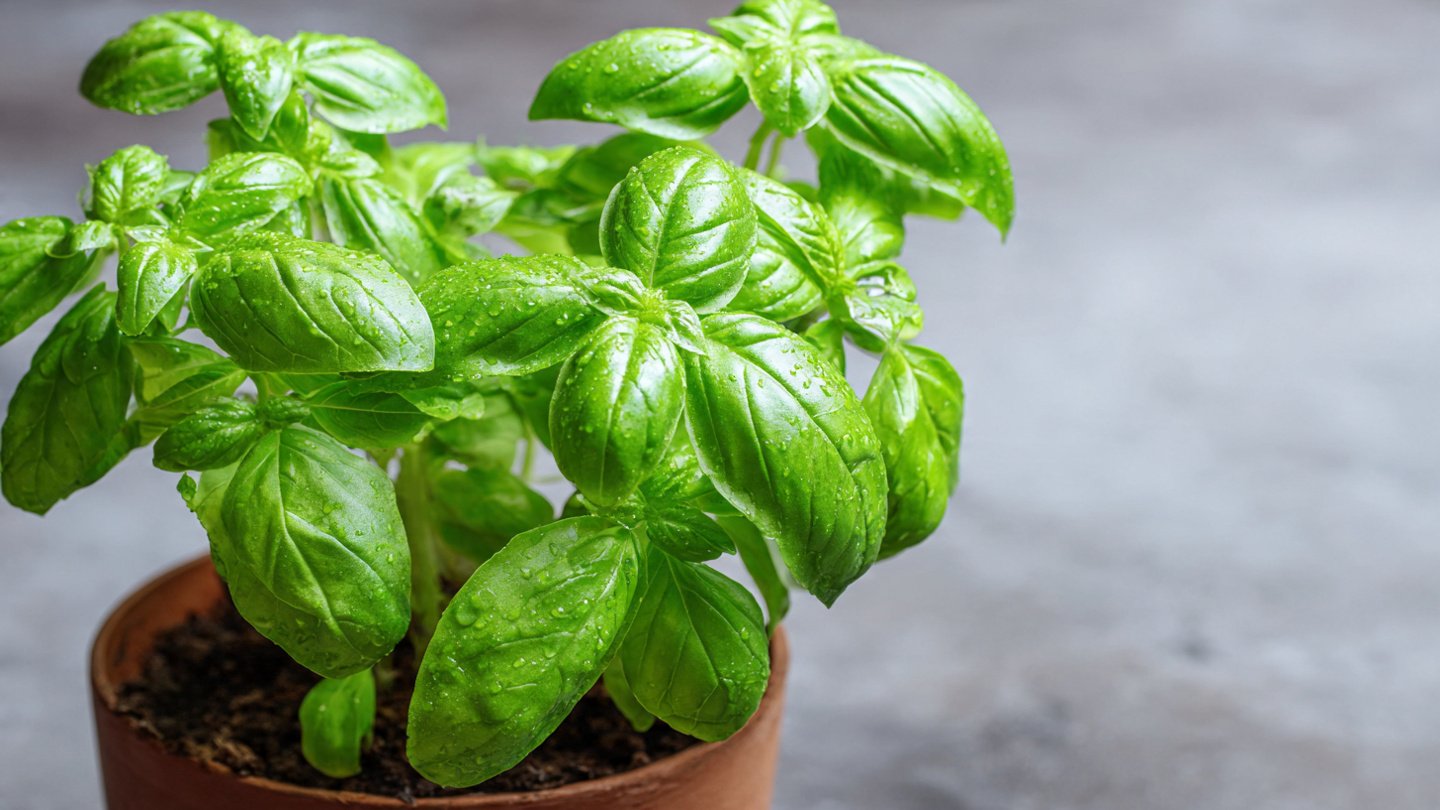
Basil (Ocimum basilicum) is a fragrant, versatile herb that is a staple in kitchens worldwide. Its aromatic leaves enhance sauces, salads, and teas, while also offering medicinal and nutritional benefits. Growing basil at home is not only cost-effective but also ensures fresh, chemical-free leaves for your cooking. For many home gardeners, the challenge lies in growing a lush, bushy basil plant rather than a sparse, leggy one. With the right techniques, you can cultivate healthy, compact basil plants that produce abundant foliage throughout the season.
This guide provides easy, beginner-friendly methods for growing a lush, bushy basil plant at home—whether in containers, garden beds, or even indoor spaces.
Why Grow Basil at Home?
Growing basil at home has several advantages:
- Freshness and Flavor: Homegrown basil retains its full aroma and flavor, which store-bought leaves often lose quickly.
- Continuous Supply: By cultivating a bushy plant, you can harvest leaves regularly without depleting the plant.
- Aesthetics: Basil adds greenery and a pleasant fragrance to gardens, patios, and kitchens.
- Health Benefits: Basil contains antioxidants, vitamins A, K, and C, and compounds that support digestion and immunity.
- Educational and Enjoyable: Growing herbs at home encourages learning about plant care, propagation, and sustainable gardening.
With minimal care, basil can be a rewarding herb to grow year-round.
Step 1: Choose the Right Basil Variety
Selecting the appropriate basil variety is the first step to achieving a lush, bushy plant:
- Sweet Basil: Classic culinary variety used in pesto, salads, and Italian dishes.
- Genovese Basil: Known for large leaves and intense flavor, ideal for Mediterranean cooking.
- Thai Basil: Adds a spicy, anise-like flavor, great for Asian cuisines.
- Compact Varieties: Varieties like ‘Spicy Bush’ or ‘Compact Genovese’ naturally grow bushier and are perfect for containers.
Choosing the right variety ensures better growth habits and maximizes leaf production.
Step 2: Start from Seeds or Healthy Seedlings
You can grow basil from seeds or purchase healthy seedlings:
Starting from Seeds:
- Seed Selection: Use fresh, high-quality seeds for better germination.
- Sowing: Plant seeds in seed-starting trays or small pots ¼ inch deep in a light, well-draining soil mix.
- Watering: Keep soil moist but not waterlogged.
- Light: Place seedlings in a sunny window or under grow lights for 6–8 hours daily.
Using Seedlings:
- Purchase young, healthy basil plants from nurseries. Inspect for strong stems, vibrant green leaves, and no signs of pests or disease.
Starting with healthy seedlings or germinated seeds sets the foundation for a vigorous, bushy plant.
Step 3: Choose the Right Container or Garden Spot
Basil grows well in both containers and garden beds, but the choice affects plant size and bushiness:
- Containers:
- Use pots at least 6–8 inches deep and wide for one plant.
- Ensure multiple drainage holes to prevent root rot.
- Use lightweight plastic, terracotta, or ceramic containers.
- Garden Beds:
- Plant basil in well-draining soil with adequate space between plants (8–12 inches).
- Raised beds are ideal for controlling soil quality and drainage.
Providing enough space for roots and growth encourages fuller, bushier foliage.
Step 4: Use Nutrient-Rich, Well-Draining Soil
Basil thrives in fertile, well-draining soil:
- Soil Mix: Combine garden soil with compost or well-rotted manure to provide nutrients. For containers, use a high-quality potting mix.
- pH Level: Maintain slightly acidic to neutral soil with a pH of 6.0–7.0.
- Aeration: Mix in perlite or coarse sand for improved drainage and root health.
- Fertilization: Apply a balanced, slow-release fertilizer or liquid organic feed every 3–4 weeks to support leafy growth.
Healthy soil ensures that basil develops strong roots and lush foliage.
Step 5: Provide Adequate Sunlight
Basil requires plenty of sunlight for healthy growth:
- Light Requirement: 6–8 hours of direct sunlight daily is ideal.
- Placement: South-facing windows or outdoor spots with morning and afternoon sun are perfect.
- Indoor Growing: Use LED grow lights if natural sunlight is insufficient. Rotate containers regularly for even light exposure.
Adequate sunlight promotes compact, bushy growth and prevents legginess.
Step 6: Watering Techniques
Proper watering is key to a lush basil plant:
- Consistent Moisture: Keep soil consistently moist but avoid overwatering. Basil roots cannot tolerate soggy conditions.
- Morning Watering: Water in the morning to allow leaves to dry during the day, reducing fungal risk.
- Container Tips: Containers dry faster than garden soil; check moisture daily and water as needed.
- Mulching: Apply a thin layer of mulch to retain soil moisture and prevent soil temperature fluctuations.
Consistent watering supports vigorous growth and helps produce dense foliage.
Step 7: Pruning and Pinching for Bushiness
The secret to a bushy basil plant lies in pruning and pinching:
- Pinch Tips Early: When seedlings develop 4–6 sets of leaves, pinch off the top 1–2 inches. This encourages lateral growth rather than vertical elongation.
- Regular Harvesting: Harvest leaves frequently, always cutting just above a leaf node. Each cut stimulates new branches.
- Prune Flower Buds: Remove flower buds as soon as they appear. Flowering diverts energy away from leaf growth and can make the plant leggy.
- Shape Plant: Prune to maintain a rounded, compact shape. Avoid leaving long stems without leaves.
Consistent pinching and pruning maximize leaf density and result in a fuller, bushier basil plant.
Step 8: Fertilize for Leaf Growth
To promote dense foliage rather than flowers, basil needs proper nutrition:
- Nitrogen-Rich Fertilizers: Nitrogen supports leaf growth. Use a balanced or slightly nitrogen-heavy fertilizer every 3–4 weeks.
- Organic Options: Apply compost tea, liquid seaweed, or fish emulsion for steady growth and soil health.
- Avoid Excess Fertilizer: Over-fertilization can lead to weak stems and poor flavor.
Well-fed plants produce abundant, flavorful leaves for regular harvest.
Step 9: Pest and Disease Management
Healthy plants grow bushier and produce more leaves. Keep pests and diseases under control:
- Common Pests: Aphids, whiteflies, and spider mites can reduce plant vigor. Spray with neem oil or insecticidal soap as needed.
- Fungal Issues: Overwatering or poor air circulation can cause powdery mildew. Avoid wetting leaves and provide adequate spacing.
- Regular Inspection: Check plants weekly for early signs of pests or disease and remove affected leaves promptly.
Vigorous, pest-free plants maintain dense, bushy growth.
Step 10: Harvesting Tips
Proper harvesting ensures continuous growth and bushiness:
- Frequent Harvesting: Pick leaves regularly, especially the outer leaves, to encourage new growth from the center.
- Cut Above Leaf Nodes: Always leave at least 2–3 sets of leaves at the top when harvesting.
- Avoid Over-Harvesting: Never remove more than one-third of the plant at a time to prevent stress.
Frequent, careful harvesting maintains a healthy, compact basil plant.
Extra Tips for Thriving Basil at Home
- Indoor Growing: Place plants near sunny windows or use grow lights during winter months.
- Companion Planting: Grow basil alongside tomatoes, peppers, or oregano to improve growth and deter pests.
- Temperature: Basil prefers 70–85°F; protect from frost or sudden temperature drops.
- Container Rotation: Rotate pots regularly to ensure even growth and prevent leaning.
- Propagation: Pinch cuttings and root them in water or soil to create new plants for a continuous supply.
By applying these tips, you can maintain a lush, bushy basil garden year-round.
Benefits of Growing Bushy Basil
- Continuous Leaf Supply: A bushy plant produces more leaves for cooking without over-harvesting.
- Flavorful and Aromatic: Fresh, vibrant leaves enhance the taste and aroma of your dishes.
- Aesthetic Appeal: Dense foliage adds greenery and charm to gardens, balconies, and indoor spaces.
- Medicinal Uses: Basil leaves support digestion, immunity, and have anti-inflammatory properties.
- Beginner-Friendly: With simple care techniques, even novice gardeners can achieve lush, healthy plants.
Growing bushy basil at home combines culinary benefits with gardening satisfaction.
Conclusion
Basil is a rewarding herb to grow at home, and achieving a lush, bushy plant is easier than many beginners think. By selecting the right variety, planting in fertile, well-draining soil, providing adequate sunlight and water, and practicing regular pinching and pruning, you can cultivate a compact, vibrant basil plant that produces abundant leaves throughout the season. Proper fertilization, pest management, and frequent harvesting further enhance growth and foliage density.
Whether you’re growing basil in containers on your balcony, in raised beds, or indoors on a windowsill, following these easy methods ensures a thriving, bushy plant ready for culinary use, health benefits, and decorative appeal. With a little attention and care, your homegrown basil will flourish, providing fresh, aromatic leaves for all your cooking and garden enjoyment.