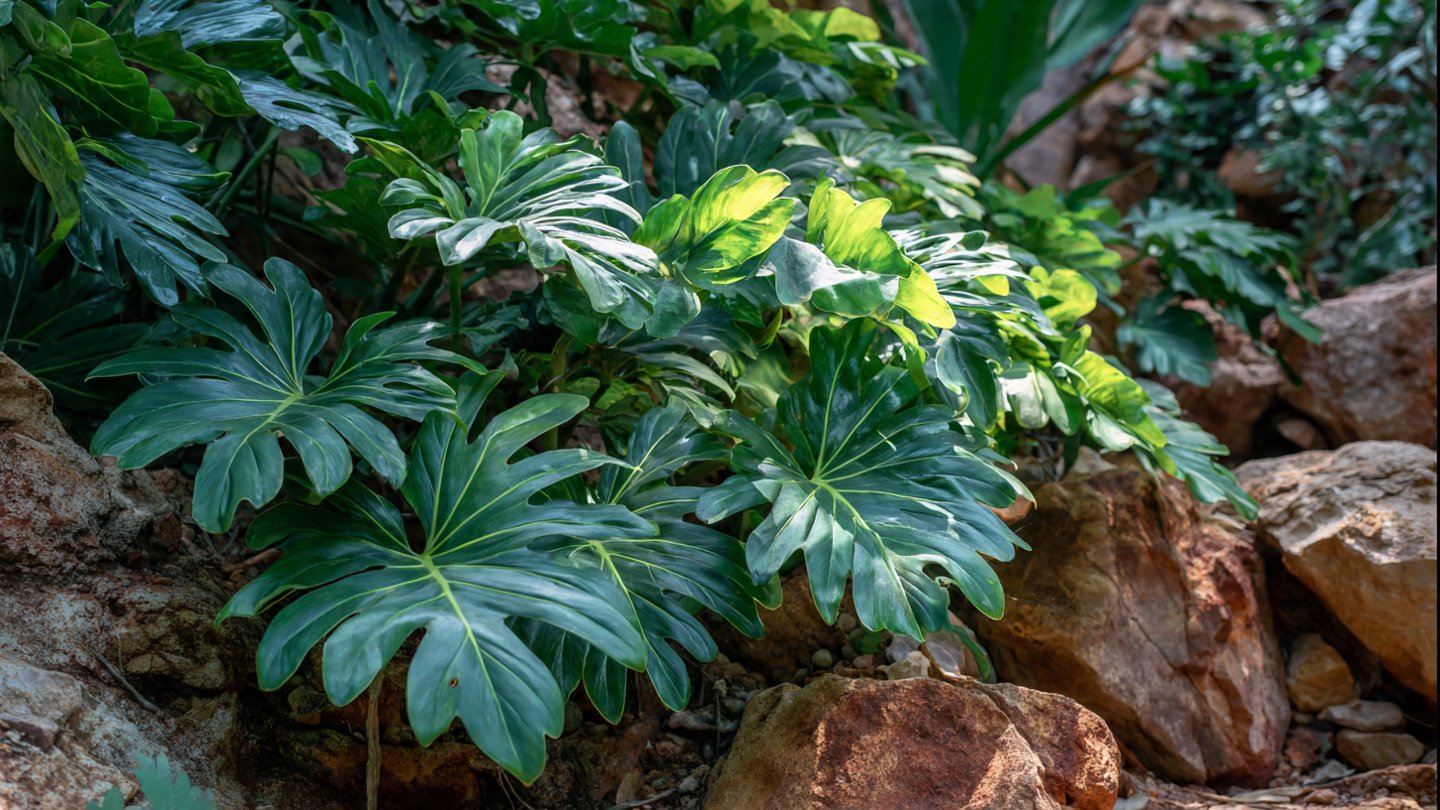
Split Leaf Philodendron, scientifically known as Monstera deliciosa, is a tropical plant famous for its large, glossy, and uniquely fenestrated leaves. Its striking foliage and vigorous growth make it a favorite among plant enthusiasts, not only as an indoor ornamental but also as a magnificent outdoor plant in tropical and subtropical climates. When grown outdoors, this plant can reach impressive sizes, create natural green walls, and enhance any garden with its dramatic appearance.
However, successfully growing Split Leaf Philodendron outdoors requires more than just planting it in soil. Understanding its natural habitat, watering needs, sunlight preferences, soil conditions, and maintenance requirements is essential for achieving optimal growth and stunning foliage. This comprehensive guide provides everything you need to know to grow this tropical beauty outdoors successfully.
Why Grow Split Leaf Philodendron Outdoors?
Growing Split Leaf Philodendron outdoors has multiple benefits:
- Vigorous Growth – Outdoors, the plant receives abundant natural light, humidity, and space, which allows it to grow larger than indoor specimens.
- Lush Foliage – Ample sunlight and natural conditions enhance the deep green color, size, and fenestration of the leaves.
- Natural Aesthetic – Its dramatic, tropical appearance creates a beautiful focal point in gardens, patios, or green walls.
- Air Purification – Like many aroids, Monstera helps improve air quality by absorbing toxins and producing oxygen.
With the right care, outdoor Split Leaf Philodendrons can transform your garden into a lush, tropical paradise.
Choosing the Right Location
Location is critical for outdoor Monstera growth. These plants thrive in conditions that mimic their natural tropical habitat.
Light Requirements
- Indirect Bright Light – Split Leaf Philodendrons prefer bright, filtered light. Too much direct sunlight can scorch the leaves, causing brown patches.
- Partial Shade – Morning sunlight is ideal; avoid harsh afternoon sun.
- Under Trees or Pergolas – Planting near trees or under a pergola provides dappled light similar to the forest understory where it naturally grows.
Temperature and Climate
- Tropical and Subtropical Climates – Best grown outdoors where temperatures remain above 15°C (59°F).
- Frost-Sensitive – Protect the plant in colder climates, as frost can kill leaves and damage stems. Consider planting near walls or in sheltered garden corners for protection.
Space Considerations
- Vigorous Growth – Outdoor Monsteras can reach 10–15 feet in height and width. Ensure ample space for expansion.
- Support Structures – Providing moss poles, trellises, or nearby trees supports vertical growth and prevents sprawling.
Soil Requirements for Optimal Growth
Split Leaf Philodendrons thrive in rich, well-draining soil that mimics their native tropical environment:
- Soil Type – A mix of garden soil, compost, and perlite or coarse sand works well.
- pH Level – Slightly acidic to neutral soil (pH 5.5–7) promotes healthy growth.
- Moisture Retention – The soil should retain moisture without becoming waterlogged. Mulching around the base can help maintain consistent moisture levels.
- Nutrient-Rich – Incorporate organic matter such as compost, leaf mold, or worm castings to provide essential nutrients for vigorous foliage development.
Planting Split Leaf Philodendron Outdoors
Follow these steps for successful outdoor planting:
Step 1: Prepare the Planting Hole
- Dig a hole twice the size of the root ball to allow for proper root expansion.
- Loosen the surrounding soil and mix in compost or organic matter to enrich the planting site.
Step 2: Remove Plant from Container
- Gently remove the plant from its pot.
- Tease roots lightly to encourage outward growth.
Step 3: Planting
- Place the plant in the hole at the same depth as it was in the container.
- Fill the hole with enriched soil and firm gently around the base.
Step 4: Watering
- Water thoroughly after planting to help settle the soil and reduce transplant shock.
- Keep the soil consistently moist for the first few weeks as roots establish.
Watering and Humidity
Split Leaf Philodendrons are tropical plants that require consistent moisture:
- Regular Watering – Water deeply, keeping the soil evenly moist but not soggy.
- Avoid Waterlogging – Excess water can lead to root rot. Ensure proper drainage.
- Humidity Support – Outdoor Monsteras in dry climates may benefit from misting, nearby water features, or grouping with other plants to increase local humidity.
Maintaining the right moisture levels encourages healthy leaves and vigorous growth.
Fertilization for Lush Foliage
Proper feeding supports large, glossy leaves and robust stems:
- Balanced Fertilizer – Use a balanced NPK fertilizer (10:10:10) every 6–8 weeks during the growing season.
- Organic Fertilizers – Compost, worm castings, and liquid seaweed extracts promote natural growth.
- Avoid Over-Fertilization – Excess nitrogen can cause leggy growth and reduce leaf fenestration.
Regular fertilization ensures your Monstera grows large, vibrant leaves that make a bold statement in your garden.
Supporting Vertical Growth
Split Leaf Philodendrons are climbers that naturally grow on trees in the wild. Providing vertical support enhances foliage and overall plant health:
- Moss Poles – Wrap a moss pole in sphagnum moss and tie the plant gently. The roots will attach naturally over time.
- Trellises or Lattice – Train vines along trellises to save space and create vertical interest.
- Nearby Trees – Plant near sturdy trees for natural climbing and shade.
Vertical growth not only saves space but also encourages larger leaves with characteristic splits and fenestrations.
Pruning and Maintenance
Pruning helps maintain the shape, health, and productivity of outdoor Monsteras:
- Remove Dead or Yellowing Leaves – Prevents pest infestations and fungal infections.
- Control Size – Trim back overly long vines to manage growth and maintain aesthetics.
- Promote New Growth – Pruning encourages the development of new leaves with more splits.
Regular maintenance keeps your Monstera healthy, attractive, and visually stunning.
Pest and Disease Management
Outdoor Monstera plants are generally hardy but can face occasional pest or disease issues:
- Common Pests – Spider mites, mealybugs, and scale insects. Use neem oil or insecticidal soap for control.
- Fungal Issues – Ensure good air circulation and avoid wetting leaves excessively to prevent leaf spot and powdery mildew.
- Root Rot – Avoid waterlogged soil; mulch and proper drainage prevent root decay.
Proactive monitoring and organic treatments maintain plant health and ensure continuous growth.
Propagation for Expanding Your Garden
Split Leaf Philodendrons can be propagated outdoors using stem cuttings:
- Select Healthy Stem – Choose a mature stem with at least one node.
- Cut and Root – Place the cutting in moist soil or water until roots develop.
- Planting – Once rooted, transplant to a prepared outdoor location.
Propagation allows you to multiply your Monsteras, creating a lush, tropical display.
Seasonal Care Tips
- Spring and Summer – Focus on regular watering, fertilization, and pruning. Growth is most vigorous during these seasons.
- Autumn – Reduce watering slightly as growth slows. Remove dead leaves and prepare for cooler temperatures.
- Winter (Mild Climates) – Protect from frost; cover with mulch or move to a sheltered area if necessary.
Adjusting care according to seasons helps maintain optimal growth and foliage health.
Creating a Stunning Outdoor Display
- Group Plantings – Combine Monsteras with ferns, philodendrons, or tropical palms for a lush look.
- Vertical Gardens – Train multiple plants on trellises for a tropical wall effect.
- Container Options – Use large outdoor containers to control soil quality and allow mobility.
- Focal Points – Position near patios, walkways, or ponds to highlight the dramatic foliage.
With thoughtful placement and care, your outdoor Monstera can transform any garden space.
Conclusion
Growing Split Leaf Philodendron outdoors is a rewarding way to bring the tropical forest aesthetic to your garden. By understanding its light, soil, water, and humidity needs, providing vertical support, pruning strategically, and monitoring for pests, you can achieve optimal growth and stunning foliage.
This tropical beauty thrives with proper care, offering large, glossy, fenestrated leaves that create a dramatic statement in any landscape. Whether planted in garden beds, near trees, or in large containers, outdoor Monsteras can transform spaces into lush, vibrant environments. With patience, consistent maintenance, and a little planning, you can enjoy a healthy, thriving Split Leaf Philodendron that grows vigorously and dazzles with its spectacular foliage year after year.