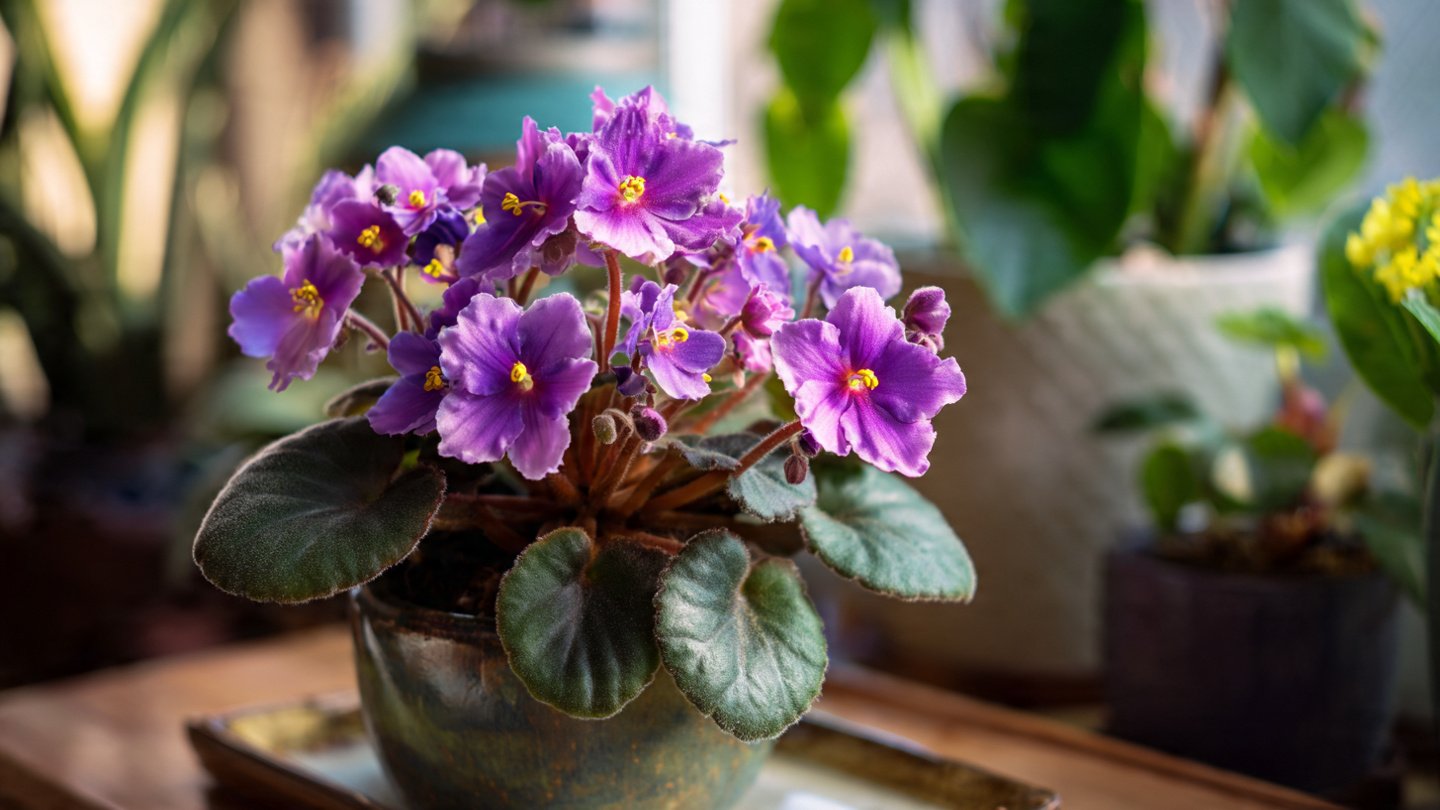
African violets (Saintpaulia spp.) are among the most popular and charming houseplants worldwide, celebrated for their compact size, velvety leaves, and stunning flowers in shades of purple, pink, blue, and white. Their allure lies not only in their beauty but also in their ability to bloom continuously throughout the year when cared for properly. For both beginner and seasoned gardeners, growing African violets can be highly rewarding—especially when you follow the right techniques to promote effortless, year-round blooms. This guide will explore everything you need to know, from planting and soil requirements to watering, fertilization, lighting, and expert care tips to ensure your African violets thrive.
Choosing the Right African Violet
Successful growth begins with selecting the right variety and healthy plants. African violets come in a wide range of sizes, colors, and bloom types:
- Standard Varieties: Typically 6–12 inches in diameter, producing large, showy blooms.
- Miniature and Semi-Miniature Varieties: Perfect for small spaces or tabletop displays.
- Trailing Varieties: Ideal for hanging baskets or cascading displays.
- Double or Ruffled Flowers: Offer fuller, more ornamental blooms.
When selecting African violets, look for healthy leaves free of spots or discoloration, and check for compact growth. Healthy, vibrant plants will be easier to maintain and more likely to bloom year-round.
Ideal Potting and Soil
African violets thrive in light, well-draining soil that retains moisture without becoming soggy. A specialized African violet mix is available in most garden stores, or you can make your own using the following:
- 1 part peat moss or coco peat – retains moisture and provides organic nutrients.
- 1 part perlite or vermiculite – improves drainage and aeration.
- Optional: Small amounts of compost or worm castings to boost fertility.
Choose shallow pots with drainage holes to prevent waterlogging, which is a common cause of root rot. African violets have shallow root systems, so deep pots are unnecessary and may hinder growth.
Proper Lighting for Year-Round Blooms
Lighting is crucial for African violets, as insufficient light leads to poor growth and reduced flowering. These plants thrive in:
- Bright, Indirect Sunlight: Place near east- or north-facing windows to avoid harsh midday sun, which can scorch leaves.
- Artificial Lighting: Fluorescent or LED grow lights can supplement natural light, especially during winter or in rooms with limited sunlight. Position lights about 12–15 inches above the plant for 12–14 hours per day.
Proper lighting encourages robust foliage and prolific flowering, ensuring blooms throughout the year.
Watering Techniques
African violets are sensitive to water, and improper watering is a common reason for poor growth. Follow these tips:
- Bottom Watering: Place the pot in a shallow tray of water and allow roots to absorb moisture. Remove excess water after 15–20 minutes to prevent soggy soil.
- Top Watering: If watering from above, use room-temperature water and avoid wetting the leaves, which can cause leaf spots or rot.
- Consistency: Keep the soil evenly moist but never waterlogged. Dry soil can stress the plant and reduce blooming.
Maintaining proper watering habits is essential for vigorous, year-round flowering.
Fertilization for Continuous Flowering
Regular feeding provides the nutrients needed for African violets to bloom consistently:
- Balanced Fertilizer: Use a water-soluble fertilizer with a ratio like 14-12-14 or 20-20-20.
- Bloom Booster Fertilizer: High-phosphorus fertilizers encourage flowering.
- Frequency: Feed every 2–4 weeks during the growing season. Dilute the fertilizer to half the recommended strength to avoid overfeeding, which can harm the plant.
- Organic Alternatives: Compost tea or diluted liquid seaweed can provide natural nutrients and improve soil health.
Proper fertilization ensures healthy foliage and continuous flower production.
Temperature and Humidity Requirements
African violets prefer stable, moderate temperatures and humidity:
- Temperature Range: Ideal between 18–24°C (65–75°F). Avoid sudden temperature fluctuations or drafts.
- Humidity: These plants thrive in 50–70% humidity. If indoor air is dry, especially during winter, use a humidity tray, a room humidifier, or group plants together to maintain moisture in the air.
- Air Circulation: Ensure gentle airflow to prevent fungal diseases but avoid strong drafts.
Maintaining optimal temperature and humidity supports lush growth and prolonged blooming.
Pruning and Deadheading
Regular pruning and deadheading help African violets maintain a neat appearance and stimulate new growth:
- Remove Dead Flowers: Pinch off faded blooms to encourage more flowers to emerge.
- Trim Yellow or Damaged Leaves: Improves appearance and directs energy to healthy foliage.
- Shape the Plant: Occasional trimming maintains a compact, balanced form, which supports consistent blooming.
Proper pruning techniques keep the plant vibrant and productive.
Propagation for Gardeners
African violets are easy to propagate, allowing gardeners to expand their collection:
- Leaf Cuttings: Select a healthy leaf with its petiole, insert it into a moist propagation medium, and wait for roots and new plantlets to form.
- Division: Mature plants can be divided into smaller clumps and replanted.
- Offsets: Some varieties naturally produce small plantlets around the base that can be separated and planted individually.
Propagation ensures a steady supply of plants, making it possible to maintain year-round blooms across multiple pots.
Common Problems and Solutions
Even with proper care, African violets can face some challenges. Here are common problems and solutions:
- Leaf Spots: Caused by water on leaves. Use bottom watering and avoid wetting foliage.
- Powdery Mildew or Fungal Infections: Ensure good air circulation and reduce humidity when needed. Apply fungicides if necessary.
- Reduced Flowering: Often due to low light, insufficient fertilization, or overwatering. Adjust care accordingly.
- Pests: Mealybugs, aphids, and spider mites may attack leaves or flowers. Use insecticidal soap or neem oil as needed.
With proper attention, these problems can be managed, keeping the plants healthy and flowering.
Design and Display Tips
African violets are not only beautiful but also versatile in design:
- Grouping: Cluster multiple plants with contrasting colors for a visually striking display.
- Container Choice: Use decorative pots to enhance the overall aesthetic. Ceramic, glass, or textured pots complement their velvety leaves and colorful blooms.
- Indoor Gardens: Place African violets on windowsills, tabletops, or shelves where they can receive ample light.
- Terrariums: Miniature varieties thrive in small enclosed spaces, creating charming micro-gardens.
By integrating African violets into your home décor, you can enjoy a continuous floral display that elevates your living space.
Tips for Year-Round Blooms
- Consistent Light: Ensure at least 12–14 hours of light daily, using artificial grow lights if necessary.
- Balanced Watering: Maintain moist but well-drained soil, avoiding wet leaves.
- Regular Feeding: Provide nutrients every 2–4 weeks to support continuous flowering.
- Pruning and Deadheading: Remove spent flowers and trim damaged leaves to stimulate growth.
- Propagation: Multiply plants to maintain a vibrant collection with continuous blooms.
- Environmental Stability: Avoid drafts, temperature extremes, and sudden changes.
By following these tips, African violets can bloom all year, transforming your indoor or sheltered garden space into a lively, colorful haven.
Conclusion
African violets are truly a gardener’s delight, offering beauty, charm, and continuous blooms with relatively simple care. The key to effortless, year-round flowering lies in understanding their requirements for light, water, soil, nutrients, temperature, and humidity. With proper potting, regular fertilization, careful watering, and routine pruning, gardeners can enjoy vibrant flowers in a wide range of colors throughout the year.
Propagation through leaf cuttings, offsets, or divisions allows you to multiply plants and maintain a thriving collection, creating a dynamic floral display that can enliven any room or garden space. African violets not only provide aesthetic pleasure but also cultivate a sense of accomplishment as gardeners watch them grow, bloom, and multiply.
Whether you are a beginner or an experienced indoor gardener, following this ultimate guide ensures your African violets flourish effortlessly, giving you lush, velvety foliage and dazzling blooms that brighten your home all year long.