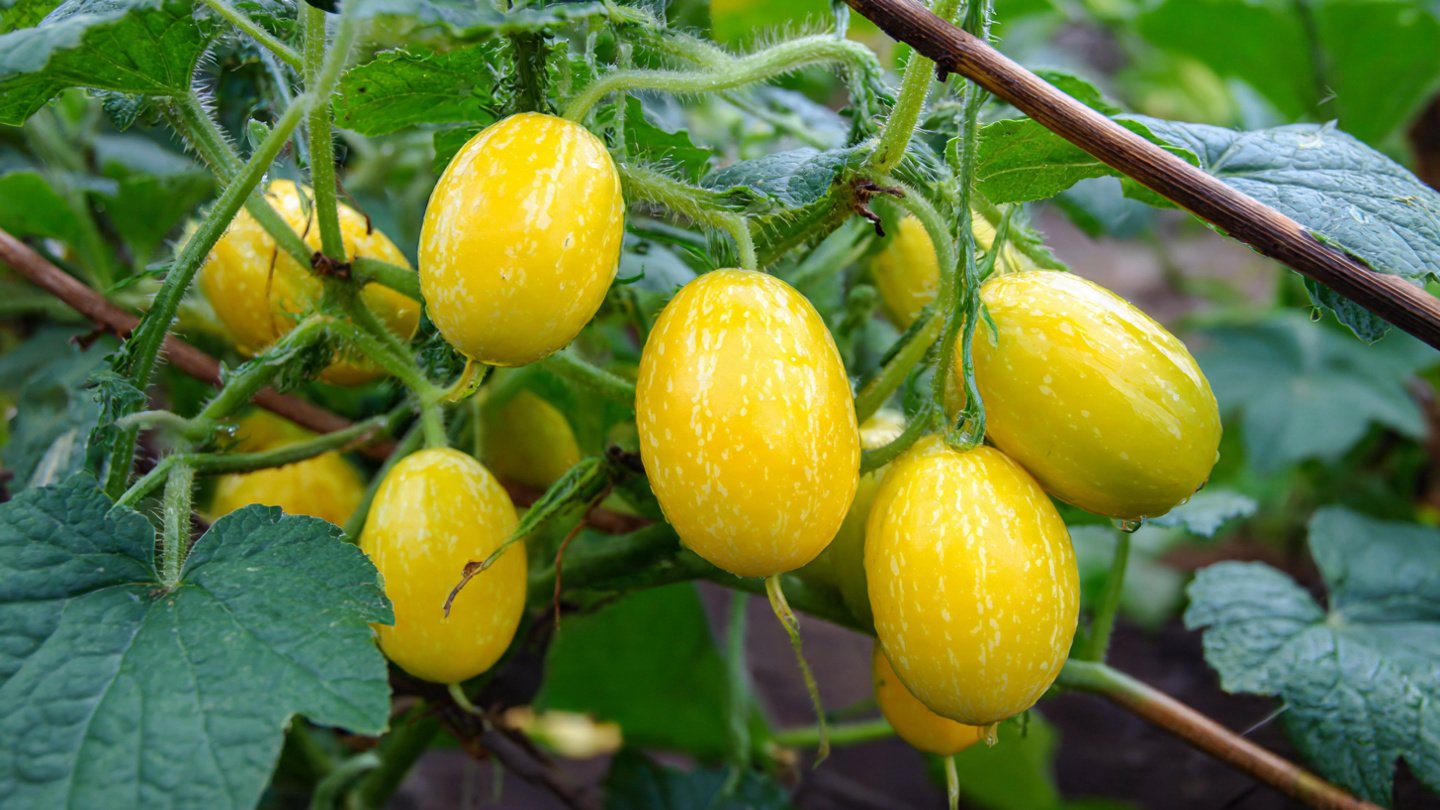
Cucumbers are a staple in home gardens, but for those looking to add a unique twist to their harvest, lemon cucumbers are a must-try. Named for their round, yellow appearance resembling small lemons, these cucumbers offer a crisp texture, mild flavor, and a fun aesthetic that stands out in salads, pickles, or as a fresh snack. Unlike regular cucumbers, lemon cucumbers are compact, prolific, and perfect for backyard gardens, even in smaller spaces.
Growing lemon cucumbers is easy when you understand their requirements, soil preferences, planting techniques, and care routines. This guide provides step-by-step instructions to help you cultivate healthy, high-yield lemon cucumber plants in your backyard.
Why Grow Lemon Cucumbers?
Lemon cucumbers are popular for several reasons:
- Unique Appearance: Their bright yellow, round fruits add a decorative touch to your garden and kitchen.
- Sweet, Mild Flavor: Less bitter than some cucumber varieties, they are ideal for fresh eating.
- Compact Growth: Bushy varieties are suitable for small gardens or container planting.
- Prolific Producers: Each plant produces numerous fruits throughout the season.
- Versatile Use: Excellent in salads, pickling, or as garnishes.
These features make lemon cucumbers a fun and rewarding crop for beginner and experienced gardeners alike.
Selecting the Right Variety
Choosing the right variety ensures successful growth and a high yield:
- Bush Varieties: Compact, ideal for smaller spaces or containers.
- Vining Varieties: Produce more fruit but require trellising or support.
- Heirloom Varieties: Traditional lemon cucumbers known for excellent flavor and natural disease resistance.
Some popular lemon cucumber varieties include “Lemon,” “Bush Lemon,” and “Sweet Lemon”. Choose based on your garden space, sunlight availability, and desired yield.
Preparing the Soil
Lemon cucumbers thrive in well-draining, fertile soil with plenty of organic matter:
- Soil Type: Loamy or sandy soil with good drainage. Avoid heavy clay soils that can retain water and cause root rot.
- pH Level: Slightly acidic to neutral (6.0–7.0).
- Soil Enrichment: Incorporate compost, well-rotted manure, or organic fertilizer before planting. This provides essential nutrients and improves soil structure.
- Sun Exposure: Full sun is ideal, but lemon cucumbers can tolerate partial shade for part of the day.
Tip: Raised beds are an excellent choice as they improve drainage and allow roots to expand freely.
Planting Lemon Cucumbers
Lemon cucumbers can be started from seeds or seedlings, and both methods have their advantages:
1. Planting Seeds
- Timing: Sow seeds in spring after the last frost, when soil temperature is around 70°F (21°C).
- Spacing: Plant seeds 1 inch deep, spaced 12–18 inches apart. For vining varieties, allow 3–4 feet between rows.
- Germination: Seeds germinate in 7–10 days with proper moisture and warmth.
2. Transplanting Seedlings
- Nursery Plants: Purchase healthy seedlings or start seeds indoors 3–4 weeks before the last frost.
- Hardening Off: Gradually expose seedlings to outdoor conditions for a week before transplanting.
- Spacing: Maintain the same spacing as direct-seeded plants.
Trellising: For vining varieties, install trellises, cages, or stakes to support vertical growth. This saves space, keeps fruits clean, and improves air circulation.
Watering Lemon Cucumbers
Watering is crucial for consistent growth and fruit quality:
- Young Plants: Water lightly and frequently to keep the soil evenly moist.
- Established Plants: Deep water 1–2 times per week, depending on weather conditions.
- Mulching: Apply organic mulch such as straw, leaves, or grass clippings to retain soil moisture and reduce weeds.
Tip: Avoid wetting the foliage to prevent fungal diseases like powdery mildew.
Fertilizing Lemon Cucumbers
Fertilization ensures vigorous growth and high yields:
- Initial Fertilizer: Mix a balanced fertilizer into the soil before planting.
- Ongoing Feeding: Apply a nitrogen-rich fertilizer once the plants establish, then switch to phosphorus and potassium-rich fertilizer during flowering and fruiting.
- Organic Options: Compost tea, fish emulsion, or seaweed extract boosts nutrients without harming the soil.
Regular feeding ensures healthy leaves, strong flowers, and abundant fruit production.
Pruning and Training
Pruning and proper training improve airflow, reduce disease, and make harvesting easier:
- Bush Varieties: Minimal pruning is needed. Remove damaged or diseased leaves.
- Vining Varieties: Train vines up trellises and remove lateral shoots that grow excessively to encourage vertical growth.
- Deadheading: Remove old or damaged flowers to redirect energy toward fruit development.
Proper pruning and support lead to healthier plants and more abundant fruit.
Pollination
Lemon cucumbers require pollination for fruit development:
- Natural Pollination: Bees and other pollinators transfer pollen from male to female flowers.
- Hand Pollination: In areas with few pollinators, use a small brush to transfer pollen from male to female flowers.
Successful pollination ensures well-formed, round, and juicy lemon cucumbers.
Controlling Pests and Diseases
Lemon cucumbers are generally hardy, but some common pests and diseases can affect them:
- Aphids: Small, soft-bodied insects that suck sap; control with neem oil or insecticidal soap.
- Cucumber Beetles: Eat leaves and transmit bacterial wilt; remove by hand or use row covers.
- Powdery Mildew: White, powdery spots on leaves; prevent by ensuring good airflow and avoiding overhead watering.
- Downy Mildew: Yellow patches under leaves; treat with fungicides and improve drainage.
Maintaining healthy soil, proper spacing, and consistent watering reduces the risk of infestations and disease.
Harvesting Lemon Cucumbers
Harvesting at the right time ensures maximum flavor and texture:
- Appearance: Fruits are round, yellow, and firm to the touch.
- Timing: Usually ready 50–60 days after sowing for bush varieties, slightly longer for vining types.
- Harvesting Method: Use a sharp knife or scissors to cut the fruit, leaving a small stem attached.
Tip: Regular harvesting encourages continuous fruit production throughout the season.
Tips for Maximizing Lemon Cucumber Yield
- Plant in Well-Drained Soil: Avoid soggy conditions to prevent root rot.
- Ensure Full Sun: At least 6–8 hours of sunlight daily improves flowering and fruit color.
- Use Mulch: Retains moisture, suppresses weeds, and keeps fruits clean.
- Fertilize Regularly: Support continuous growth and flower production.
- Support Vines: Trellising improves air circulation and prevents disease.
- Protect Young Plants: Use row covers during early growth or in areas prone to pests.
Following these tips helps gardeners achieve healthy plants and abundant harvests of bright, flavorful lemon cucumbers.
Benefits of Growing Lemon Cucumbers at Home
- Fresh and Healthy: Harvested at peak ripeness, free from chemicals.
- Unique Culinary Use: Adds visual appeal and mild flavor to dishes and salads.
- Compact Gardening: Suitable for backyard gardens, raised beds, and containers.
- Educational Experience: Fun for families and beginners to watch fruit develop from flower to harvest.
- Continuous Production: With proper care, plants can produce fruit for several weeks.
Homegrown lemon cucumbers are a fun, tasty, and visually striking addition to any garden or kitchen.
Conclusion
Lemon cucumbers are a delightful, easy-to-grow addition to backyard gardens. By selecting the right variety, preparing well-draining, fertile soil, ensuring adequate sunlight, watering consistently, and providing proper fertilization and support, gardeners can enjoy healthy, productive plants that yield round, yellow, flavorful fruits.
Whether planted in raised beds, garden rows, or containers, lemon cucumbers add beauty, nutrition, and uniqueness to your backyard. Careful pruning, proper pollination, and timely harvesting ensure abundant harvests throughout the season.
With these techniques, even beginner gardeners can successfully cultivate lemon cucumbers and enjoy the reward of fresh, sweet, and visually stunning fruits straight from their backyard