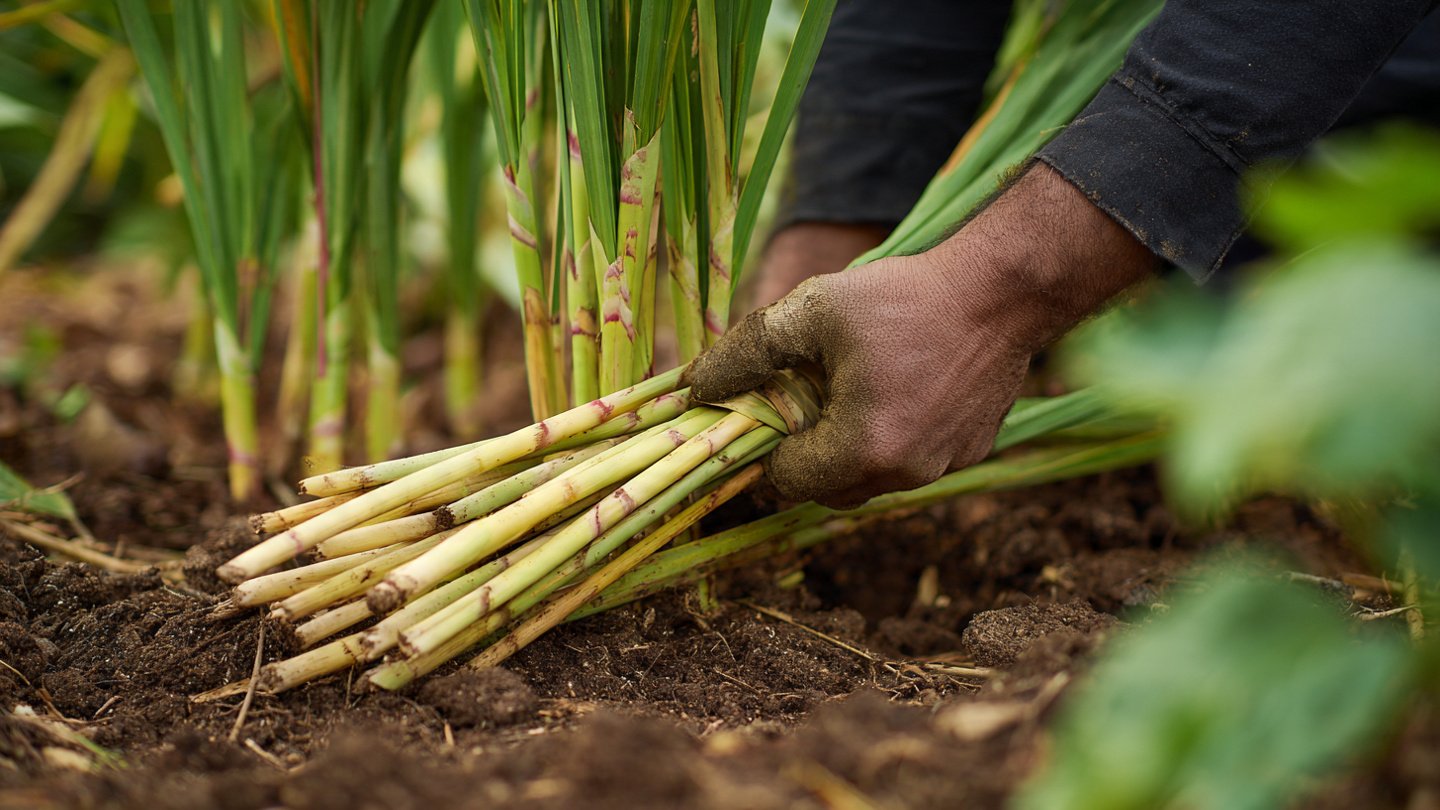
Lemongrass (Cymbopogon citratus) is a fragrant, versatile herb cherished for its culinary, medicinal, and aromatic properties. From enhancing teas, soups, and curries to serving as a natural mosquito repellent, lemongrass is a valuable addition to any home garden. One of the most rewarding aspects of growing lemongrass is that it can be easily multiplied, allowing gardeners to expand their herb collection or share plants with friends.
This guide explores simple and effective techniques to multiply lemongrass clumps, ensuring healthy growth, abundant harvests, and effortless propagation at home.
Why Multiply Lemongrass Clumps
There are several advantages to multiplying lemongrass from existing clumps:
- Cost-Effective: Once you have one healthy clump, you can propagate dozens more without buying additional plants.
- Rapid Expansion: Multiplying clumps allows you to fill larger pots, garden beds, or borders quickly.
- Continuous Supply: Expanding your lemongrass collection ensures a steady supply for cooking, teas, or medicinal uses.
- Healthy Plants: Propagated clumps from mature plants are vigorous and more resilient to pests and diseases.
- Space Flexibility: You can grow lemongrass in containers, grow bags, or directly in the ground, making it suitable for any space.
By learning simple propagation techniques, anyone can enjoy an endless supply of fragrant lemongrass.
Selecting the Right Lemongrass Clumps
Successful propagation begins with choosing healthy, mature lemongrass clumps:
- Age of Plant: Select clumps that are at least 6–12 months old. Mature clumps are robust and root easily.
- Healthy Foliage: Choose clumps with green, sturdy stalks and no signs of yellowing or disease.
- Root Development: Strong, well-established roots ensure a higher success rate when dividing clumps.
- Avoid Flowering Stalks: While flowering lemongrass can be propagated, young non-flowering clumps root more successfully.
Starting with healthy clumps guarantees faster establishment and better growth after propagation.
Simple Techniques to Multiply Lemongrass
There are two main techniques for multiplying lemongrass clumps: division and stalk propagation. Both methods are easy, cost-effective, and require minimal equipment.
Technique 1: Clump Division
Division is the most common and reliable method for multiplying lemongrass.
Step-by-Step Guide:
- Remove the Clump: Carefully lift the lemongrass clump from the soil using a garden fork or spade. Avoid damaging roots.
- Wash the Roots: Rinse the root ball gently under running water to remove excess soil. This makes it easier to see natural divisions.
- Separate the Stalks: Identify natural stalk groupings within the clump. Use your hands or a sharp knife to separate 2–3 stalks with roots attached.
- Trim Damaged Parts: Remove any brown or damaged leaves and roots. Healthy, intact roots encourage rapid establishment.
- Prepare New Pots or Soil Beds: Fill pots or garden beds with well-draining, nutrient-rich soil. Adding compost or organic manure boosts growth.
- Plant the Divisions: Place each divided stalk cluster into the soil, covering roots completely and firming the soil gently.
- Water Thoroughly: Water immediately after planting to settle the soil and reduce transplant shock.
- Provide Shade: For the first few days, keep newly planted clumps in partial shade to help them acclimate.
Benefits of Clump Division:
- Immediate start with mature plants.
- Higher survival rate compared to stem cuttings.
- Rapid growth and quicker harvest.
Technique 2: Stalk Propagation
Lemongrass can also be propagated using stalk cuttings, which is particularly convenient for kitchen gardeners.
Step-by-Step Guide:
- Select Healthy Stalks: Choose fresh, thick stalks with healthy green leaves. Avoid old or woody stems.
- Trim Leaves: Remove the upper leaves, leaving 2–3 inches of foliage at the top.
- Prepare the Stalk: Cut the stalk about 6–8 inches long, ensuring the bottom has at least 2 nodes (the area where roots will develop).
- Rooting in Water: Place the stalk in a glass or jar filled with clean water, submerging only the base.
- Sunlight Placement: Position in bright, indirect sunlight. Change water every 2–3 days to keep it fresh and oxygenated.
- Root Formation: Roots usually appear in 2–3 weeks. Once roots reach 2–3 inches in length, transplant the stalk into soil.
- Plant in Soil: Use well-draining, fertile soil in pots, grow bags, or garden beds. Water gently and maintain consistent moisture.
Benefits of Stalk Propagation:
- Minimal effort and quick results.
- Can be done year-round indoors or outdoors.
- Ideal for beginners or those with limited space.
Caring for Newly Propagated Lemongrass
Once your new lemongrass clumps or stalks are planted, proper care ensures healthy growth and maximum yield:
1. Light Requirements
- Lemongrass thrives in full sunlight, ideally 6–8 hours per day.
- If growing indoors, place near a south-facing window or use LED grow lights.
2. Watering
- Keep soil consistently moist but not waterlogged.
- Water deeply once or twice a week depending on weather and container size.
- Mulching around the base reduces evaporation and retains soil moisture.
3. Fertilization
- Feed with a balanced organic fertilizer every 4–6 weeks.
- Compost, vermicompost, or well-rotted manure enriches soil and promotes lush foliage.
- Nitrogen-rich fertilizers encourage vigorously growing leaves, essential for culinary use.
4. Pruning and Harvesting
- Harvest leaves regularly to promote bushy growth.
- Snip outer stalks at the base when they reach 12–18 inches tall.
- Avoid cutting more than ⅓ of the plant at a time to prevent stress.
Proper care ensures your propagated lemongrass grows into large, flavorful clumps ready for harvest within a few months.
Advantages of Multiplying Lemongrass
- Cost-Effective Expansion: Multiply one clump into dozens without additional investment.
- Space Management: Grow in containers, grow bags, or garden beds depending on available space.
- Continuous Harvest: Frequent propagation and harvesting ensure year-round supply.
- Resilient Plants: Propagated clumps adapt quickly and resist diseases better than seed-grown plants.
- Sharing and Gifting: Easily share new clumps with friends and family, spreading the benefits of homegrown herbs.
Tips for Maximizing Yield
- Succession Planting: Propagate new clumps every few months to maintain a continuous supply.
- Soil Enrichment: Add organic matter annually to maintain fertility and encourage healthy growth.
- Pest Management: Watch for aphids, spider mites, and fungal infections. Neem oil sprays or insecticidal soaps work well.
- Sunlight Optimization: Rotate containers or reposition clumps to ensure even light exposure.
- Container Rotation: For potted lemongrass, rotate pots periodically to prevent leaning and encourage upright growth.
With these simple steps, you can achieve abundant, aromatic lemongrass harvests in any season.
Culinary and Health Benefits of Homegrown Lemongrass
- Culinary Uses: Ideal for teas, soups, curries, sauces, marinades, and smoothies.
- Medicinal Benefits: Aids digestion, reduces inflammation, and relieves stress.
- Aromatic Uses: Fresh leaves can be used for homemade air fresheners or natural insect repellents.
- Versatility: Both leaves and stalks can be harvested and used fresh or dried for later use.
Homegrown lemongrass is fresher, more flavorful, and pesticide-free, making it superior to store-bought options.
Conclusion
Multiplying lemongrass clumps is a simple, cost-effective, and highly rewarding process. Whether using clump division or stalk propagation, gardeners of all skill levels can expand their herb collection effortlessly.
By selecting healthy parent plants, preparing cuttings carefully, providing optimal sunlight, water, and nutrients, and practicing regular pruning and harvesting, you can enjoy vigorous, aromatic lemongrass clumps year-round.
With minimal effort, this propagation method not only increases your yield but also allows you to create a sustainable, fragrant, and useful herb garden at home. Whether for culinary delight, medicinal use, or gifting purposes, multiplying lemongrass ensures a steady supply of fresh, aromatic stalks for all your needs.
Grow lemongrass once, multiply it endlessly, and enjoy the benefits of a thriving, fragrant herb garden right in your home or backyard.