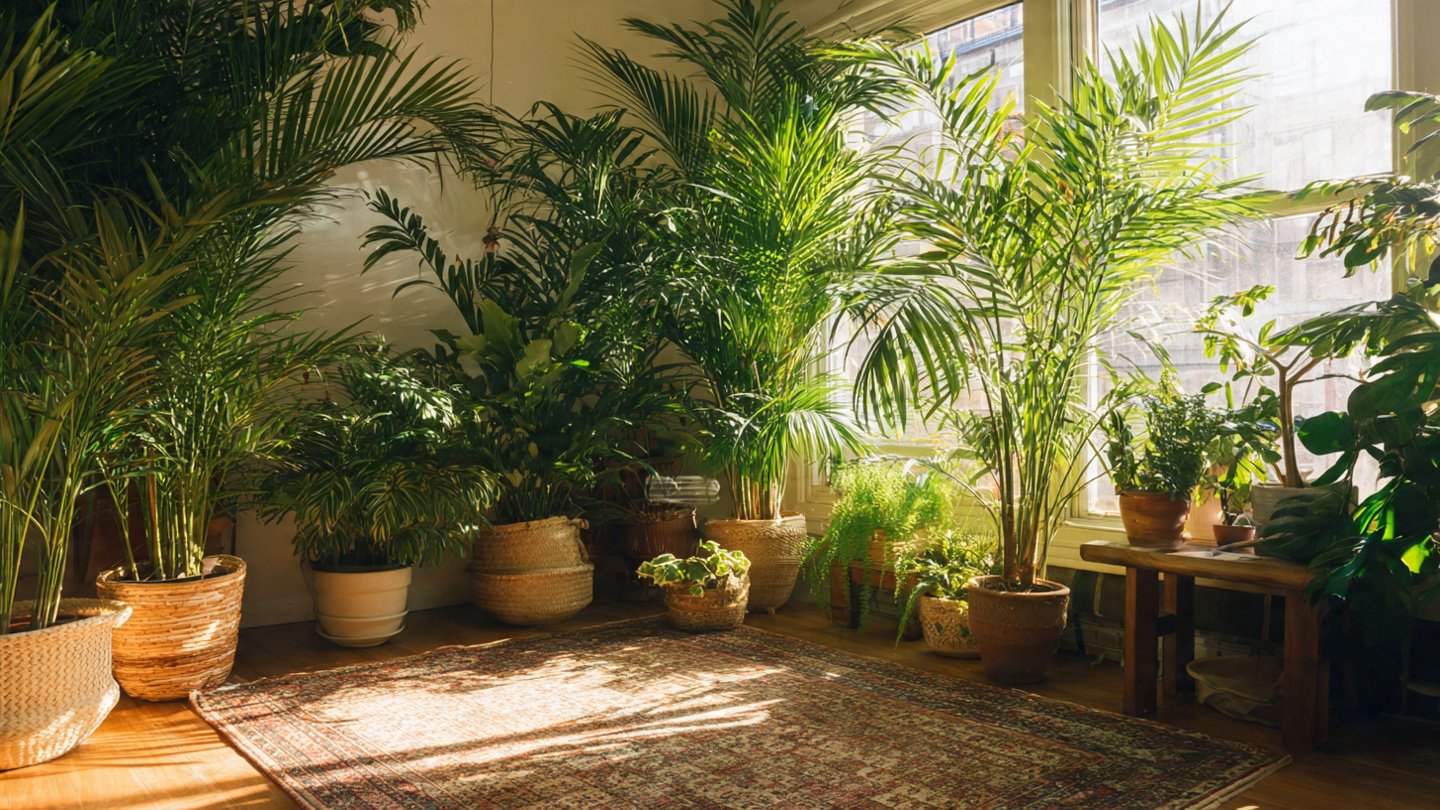
Palm plants are iconic for their lush, tropical appearance and ability to bring calm, natural elegance into homes, offices, and indoor spaces. Many gardeners assume that palms require bright sunlight to thrive, but several varieties can survive—and even flourish—in low light conditions. Successfully growing palms in low-light environments requires careful attention to plant selection, soil, watering, fertilization, and maintenance techniques. This guide explores the best methods for cultivating healthy palm plants even in areas with limited sunlight.
1. Understanding Low Light Conditions
Low light does not mean no light; it refers to areas with indirect, filtered, or limited sunlight:
- Examples of Low Light Locations: Interior corners of rooms, offices with small windows, shaded patios, and north-facing balconies.
- Light Measurement: A low-light environment typically receives less than 4 hours of indirect sunlight per day.
- Adapted Plants: Some palm species have evolved to survive under forest canopies, making them ideal for indoor low-light environments.
Understanding the specific light conditions in your space is the first step toward successful palm cultivation.
2. Choosing the Right Palm Varieties
Not all palms thrive in low light. Selecting the right species is essential:
- Parlor Palm (Chamaedorea elegans): Extremely popular for indoor low-light spaces; slow-growing and easy to maintain.
- Kentia Palm (Howea forsteriana): Tolerates indirect light and low humidity; ideal for homes and offices.
- Lady Palm (Rhapis excelsa): Compact, fan-shaped leaves, highly adaptable to shade.
- Bamboo Palm (Chamaedorea seifrizii): Thrives in indirect light and produces multiple stems.
- Sago Palm (Cycas revoluta): Survives in filtered light but requires care with watering.
Choosing shade-tolerant species ensures a higher success rate and reduces stress on the plant.
3. Selecting the Right Containers
Container choice is critical for indoor palms:
- Size: Choose containers large enough to accommodate roots but not oversized, as too much soil can hold excess water and cause root rot.
- Drainage: Ensure the container has drainage holes to prevent waterlogging.
- Material: Plastic pots retain moisture, ceramic retains moderate moisture, and terracotta allows airflow but dries faster.
- Mobility: Lightweight containers make it easier to move palms to areas with slightly better light or seasonal sunlight changes.
Proper container selection contributes to healthy root development and balanced growth.
4. Choosing the Right Soil
Palms require soil that balances moisture retention and drainage:
- Potting Mix: Use a well-draining potting mix, ideally designed for palms or tropical plants.
- Soil Amendments: Add perlite, coarse sand, or peat moss to improve aeration and water flow.
- pH Level: Slightly acidic to neutral soil (pH 6–7) supports nutrient absorption.
- Avoid Heavy Soils: Clay or compacted soil can suffocate roots and lead to fungal issues.
A good soil foundation is crucial for low-light palm plants, as they are more sensitive to overwatering and poor drainage than outdoor palms.
5. Watering Techniques for Low Light
Overwatering is the most common mistake for indoor palms:
- Frequency: Water only when the top 1–2 inches of soil feel dry. Low-light conditions slow evaporation, so palms require less frequent watering.
- Method: Water thoroughly, allowing excess to drain from the bottom. Avoid letting roots sit in water.
- Humidity Support: Low light often coincides with low humidity. Mist leaves occasionally or place a tray of water with pebbles near the pot to improve air moisture.
- Signs of Overwatering: Yellowing leaves, mushy stems, or root rot indicate excess moisture.
Correct watering practices ensure healthy roots and vibrant foliage.
6. Fertilizing Palm Plants in Low Light
Fertilization supports growth but must be adjusted for low-light conditions:
- Balanced Fertilizer: Use a slow-release fertilizer specifically for palms or indoor plants.
- Frequency: Fertilize every 6–8 weeks during the growing season; reduce feeding in winter when growth slows.
- Avoid Over-Fertilization: Excess nutrients can harm roots, especially in low-light conditions where the plant grows more slowly.
- Micronutrients: Ensure fertilizers include magnesium, manganese, and potassium to prevent yellowing or browning of leaves.
Moderate feeding keeps your palm lush without encouraging excessive growth that low light cannot support.
7. Placement and Light Optimization
Even shade-tolerant palms benefit from some light optimization:
- Indirect Sunlight: Place near windows where bright, filtered light is available. Avoid direct sunlight, which can scorch leaves.
- Rotating Plants: Turn palms every few weeks to ensure even growth and prevent leaning toward light.
- Supplemental Light: In extremely dark rooms, consider using full-spectrum grow lights for 6–8 hours a day.
- Avoid Drafts: Keep palms away from cold drafts, heaters, or air conditioners that stress the plant.
Proper placement ensures healthy foliage, strong stems, and continued growth.
8. Pruning and Leaf Maintenance
Pruning helps palms thrive and maintain a tidy appearance in low light:
- Dead or Yellow Leaves: Trim leaves at the base to prevent fungal spread and maintain aesthetics.
- Avoid Excessive Pruning: Do not remove healthy green fronds; they contribute to photosynthesis, especially in low light.
- Cleaning: Wipe leaves with a damp cloth to remove dust, allowing better light absorption.
Regular pruning promotes healthier, more attractive palms.
9. Controlling Pests and Diseases
Indoor palms in low light can still encounter pest problems:
- Common Pests: Spider mites, mealybugs, and scale insects thrive in indoor environments.
- Preventive Care: Inspect leaves regularly; use insecticidal soap or neem oil if pests appear.
- Disease Prevention: Avoid overwatering and ensure good airflow to prevent root rot and fungal infections.
- Isolation: Quarantine new plants before introducing them to existing collections to avoid infestations.
Healthy plants are more resilient to pests and environmental stress.
10. Encouraging Healthy Growth in Low Light
Even in low light, palms can thrive with proper care:
- Slow Growth Acceptance: Understand that low-light palms grow slower than those in full sun. Patience is essential.
- Maintain Clean Soil Surface: Avoid debris accumulation, which can harbor pests and reduce airflow.
- Regular Inspection: Look for discoloration, drooping, or stunted growth and adjust care routines as needed.
- Support for Tall Stems: Some varieties may need stakes or support as they grow slowly in height.
Consistent care ensures longevity and continued foliage beauty.
11. Benefits of Growing Palms in Low Light
- Aesthetic Appeal: Adds tropical charm to indoor spaces without bright sunlight.
- Air Purification: Many palm species filter indoor air and improve air quality.
- Low Maintenance: Shade-tolerant palms require minimal watering and fertilization compared to sun-loving plants.
- Space Flexibility: Thrives in corners, offices, or areas unsuitable for high-light plants.
- Stress Reduction: Greenery contributes to a calming, natural environment indoors.
Indoor palms combine visual appeal, air benefits, and low maintenance, making them ideal for low-light conditions.
12. Common Mistakes to Avoid
- Overwatering: The most common error, leading to root rot.
- Insufficient Light: Even shade-tolerant palms need some light; complete darkness is unsuitable.
- Excessive Fertilization: Overfeeding can burn roots and damage leaves.
- Neglecting Humidity: Dry indoor air can cause leaf tips to brown.
- Ignoring Pruning: Dead or yellow leaves left untrimmed can reduce plant health.
Avoiding these mistakes ensures healthy, thriving palms in low-light conditions.
Conclusion
Successfully growing palm plants in low-light conditions is achievable with thoughtful plant selection, proper care, and attention to environmental needs. By choosing shade-tolerant species like Parlor Palm, Kentia Palm, or Lady Palm, gardeners can create a tropical oasis indoors without bright sunlight.
Key strategies include:
- Using well-draining soil and appropriately sized containers.
- Watering carefully to avoid root rot while maintaining sufficient moisture.
- Fertilizing moderately and providing essential micronutrients.
- Optimizing placement, occasionally supplementing with grow lights if needed.
- Pruning dead fronds and monitoring for pests to maintain plant health.
With patience, observation, and consistent care, indoor palm plants can thrive in low-light environments, providing lush foliage, aesthetic appeal, and a touch of nature to your home or office. Whether in corners, hallways, or shaded patios, palms can be a symbol of tranquility, elegance, and tropical charm even where sunlight is limited.