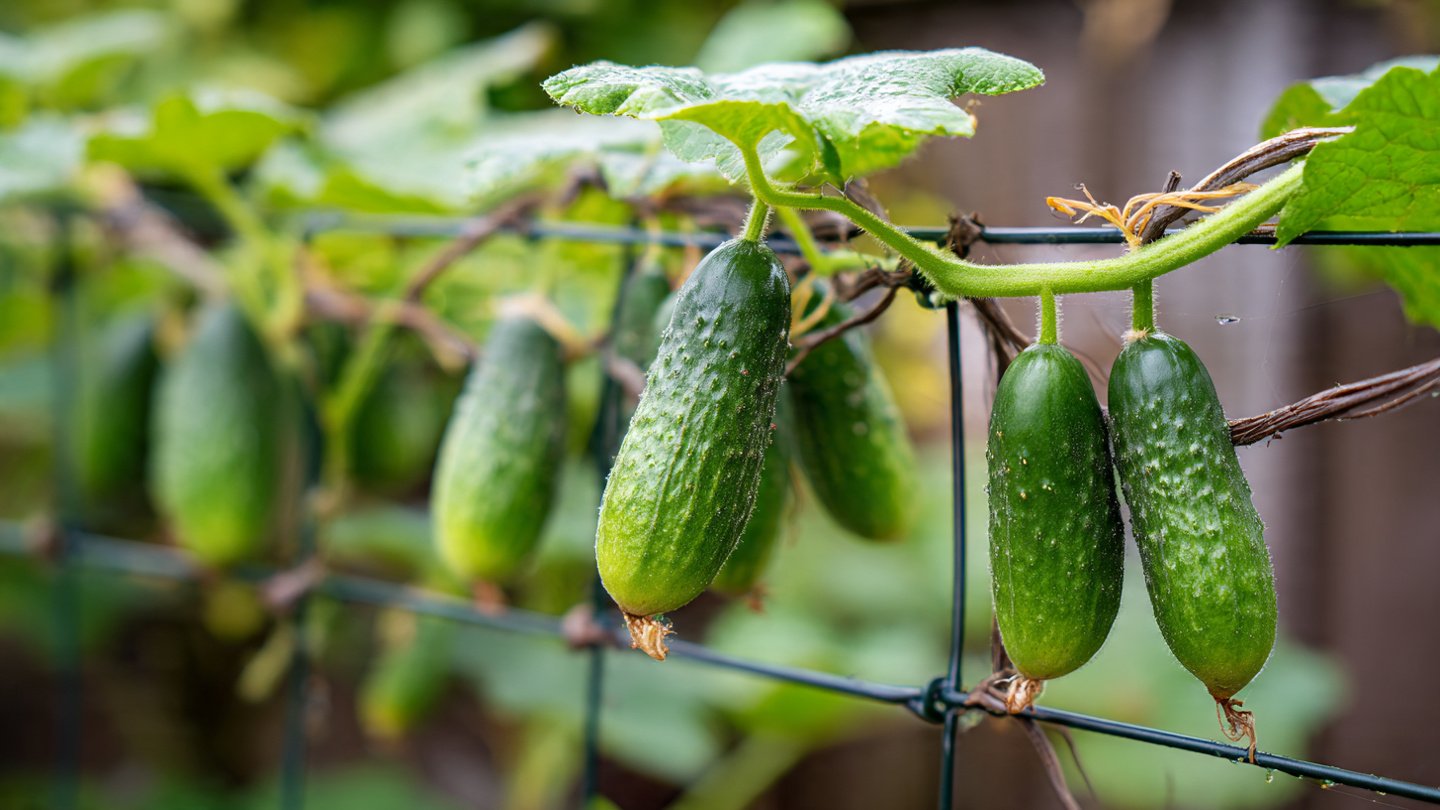
Cucumbers are one of the most rewarding vegetables to grow, offering crisp, refreshing fruits during the growing season. While cucumbers can sprawl across the ground, training them vertically on a net or trellis not only saves space but also improves air circulation, reduces disease, and increases fruit yield. With proper techniques, you can turn your cucumber vines into a productive vertical garden that produces high-quality fruits consistently. This guide outlines effective methods for training cucumber vines on a net for maximum yield.
Why Train Cucumber Vines Vertically?
Growing cucumbers on the ground has limitations. Vertical training offers several benefits:
- Space-saving: Ideal for small gardens, balconies, and container setups.
- Healthier plants: Better air circulation reduces the risk of powdery mildew and other fungal diseases.
- Cleaner fruits: Cucumbers remain off the soil, preventing rot, pests, and dirt accumulation.
- Higher yield: Vines trained vertically focus energy on fruit production instead of sprawling leaves.
- Ease of harvest: Fruits hang within reach, reducing bending and strain during harvesting.
With these advantages, vertical cucumber growing has become a popular technique among home gardeners and commercial growers alike.
Choosing the Right Cucumber Variety
Before setting up a net, selecting the right cucumber variety is crucial:
- Vining types: These are ideal for vertical growth as they naturally climb and produce longer vines.
- Parthenocarpic varieties: These varieties set fruit without pollination, reducing dependence on bees and improving consistency.
- Disease-resistant varieties: Look for resistance to powdery mildew and mosaic virus to reduce maintenance.
Popular climbing cucumber varieties include ‘Marketmore,’ ‘Poinsett,’ ‘Lemon cucumber,’ and ‘Japanese cucumber.’
Setting Up the Net
A sturdy and correctly positioned net is essential for training cucumber vines effectively:
1. Choosing the Net Material
- Use nylon, polyethylene, or jute nets designed for garden use.
- Ensure the net has small enough holes (3–4 inches) to support vines and fruits.
- Avoid weak nets that may sag under the weight of mature cucumbers.
2. Positioning the Net
- Place the net vertically or at a slight angle for optimal support.
- Attach the net to strong poles, trellises, or fences.
- Ensure the structure is stable to withstand wind and the weight of growing vines.
3. Height Consideration
- Standard height: 5–6 feet for most cucumber varieties.
- Taller nets allow longer vines to grow, supporting more flowers and fruits.
A well-set net ensures that cucumber vines grow upward efficiently, reducing disease and improving yield.
Planting Cucumbers for Vertical Growth
Correct planting sets the foundation for effective vertical training:
1. Soil Preparation
- Cucumbers prefer loamy, well-draining soil with a pH of 6.0–7.0.
- Incorporate compost or aged manure to improve fertility and moisture retention.
- Avoid waterlogged areas, which can cause root rot.
2. Spacing
- Plant cucumbers 12–18 inches apart for vigorous growth.
- Proper spacing prevents overcrowding and allows better airflow, reducing disease risk.
3. Watering
- Water consistently, keeping the soil evenly moist.
- Avoid wetting leaves excessively to prevent fungal infections.
Techniques for Training Vines on the Net
Training cucumber vines requires gentle guidance to encourage vertical growth and maximize fruiting.
1. Initial Guidance
- When vines are 6–12 inches long, gently loop or weave them through the net.
- Avoid tying too tightly; use soft garden twine or clips to prevent stem damage.
2. Twisting Technique
- Allow vines to naturally wrap around net strands or guide them in a spiral motion around the support.
- This helps the plant climb without restricting growth.
3. Supporting Heavy Fruits
- As cucumbers grow, the weight may cause vines to sag.
- Use soft ties, cloth strips, or net pockets to cradle heavier fruits.
- Avoid plastic or wire ties that can cut into stems.
4. Regular Training
- Check vines weekly and adjust their direction along the net.
- Remove side shoots that compete with main vines to focus energy on fruit production.
Consistent training ensures cucumbers climb efficiently, receive adequate sunlight, and produce cleaner, higher-quality fruits.
Fertilization for Maximum Yield
Proper nutrition is essential for healthy cucumber vines and abundant fruit:
- Balanced fertilizers: Use NPK (Nitrogen-Phosphorus-Potassium) fertilizers to support both foliage and fruit development.
- High potassium: Encourages flowering and fruiting.
- Frequency: Apply a liquid feed every 2–3 weeks during the growing season.
- Organic options: Compost tea, fish emulsion, or well-rotted manure provide gentle, long-lasting nutrients.
Well-fed cucumber plants grow vigorously and produce larger fruits, maximizing the net’s vertical potential.
Pruning for Health and Productivity
Pruning cucumber vines improves yield and prevents disease:
- Remove damaged or yellowing leaves to improve airflow.
- Pinch lateral shoots after the first few leaves to encourage strong main vines.
- Stop excessive flowering if vines become overcrowded; focus on fruit development.
Pruning ensures that the plant’s energy is directed toward healthy fruit production rather than excessive foliage.
Pest and Disease Management
Even on a net, cucumber vines are vulnerable to pests and diseases:
- Aphids: Spray with insecticidal soap or neem oil.
- Cucumber beetles: Handpick or use row covers for young plants.
- Powdery mildew: Provide good airflow, water early in the day, and apply fungicides if needed.
- Downy mildew: Plant resistant varieties and avoid overhead watering.
Preventative care ensures continuous fruiting and healthy foliage.
Harvesting Techniques
Proper harvesting encourages more flowers and prolonged production:
- Harvest cucumbers when they reach desired size but before they overmature.
- Use sharp scissors or pruners to cut fruits, leaving a small stem attached.
- Regular harvesting prevents cucumbers from becoming too large and encourages new fruit set.
Frequent picking ensures maximum yield per vine and a steady supply of fresh cucumbers.
Additional Tips for Maximizing Yield
- Rotate crops annually: Prevent soil-borne diseases by avoiding planting cucumbers in the same spot each year.
- Mulch around base: Retains moisture, suppresses weeds, and keeps fruits cleaner.
- Companion planting: Plant basil, marigold, or nasturtium nearby to deter pests naturally.
- Monitor vine health: Remove weak or diseased shoots promptly.
- Supplemental lighting: If growing in low-light areas or greenhouses, provide 8–10 hours of light for optimal growth.
Following these tips ensures strong, healthy vines and maximum fruit production.
Conclusion
Training cucumber vines on a net is a highly effective method for maximizing yield while saving space and improving plant health. By implementing these techniques—choosing the right variety, providing proper support, guiding vines, fertilizing adequately, pruning, and managing pests—you can enjoy a bountiful harvest of fresh, high-quality cucumbers throughout the season.
Key takeaways:
- Choose climbing or vining cucumber varieties for vertical growth.
- Set up a sturdy net and guide vines gently to climb.
- Use nutrient-rich, well-draining soil and maintain consistent moisture.
- Fertilize regularly and prune to focus energy on fruiting.
- Monitor for pests and diseases and treat promptly.
- Harvest frequently to encourage continuous production.
- Apply additional techniques like mulching and companion planting for optimal results.
With careful attention and consistent training, vertical cucumber gardening transforms limited spaces into highly productive gardens, providing fresh, crisp cucumbers right at your fingertips.