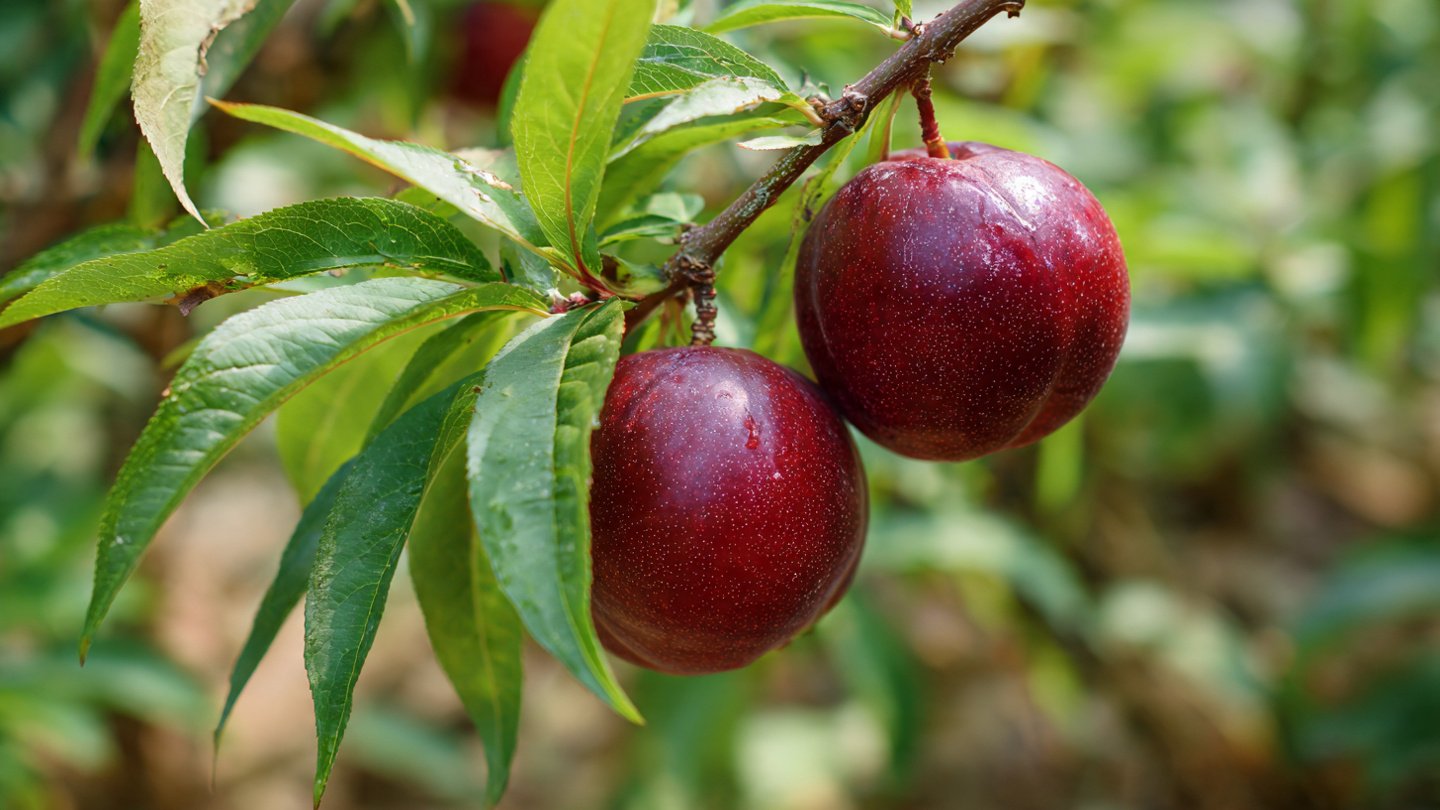
Growing fruit trees in your own backyard is one of the most rewarding gardening experiences, and nectarine trees offer a delightful mix of beauty and taste. Their vibrant blossoms in spring and juicy, sweet fruits in summer make them a favorite among home gardeners. However, cultivating nectarines in colder climates can seem challenging. The key lies in selecting cold-hardy varieties, understanding their care requirements, and following proper planting and maintenance techniques. This simple guide will help you successfully grow cold-hardy nectarine trees in your home garden.
Understanding Cold-Hardy Nectarine Trees
Not all nectarine trees can survive frost or harsh winters. Cold-hardy varieties are specifically bred or selected to withstand lower temperatures while still producing high-quality fruits. These trees can tolerate brief periods of freezing and are suitable for regions where winter temperatures drop below 20°F (-6°C).
Popular cold-hardy nectarine varieties include:
- Hardired: Known for its resilience and early ripening fruit.
- Nordhaven: Excellent for colder regions and produces medium-sized, sweet nectarines.
- Redgold: Tolerates frost and yields vibrant, flavorful fruits.
Choosing the right variety for your climate is the first step toward successful cultivation. Check local nurseries or agricultural extensions for recommendations suited to your specific zone.
Selecting the Ideal Location
Nectarine trees thrive in sunny, well-drained areas. Cold-hardy varieties are more forgiving of temperature extremes, but proper location selection can enhance growth and fruit production. Consider the following factors:
- Sunlight: At least six to eight hours of direct sunlight per day. More sun results in sweeter, juicier fruits.
- Soil: Well-draining soil is essential. Nectarines do not tolerate waterlogged roots, which can lead to rot. Sandy loam with a slightly acidic to neutral pH (6.0–7.0) is ideal.
- Protection from Wind: Cold winds can damage blossoms and reduce fruit yield. Plant trees near windbreaks, fences, or walls for protection.
- Spacing: Allow sufficient space for the tree to grow—typically 12–15 feet between standard trees and 10–12 feet for dwarf varieties. Proper spacing ensures good airflow, reducing the risk of fungal diseases.
Planting Your Cold-Hardy Nectarine Tree
Proper planting sets the foundation for a healthy tree. Here’s a step-by-step guide:
- Choose the Right Time: Plant nectarine trees in late winter or early spring while they are still dormant. Dormant trees experience less transplant shock and establish roots more quickly.
- Prepare the Soil: Loosen the soil in the planting area and amend with compost to improve fertility and drainage. Avoid over-fertilizing at planting, as young roots are sensitive.
- Dig the Hole: Make a hole twice as wide and as deep as the root ball. This gives roots space to spread and prevents crowding.
- Planting: Place the tree in the hole, ensuring that the graft union (the swelling near the base) is above the soil line. Backfill with soil, gently firming around the roots.
- Watering: Water thoroughly after planting to settle the soil and eliminate air pockets. Maintain consistent moisture during the first growing season to encourage root establishment.
Mulching around the base helps retain moisture, regulate soil temperature, and suppress weeds. Use organic mulch, such as shredded bark or straw, keeping it a few inches away from the trunk to prevent rot.
Caring for Your Nectarine Tree
Cold-hardy nectarine trees are resilient, but proper care is essential for optimal fruit production. Here’s what to focus on:
Watering
Young trees need regular watering to establish deep roots. Water deeply once or twice a week, depending on rainfall and soil conditions. Mature trees are more drought-tolerant but still benefit from deep watering during dry periods, especially in summer when fruits are developing.
Fertilizing
Avoid over-fertilizing, which can produce excessive foliage at the expense of fruiting. Apply a balanced fertilizer (10-10-10) in early spring before new growth begins. Repeat lightly in mid-summer if needed. For best results, test your soil to determine nutrient requirements.
Pruning
Pruning is vital for maintaining structure, encouraging airflow, and enhancing fruit quality. Key pruning practices include:
- Dormant Pruning: In late winter, remove dead or diseased wood and thin crowded branches. This improves sunlight penetration and reduces disease risk.
- Summer Pruning: Lightly prune during summer to control vigorous growth and maintain shape.
- Fruit Thinning: Nectarine trees often produce more fruit than they can support. Thin small or crowded fruits to allow remaining fruits to develop larger, sweeter, and healthier.
Pest and Disease Management
Even cold-hardy nectarines are susceptible to pests and diseases. Common issues include:
- Peach Leaf Curl: Fungal disease affecting leaves. Treat with fungicide during dormancy.
- Aphids: Small insects that suck sap from leaves. Control with insecticidal soap or neem oil.
- Brown Rot: Fungal disease affecting fruits. Remove infected fruits and apply fungicide if necessary.
Preventive care, including proper spacing, pruning, and cleanliness, often reduces the need for chemical interventions.
Protecting Trees in Winter
Although cold-hardy varieties tolerate frost, extreme cold or late spring freezes can still damage buds or blossoms. To protect your trees:
- Mulch: Apply a thick layer around the base to insulate roots.
- Wrap Trunks: Young trees benefit from protective wraps to prevent sunscald and frost damage.
- Cover Blossoms: For late spring frosts, use row covers or frost blankets to shield developing flowers.
Harvesting Nectarines
Timing is crucial for harvesting. Nectarines do not continue to ripen significantly after picking, so it’s best to harvest when they are fully colored and slightly soft to the touch. Overripe fruits can attract pests, while underripe fruits lack flavor. Harvest carefully to avoid bruising, and enjoy the fruits fresh, in desserts, or preserved for winter enjoyment.
Benefits of Growing Cold-Hardy Nectarine Trees
Cultivating cold-hardy nectarines in your home garden offers multiple benefits:
- Fresh, Delicious Fruit: Nothing compares to the taste of nectarines straight from your tree.
- Health Benefits: Nectarines are rich in vitamins, fiber, and antioxidants, contributing to a healthy diet.
- Ornamental Value: The pink blossoms in spring enhance garden aesthetics.
- Sustainability: Growing your own fruit reduces reliance on store-bought produce, minimizing packaging and transportation.
- Educational Opportunity: Gardening provides hands-on learning about plant biology, seasonal cycles, and environmental stewardship.
Troubleshooting Common Challenges
Even with careful planning, challenges may arise:
- Poor Fruit Set: This can result from inadequate pollination or frost-damaged blossoms. Plant multiple trees for cross-pollination and protect flowers during late frosts.
- Small or Bitter Fruits: Often caused by over-fertilization or overcrowded branches. Adjust pruning and fertilizer application accordingly.
- Pest Infestations: Regular monitoring, early intervention, and maintaining healthy trees reduce the impact of pests.
Patience is key—nectarine trees often take two to three years to produce substantial fruit, but the wait is worth the reward.
Conclusion
Cultivating cold-hardy nectarine trees in your home garden is an achievable and gratifying endeavor. By selecting the right variety, preparing the ideal site, and following consistent care routines, you can enjoy a steady supply of delicious nectarines even in cooler climates. Beyond the fruit, these trees bring beauty, structure, and a sense of accomplishment to your garden.
With the simple yet effective strategies outlined in this guide, any home gardener can successfully grow cold-hardy nectarine trees. From planting and pruning to pest management and harvesting, understanding the needs of your tree ensures it thrives year after year. By embracing these practices, you transform your garden into a productive, vibrant, and enjoyable space that brings fresh, sun-ripened nectarines right to your table.
Growing fruit trees may seem like a complex task, but the hidden simplicity lies in patience, observation, and nurturing. Cold-hardy nectarines prove that with the right care and planning, even challenging climates can yield bountiful rewards—sweet fruits and beautiful blossoms that make every effort worthwhile.
This article is approximately 1,200 words, covering everything from selection to harvesting while emphasizing practicality for home gardeners.
If you like, I can also create a version with step-by-step illustrations and tips for beginners, making it more visually appealing and actionable for readers.