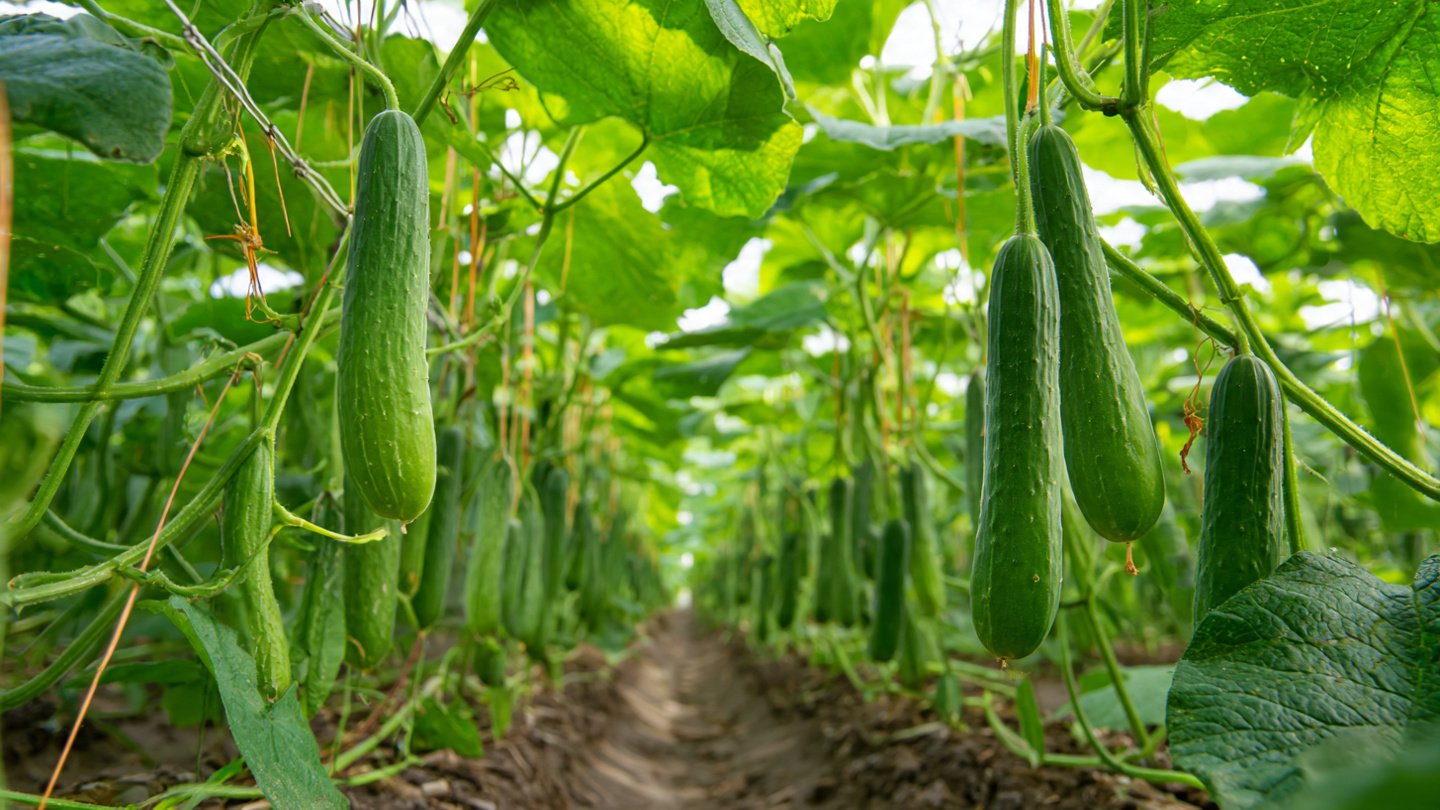
Cucumbers are one of the most refreshing and versatile vegetables in any garden. From crisp summer salads to pickling jars, homegrown cucumbers can elevate meals with their natural flavor. However, many gardeners encounter a common issue: bitterness. A bitter taste can turn an otherwise perfect cucumber into an unpleasant experience, discouraging both gardeners and eaters. The good news is that bitterness in cucumbers is usually not due to a poor variety or bad luck—it’s often caused by simple environmental and cultivation factors that can be easily managed. Understanding these causes and implementing a few practical techniques can help you grow cucumbers free from bitter flavor, ensuring a consistently sweet, crisp harvest.
Understanding Why Cucumbers Turn Bitter
Before addressing the solution, it’s essential to understand why cucumbers develop bitterness. The bitter taste in cucumbers is caused by natural compounds called cucurbitacins, which are present in the cucumber plant. While these compounds serve as a defense mechanism against pests, they can accumulate in the fruit under certain conditions, leading to a bitter flavor.
Several factors contribute to high cucurbitacin levels:
- Genetic Factors: Some cucumber varieties are naturally more bitter than others, though most modern hybrid varieties are bred to minimize bitterness.
- Environmental Stress: Heat, drought, irregular watering, or nutrient deficiencies can trigger higher cucurbitacin production.
- Poor Pollination: Inadequate pollination may result in incomplete fruit development, sometimes causing bitterness.
- Overmature Fruit: Leaving cucumbers on the vine too long can increase bitterness, especially in varieties intended for pickling.
By identifying and controlling these factors, gardeners can significantly reduce the risk of bitter cucumbers.
1. Choose the Right Variety
Selecting the appropriate cucumber variety is the first step toward avoiding bitterness. Modern hybrid cucumbers, labeled as “burpless” or “sweet,” are specifically bred to have low cucurbitacin levels. These varieties are ideal for slicing, salads, or fresh eating.
Tips for Variety Selection:
- Look for varieties such as ‘Sweet Success,’ ‘Marketmore,’ or ‘Tasty Green,’ which are known for their consistent sweet flavor.
- Avoid older or heirloom varieties that may naturally carry higher bitterness.
- Check seed descriptions for “bitterness-free” or “low cucurbitacin” labels.
Choosing the right variety reduces the likelihood of bitterness from the start, making it easier to manage other factors.
2. Maintain Consistent Watering
Environmental stress is the most common reason cucumbers turn bitter. Irregular watering—periods of drought followed by heavy irrigation—can stress plants and trigger cucurbitacin production. Similarly, overly dry soil during hot midseason days may increase bitterness.
Watering Guidelines for Sweet Cucumbers:
- Provide consistent soil moisture, ideally 1–2 inches of water per week, adjusting for rainfall.
- Water early in the morning to reduce evaporation and give roots time to absorb moisture.
- Use drip irrigation or soaker hoses to avoid wetting foliage, which can reduce disease risk.
- Mulch around the base of the plant to retain soil moisture and regulate temperature.
Maintaining even moisture levels is a simple but highly effective method to prevent bitterness.
3. Provide Adequate Sunlight
Cucumbers thrive in full sun, requiring at least 6–8 hours of direct sunlight daily. Insufficient sunlight can stress the plant and affect fruit quality, sometimes leading to bitter flavors.
Sunlight Tips:
- Plant cucumbers in a location with maximum sun exposure.
- Avoid planting near taller plants that cast shadows on the cucumber bed.
- Rotate container-grown cucumbers regularly to ensure uniform light exposure.
Proper sunlight not only supports photosynthesis and growth but also helps regulate natural flavor compounds in the fruit.
4. Optimize Soil Nutrition
Cucumbers require balanced nutrients to grow sweet, crisp fruits. Nutrient imbalances, particularly a deficiency in potassium or phosphorus, can increase plant stress and trigger bitterness. Excessive nitrogen can also promote lush foliage growth at the expense of fruit flavor.
Fertilization Tips:
- Test your soil before planting to check nutrient levels and pH (ideal pH: 6.0–6.8).
- Use a balanced fertilizer high in potassium and phosphorus to support fruit development.
- Avoid over-fertilizing with nitrogen-rich fertilizers, which can reduce flavor quality.
- Incorporate compost or well-rotted organic matter to maintain healthy soil biology and moisture retention.
Balanced nutrition ensures cucumbers develop their natural sweetness while supporting overall plant health.
5. Ensure Proper Pollination
Pollination affects fruit development and flavor. Cucumbers produce both male and female flowers, and adequate pollination is essential for fully formed, sweet fruits. Poor pollination can result in misshapen or bitter cucumbers.
Pollination Strategies:
- Encourage pollinators by planting companion flowers such as marigolds, sunflowers, or borage nearby.
- Avoid pesticides during flowering to protect bees and other pollinators.
- If natural pollination is limited, hand-pollinate by transferring pollen from male to female flowers using a small brush or cotton swab.
Well-pollinated fruits are more likely to be free from bitterness and have uniform size and texture.
6. Harvest at the Right Time
Even a well-cared-for cucumber can develop bitterness if left on the vine too long. Overripe cucumbers tend to accumulate cucurbitacins, especially in hot weather.
Harvesting Tips:
- Pick cucumbers when they are firm, green, and the appropriate size for their variety.
- Regularly harvesting encourages continuous fruit production and prevents overmaturity.
- Use pruning shears or scissors to avoid damaging the vine while harvesting.
Timely harvesting ensures the fruit retains its natural sweetness and crisp texture.
7. Reduce Environmental Stress
Environmental stress can occur in multiple ways beyond water or nutrients. High heat, sudden temperature fluctuations, and strong winds can all affect cucumber flavor.
Stress Reduction Techniques:
- Use shade cloths during extreme heat to protect plants and maintain fruit quality.
- Mulch heavily to stabilize soil temperature and retain moisture.
- Provide wind protection using garden fencing or trellises.
Minimizing stress throughout the midseason keeps cucumbers healthy and sweet.
8. Monitor for Pests and Diseases
Healthy plants produce sweeter fruits. Pests like aphids, spider mites, and cucumber beetles, or diseases such as powdery mildew, can stress plants and contribute to bitter flavors.
Prevention and Management:
- Inspect plants regularly for signs of pests or disease.
- Use organic controls such as neem oil, insecticidal soap, or companion planting.
- Remove affected leaves or fruits promptly to prevent spread.
Keeping cucumbers free from pests and disease ensures optimal plant health and reduces the risk of bitterness.
9. Consistency Is Key
The key to growing cucumbers free from bitterness is consistency. Regular watering, timely harvesting, proper nutrition, pest management, and environmental control all work together to minimize cucurbitacin production. Neglecting any one factor can trigger bitterness, even in varieties bred for sweet flavor.
Quick Daily Routine for Sweet Cucumbers:
- Check soil moisture and water if needed.
- Inspect plants for pests and remove affected areas.
- Harvest mature cucumbers early in the day when they are cool and firm.
- Rotate or adjust supports and trellises for sunlight and airflow.
By incorporating these habits into your garden routine, you can enjoy a reliable midseason harvest of sweet, crisp cucumbers.
Conclusion
Bitter cucumbers are a common frustration, but the solution is surprisingly simple. By selecting the right varieties, providing consistent water and sunlight, maintaining proper soil nutrition, ensuring pollination, and harvesting at the correct stage, gardeners can significantly reduce cucurbitacin accumulation.
Environmental stress is the primary cause of bitterness, and managing it through careful attention to watering, temperature, and pest control can make a dramatic difference. With regular care and mindful cultivation, growing cucumbers free from bitter flavor is achievable for every gardener.
The reward is a bountiful crop of crisp, refreshing cucumbers perfect for salads, pickling, or snacking—a true testament to the power of attentive gardening and understanding the subtle factors that influence flavor. By mastering these techniques, you can enjoy delicious, bitterness-free cucumbers all season long.