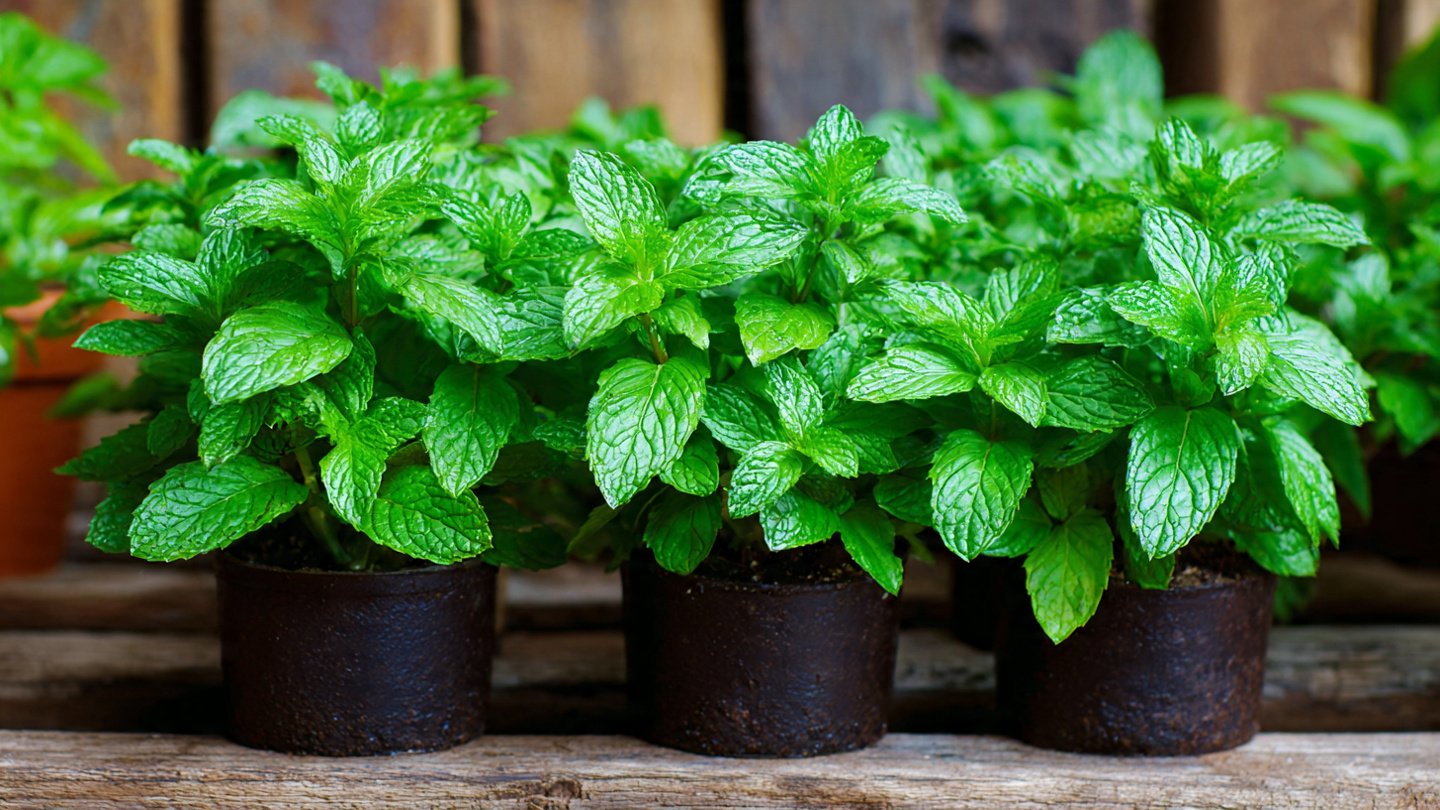
Mint is one of the most versatile, fragrant, and easy-to-grow herbs, prized for its culinary, medicinal, and aromatic uses. From tea and desserts to natural remedies and homemade beauty products, fresh mint adds flavor and freshness to daily life. However, one challenge many urban gardeners face is growing mint in small spaces without letting it take over their garden. With the right techniques, you can cultivate healthy, thriving mint plants in limited areas while ensuring maximum yield throughout the season. This guide explores the best strategies for growing mint efficiently in confined spaces.
Why Mint Thrives in Small Spaces
Mint is a hardy perennial that grows vigorously under favorable conditions. Its ability to spread quickly makes it a perfect candidate for container gardening or small balcony spaces. Some of its unique qualities include:
- Rapid Growth: Mint grows fast and produces multiple stems from a single plant.
- Low Maintenance: Requires minimal care, thriving with sunlight, water, and regular pruning.
- Versatility: Suitable for indoor containers, balcony pots, hanging baskets, vertical gardens, or rooftop setups.
- High Yield Potential: With proper techniques, even small pots can produce abundant leaves continuously.
By using strategic planting and pruning techniques, you can enjoy a constant harvest of fresh mint without worrying about it overtaking your limited space.
Choosing the Right Mint Variety
Several mint varieties are ideal for container or small-space gardening. Consider the following:
- Spearmint (Mentha spicata): Sweet flavor, perfect for teas, salads, and desserts.
- Peppermint (Mentha × piperita): Strong aroma, ideal for medicinal uses and flavoring.
- Chocolate Mint: Subtle cocoa flavor, great for drinks and desserts.
- Apple Mint: Mild, fruity taste, attractive foliage for ornamental purposes.
Choose a variety based on your culinary needs and growing environment. Spearmint is often recommended for beginners due to its resilience and fast growth.
Containers and Small Space Solutions
Since mint is an aggressive spreader, container gardening is the best way to grow it in small spaces:
1. Pots and Containers
- Use wide, shallow pots (10–12 inches) for bushy growth.
- Ensure containers have drainage holes to prevent waterlogging and root rot.
- Plastic, clay, ceramic, or even recycled containers work well.
2. Hanging Baskets
- Hanging baskets save floor space and allow mint vines to cascade beautifully.
- Suitable for balconies, porches, or small patios.
3. Vertical Gardens
- Plant mint in wall-mounted planters, pocket planters, or stacked container systems.
- Vertical setups increase planting area without taking up precious ground space.
Tip: Avoid planting mint directly in garden beds unless it is in a confined barrier, as it spreads aggressively through underground rhizomes.
Soil and Nutrient Requirements
Mint grows best in well-draining, nutrient-rich soil.
- Soil Mix: Combine equal parts potting soil, compost, and perlite for optimal drainage and fertility.
- pH Level: Mint prefers slightly acidic to neutral soil (pH 6–7).
- Fertilization: Use a balanced, slow-release organic fertilizer every 4–6 weeks.
- Compost: Adding compost enriches soil structure and ensures healthy, vibrant growth.
A healthy soil environment encourages bushy, robust mint plants with maximum leaf production.
Planting Techniques
1. Propagation by Cuttings
Mint is easy to propagate from stem cuttings, which is ideal for small spaces:
- Cut 3–4 inches of healthy stem just below a node.
- Remove lower leaves to expose the node.
- Place the cutting in water or moist soil until roots develop.
- Transplant rooted cuttings into containers.
2. Dividing Established Plants
- If you already have a mint plant, divide the roots into smaller sections.
- Each section with a few stems can grow into a new plant.
- Plant divisions in separate pots to manage growth and maximize yield.
Tip: Propagating mint regularly ensures a continuous supply of fresh plants in limited space.
Watering and Light Requirements
1. Watering
- Keep the soil consistently moist, especially in pots and containers where soil dries quickly.
- Water at the base to prevent fungal issues on leaves.
- Avoid overwatering to prevent root rot.
2. Light
- Mint grows best in bright, indirect sunlight for at least 4–6 hours daily.
- In very hot regions, provide partial afternoon shade to prevent leaf scorching.
- Indoor mint thrives near south-facing windows or under LED grow lights.
Tip: Regularly rotate containers to ensure even sunlight exposure for bushy growth.
Pruning and Harvesting for Maximum Yield
Pruning is essential to prevent mint from becoming leggy and to encourage vigorous growth:
1. Pinching Tips
- Pinch off the top 1–2 inches of new growth regularly.
- This encourages lateral branching and bushier plants.
- Use harvested tips in cooking, tea, or garnishes.
2. Regular Harvesting
- Harvest leaves once the plant reaches 4–6 inches in height.
- Cut stems just above a pair of leaves, allowing the plant to regrow.
- Frequent harvesting stimulates continuous leaf production and prevents flowering.
3. Controlling Flowering
- Remove flowers as soon as they appear to prevent the plant from focusing energy on seed production.
- Flowerless mint produces more leaves and maintains a robust flavor.
By pruning strategically, you can maximize leaf yield in small spaces without overwhelming the container.
Companion Planting and Space Optimization
Mint can be paired with other herbs in the same container to save space:
- Basil: Similar watering and sunlight needs.
- Parsley: Adds visual variety and culinary options.
- Oregano or Thyme: Compact herbs that grow well alongside mint.
Tip: Keep mint separated from more delicate herbs using small dividers or separate pots to prevent aggressive spread.
Pest and Disease Management
Mint is relatively hardy, but confined spaces can encourage pests or fungal issues.
Common issues:
- Aphids: Spray with mild soap solution or neem oil.
- Spider Mites: Increase humidity and mist leaves regularly.
- Powdery Mildew: Ensure good air circulation and avoid overhead watering.
- Root Rot: Prevent by using well-draining soil and not overwatering.
Tip: Regular inspection and proactive care prevent small issues from becoming serious problems.
Maximizing Yield in Small Spaces
- Vertical Training: Use trellises or small stakes for upright growth.
- Stacked Containers: Plant mint in stacked pots to increase planting density.
- Interplanting: Combine with low-growing herbs for multi-level harvesting.
- Frequent Pruning: Harvest often to stimulate growth and prevent overcrowding.
- Rotation: Replace older plants with new cuttings periodically to maintain vigor.
By combining these techniques, even the smallest balcony or windowsill can produce an abundant mint harvest.
Seasonal Tips
- Spring and Summer: Mint grows most vigorously; harvest frequently.
- Fall and Winter: Indoor containers with adequate light continue producing, though growth may slow.
- Fertilization: Light feeding every 4–6 weeks ensures continuous leaf production year-round.
By adapting care to seasonal changes, you can enjoy fresh mint throughout the year.
Additional Benefits of Container Mint
- Air Purification: Mint leaves emit a pleasant aroma and help improve indoor air quality.
- Natural Repellent: The strong scent deters ants, mosquitoes, and other insects.
- Culinary Versatility: Fresh leaves for teas, desserts, sauces, and cocktails.
- Easy Propagation: Expanding your collection is simple with cuttings or divisions.
Growing mint in containers maximizes these benefits while minimizing the space it occupies.
Conclusion
Mint is one of the most rewarding herbs to grow in small spaces, offering flavor, fragrance, and multiple health benefits. With the right container, soil, light, water, and pruning techniques, even beginners can achieve maximum yield from a compact mint garden. By propagating through cuttings, regularly harvesting, and maintaining healthy growth conditions, you can enjoy a continuous supply of fresh, vibrant mint without worrying about it spreading uncontrollably.
Whether you have a small balcony, rooftop, or windowsill, mint can thrive in containers, hanging baskets, or vertical gardens. By following these simple techniques, you’ll transform your limited space into a productive herbal oasis, filled with lush, aromatic mint leaves for cooking, beverages, and natural remedies.
Start today, and watch how your small-space mint garden grows into a bountiful, aromatic, and visually stunning collection that delights both your senses and your culinary creations.