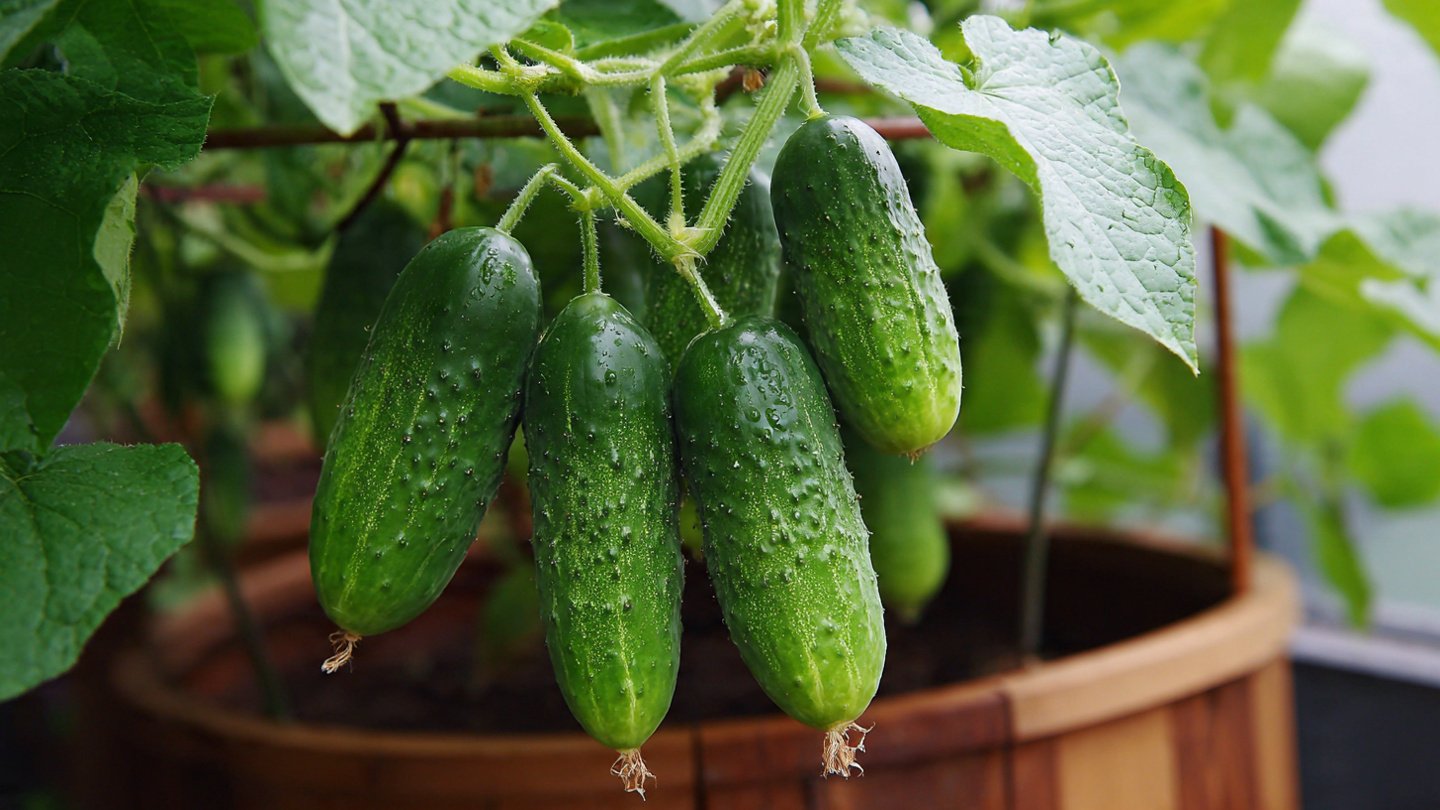
Pickling cucumbers are a gardener’s favorite for creating crunchy, flavorful pickles. But what if you don’t have a garden plot? No worries! With the right techniques, you can grow pickling cucumbers in pots at home — even on balconies, patios, or small outdoor spaces. Growing cucumbers in containers not only saves space but also gives you control over soil quality, watering, and sunlight, ensuring healthier plants and bountiful harvests.
This guide walks you step by step through growing pickling cucumbers in a pot, from choosing the right variety to harvesting crisp, delicious fruits.
Why Grow Pickling Cucumbers in Pots?
Growing cucumbers in pots has several advantages:
- Space-Saving – Ideal for urban dwellers or anyone with limited garden space.
- Soil Control – You can provide nutrient-rich, well-draining soil tailored for cucumbers.
- Mobility – Pots can be moved to optimize sunlight exposure or protect plants from harsh weather.
- Pest and Disease Management – Container gardening makes it easier to monitor and control pests and diseases.
- Continuous Harvest – With proper care, you can enjoy fresh pickling cucumbers throughout the season.
Container-grown cucumbers can be just as productive as those grown in the ground, provided you follow proper care and management techniques.
Choosing the Right Pickling Cucumber Variety
Not all cucumber varieties are suitable for pickling. Look for these traits:
- Short, firm fruits – Typically 3–6 inches long, perfect for pickling jars.
- Thin skin – Easier to pickle without peeling.
- Disease-resistant – Reduces the risk of fungal infections in container setups.
- Compact growth habit – Bush or semi-bush varieties are ideal for pots, while vining types require trellises.
Popular pickling cucumber varieties for pots include ‘Boston Pickling,’ ‘Bush Pickle,’ ‘Marketmore 76,’ and ‘Picklebush.’ Choosing the right variety ensures manageable growth and high yield.
Selecting the Right Pot
The pot is critical for healthy cucumber growth:
- Size – Use containers at least 12–16 inches deep and 12–18 inches wide for a single plant. Larger pots allow better root development and higher yields.
- Drainage – Ensure pots have multiple drainage holes to prevent waterlogging, which can cause root rot.
- Material – Clay, plastic, or fabric pots all work. Fabric pots provide excellent aeration, while clay retains moisture longer.
Proper pot selection ensures your pickling cucumbers grow strong, healthy, and productive.
Soil Preparation for Potted Cucumbers
Cucumber plants are heavy feeders and require well-draining, nutrient-rich soil:
- Soil Mix – Combine equal parts garden soil, compost, and well-draining material such as perlite or sand.
- pH Level – Ideal soil pH is 6.0–7.0. Test soil and adjust with lime (to raise pH) or sulfur (to lower pH) if necessary.
- Nutrients – Mix in slow-release organic fertilizers or compost to provide a steady nutrient supply.
A fertile and well-draining soil base is key to vigorous growth and fruiting.
Planting Pickling Cucumber Seeds
You can start cucumbers from seeds or seedlings. Seeds are cost-effective and easy:
Step 1: Sowing Seeds
- Fill the pot with prepared soil, leaving 2–3 inches at the top.
- Sow 2–3 seeds per pot, about 1 inch deep.
- Cover lightly with soil and water gently.
Step 2: Germination
- Keep soil consistently moist but not soggy.
- Place the pot in a warm location with temperatures of 22–30°C (72–86°F).
- Seeds typically germinate in 5–10 days.
Step 3: Thinning Seedlings
- Once seedlings develop 2–3 true leaves, thin to the strongest plant per pot.
- Remove weaker seedlings by snipping at the soil surface to avoid disturbing the roots of the remaining plant.
Starting with healthy seedlings ensures strong root systems and better fruit development.
Sunlight and Location
Cucumbers are sun-loving plants. To thrive in pots:
- Light Requirement – Provide at least 6–8 hours of direct sunlight daily.
- Warmth – Place pots in a warm, sheltered spot. Avoid cold drafts, as cucumbers are sensitive to frost.
- Mobility Advantage – Move pots to follow sunlight if necessary. In regions with extreme heat, partial afternoon shade can prevent leaf scorching.
Proper sunlight exposure encourages vigorous growth, flowering, and fruiting.
Watering Pickling Cucumbers
Water is critical for cucumbers, especially in containers where soil dries out faster:
- Consistent Moisture – Keep soil evenly moist. Avoid letting it dry completely between waterings.
- Deep Watering – Water slowly and deeply to encourage strong root growth.
- Morning Watering – Watering in the morning helps prevent fungal infections by allowing leaves to dry.
Mulching with straw or coconut husks helps retain moisture, regulate temperature, and reduce weeds.
Supporting Your Cucumber Plant
Even bush varieties benefit from support, and vining types absolutely require trellises:
- Trellises or Stakes – Guide vines upward to save space and improve air circulation.
- Netting or Cages – Supports climbing vines and keeps fruits off the soil.
- Pruning Side Shoots – Remove excessive lateral shoots to direct energy into main stems and fruit production.
Proper support prevents sprawling, reduces disease risk, and makes harvesting easier.
Fertilization and Nutrient Management
Pickling cucumbers are heavy feeders. Feeding your potted plants regularly ensures robust growth and maximum yield:
- Organic Fertilizers – Use compost, vermicompost, or well-rotted manure at planting and as side dressing every 2–3 weeks.
- Liquid Feeding – Diluted organic liquid fertilizers, like seaweed extract or compost tea, support flowering and fruiting.
- Balanced Nutrients – Nitrogen promotes leafy growth, phosphorus strengthens roots, and potassium supports flowering and fruit quality.
Balanced and timely fertilization is essential for healthy, productive cucumber plants in pots.
Flowering and Pollination
Cucumbers require pollination for fruit set:
- Male and Female Flowers – Pickling cucumbers produce both male and female flowers on the same plant. Only female flowers produce fruits.
- Pollinator Attraction – Place flowering plants nearby to attract bees and other pollinators.
- Hand Pollination – Use a soft brush or cotton swab to transfer pollen from male to female flowers if pollinators are scarce.
Effective pollination ensures higher fruit set and larger harvests.
Pest and Disease Management
Potted cucumbers are less prone to pests than in-ground plants, but vigilance is still important:
- Aphids – Spray with neem oil or insecticidal soap.
- Powdery Mildew – Ensure good airflow and avoid overhead watering.
- Spider Mites – Rinse leaves regularly and use organic sprays if needed.
- Fruit Worms – Handpick larvae and monitor for early infestation.
Healthy plants with good care are naturally more resistant to pests and diseases.
Harvesting Pickling Cucumbers
Knowing when and how to harvest is critical for pickling:
- Size – Harvest cucumbers when they are 3–6 inches long, firm, and dark green. Avoid overripe fruits, as they become seedy and less crunchy.
- Frequency – Check plants every 2–3 days, as cucumbers grow rapidly. Frequent harvesting encourages continued production.
- Harvesting Method – Use a sharp knife or scissors to cut fruits, leaving a small portion of the stem attached to prevent plant damage.
Consistent harvesting ensures maximum yield and maintains plant health.
Tips for Maximizing Yield in Pots
- Choose Compact Varieties – Bush or dwarf types are easier to manage in containers.
- Regular Feeding – Keep soil nutrient-rich for continuous flowering and fruiting.
- Adequate Watering – Prevent stress from over- or under-watering.
- Prune Strategically – Remove dead leaves and side shoots to channel energy to fruits.
- Use Trellises – Vertical growth saves space and reduces disease risk.
By following these tips, you can enjoy a high yield of crisp, flavorful pickling cucumbers from even small spaces.
Conclusion
Growing pickling cucumbers in pots at home is simple, space-efficient, and highly rewarding. With the right variety, quality soil, proper sunlight, consistent watering, and regular care, you can cultivate healthy, productive plants that yield crisp, delicious cucumbers for pickling or fresh consumption. Container gardening allows you to grow cucumbers even in limited spaces, providing fresh produce year after year.
By following this step-by-step guide and incorporating good practices in fertilization, support, pest management, and harvesting, your pickling cucumbers will thrive and provide a continuous, satisfying harvest. With patience and attention, even a balcony or small patio can become a thriving cucumber garden, supplying fresh, crunchy pickles straight from your home.