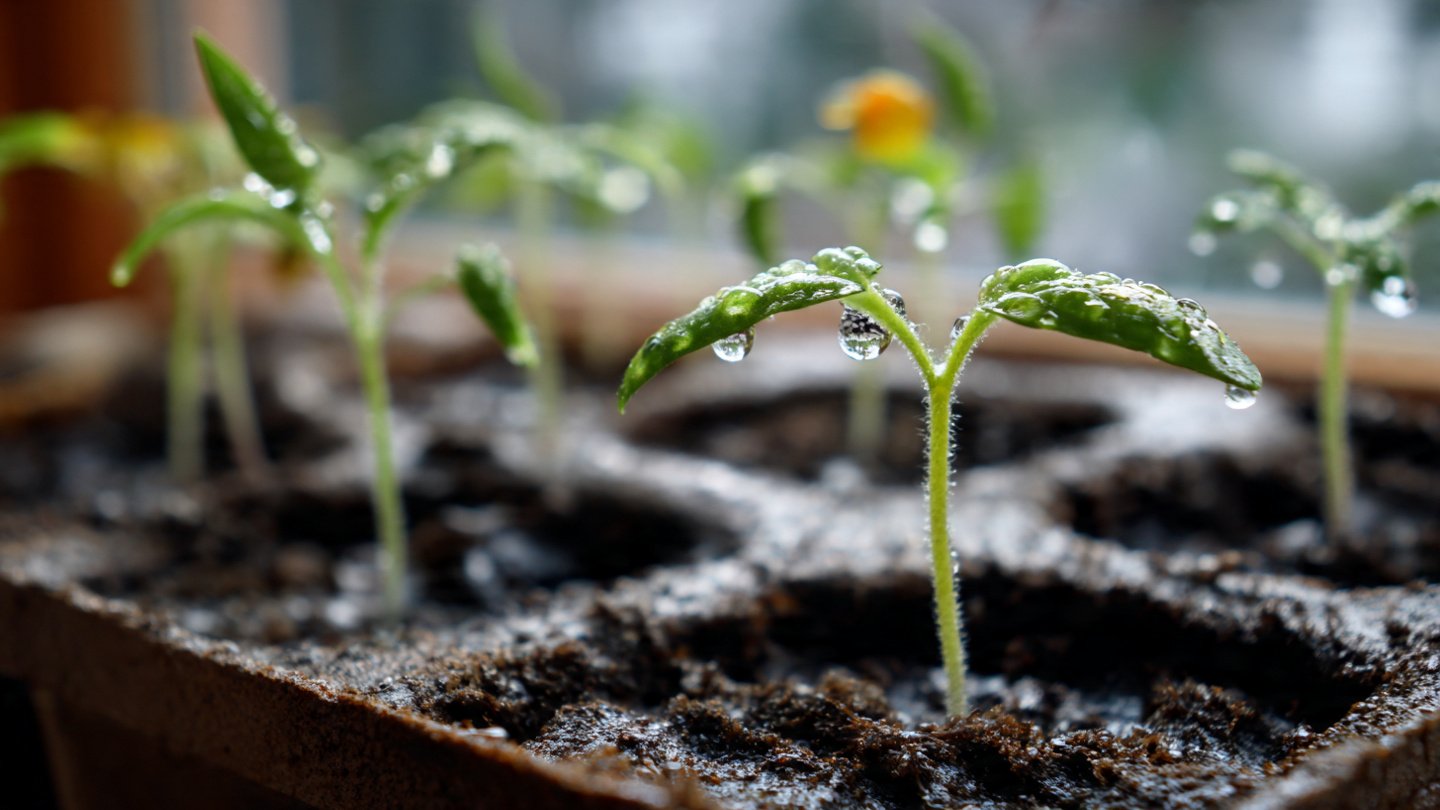
There’s something magical about watching a tiny tomato seed sprout into a thriving plant. For beginner gardeners, germinating tomato seeds can seem intimidating, but with the right steps, it’s actually simple and incredibly rewarding. Understanding the process from seed to sprout lays the foundation for healthy seedlings, which in turn produce bountiful fruit later in the season.
This guide will take you step by step through everything you need to know to successfully germinate tomato seeds and start your garden off right.
Why Germinating Tomato Seeds Matters
Starting tomatoes from seeds gives you a head start on the growing season. Unlike transplanting store-bought seedlings, growing from seeds allows you to:
- Choose from a wide variety of tomato types, from cherry tomatoes to heirloom varieties
- Control the quality of your plants
- Save money on nursery plants
- Develop stronger seedlings adapted to your growing conditions
However, success starts with proper germination, which ensures seeds sprout quickly, uniformly, and produce strong seedlings.
Understanding Tomato Seeds
Tomato seeds are surprisingly resilient, but they need the right conditions to wake up and begin growing. Here’s what you need to know:
- Viability: Tomato seeds usually remain viable for 4–6 years if stored in a cool, dry place
- Size: Tiny but mighty, a single tomato seed can produce a whole plant
- Dormancy: Some seeds require specific conditions like warmth and moisture to break dormancy
Knowing this helps you handle seeds with care and gives them the best chance of germination.
Materials You’ll Need
Before you start, gather the following materials:
- Tomato seeds of your choice
- Seed-starting trays, pots, or containers
- Seed-starting mix or fine, well-draining potting soil
- Clear plastic cover, dome, or plastic wrap (optional for humidity)
- Spray bottle or gentle watering tool
- Labels or markers
- Warm location or seed heat mat
Using the right materials sets your seedlings up for success and prevents common problems like damping-off disease.
Step 1: Preparing the Seed-Starting Mix
Tomato seeds prefer a light, well-draining medium rather than regular garden soil. A seed-starting mix ensures:
- Seeds get enough air circulation
- Roots can penetrate easily
- Moisture is retained without waterlogging
Fill your seed trays or pots loosely with the mix. Avoid compacting it, as this can make it harder for tiny roots to grow.
Step 2: Sowing the Seeds
Follow these simple steps:
- Moisten the mix lightly before planting. It should feel damp but not soggy.
- Plant seeds about 1/4 inch (6 mm) deep. A general rule: plant seeds at a depth of roughly twice their diameter.
- Cover lightly with soil and gently press to ensure contact.
- Label your containers with the tomato variety and date.
Spacing is important too—if you’re using trays, place one or two seeds per cell to avoid overcrowding.
Step 3: Creating the Ideal Germination Environment
Tomato seeds germinate best under specific conditions:
- Temperature: 21–27°C (70–80°F)
- Light: Indirect bright light is sufficient initially; full light isn’t required until seedlings emerge
- Humidity: Covering trays with a clear dome or plastic wrap helps retain moisture
- Moisture: Keep the soil consistently damp, not soggy
Tip: A seed heat mat can provide consistent warmth and speed up germination.
Step 4: Watering Techniques
Overwatering is a common mistake among beginners. To keep seedlings happy:
- Use a spray bottle to mist the soil surface
- Check daily for moisture
- Avoid watering directly onto seeds, which can displace them or cause rot
Maintaining even moisture encourages healthy root development and prevents fungal issues.
Step 5: Watching for Germination
Patience is key. Tomato seeds typically sprout in 5–14 days, depending on variety and conditions. Signs to watch for:
- Tiny green shoots breaking through the soil
- The first set of leaves, called cotyledons, appear
- Seedlings begin to stretch toward light
If germination is slow, ensure the soil isn’t too dry or too cold. Sometimes simply adjusting warmth can make a huge difference.
Step 6: Caring for Seedlings
Once sprouts emerge:
- Remove the cover to prevent excessive humidity and fungal growth
- Provide light: Seedlings need 12–16 hours of light per day. A sunny windowsill may suffice, but grow lights work best indoors
- Water carefully: Keep soil moist, not wet
- Thin seedlings: If multiple seeds sprout in a single cell, snip the weaker ones at soil level to reduce competition
Healthy seedlings at this stage will develop strong stems and vibrant leaves, essential for robust tomato plants later.
Step 7: Hardening Off
Before transplanting outdoors, seedlings must acclimate to outdoor conditions—a process called hardening off:
- Start by placing seedlings outside in a shaded, protected area for a few hours
- Gradually increase sunlight exposure and time over 7–10 days
- Avoid extreme weather; protect seedlings from strong winds, heavy rain, or frost
Hardening off reduces transplant shock and boosts plant survival rates.
Step 8: Transplanting Seedlings
When seedlings are 6–8 inches tall and have a few sets of true leaves, they’re ready for the garden or larger containers. Tips for transplanting:
- Choose a sunny, well-drained location
- Dig holes slightly larger than the root ball
- Plant seedlings deeply, burying part of the stem to encourage strong roots
- Water immediately after planting
Transplanted seedlings are more resilient and ready to grow into fruitful tomato plants.
Troubleshooting Common Germination Problems
Even with care, problems can arise:
- No germination: Check seed viability, warmth, and moisture
- Damping-off disease: Ensure proper airflow, avoid overwatering, use sterilized soil
- Leggy seedlings: Provide more light and avoid overcrowding
- Yellowing leaves: May indicate overwatering, poor nutrition, or inadequate light
By observing seedlings daily, you can intervene early and prevent minor issues from becoming serious.
Tips for Maximum Success
- Start early: Indoors, 6–8 weeks before the last frost date
- Use fresh seeds: Old seeds germinate less reliably
- Keep containers clean: Reduces disease risk
- Rotate trays: Ensures even light exposure
- Record progress: Helps refine your technique each season
These small steps create a strong foundation for abundant harvests.
The Joy of Growing From Seed
Watching tomato seeds germinate and grow is one of the most satisfying parts of gardening. From the first tiny sprout to a fully fruiting plant, the journey teaches patience, observation, and care. By following this guide, beginners can skip common mistakes and enjoy strong, healthy seedlings ready to thrive in the garden.
Starting tomatoes from seed also gives you a sense of pride and accomplishment. Each tomato on your plate tells the story of your care—from seed to sprout to delicious fruit.
Conclusion
Germinating tomato seeds may seem intimidating at first, but with the right materials, conditions, and care, anyone can do it successfully. By following these steps—preparing soil, planting correctly, maintaining warmth and moisture, providing light, hardening off seedlings, and transplanting—you’ll give your tomato plants the best possible start.
The rewards? Strong, vibrant plants and a harvest of juicy, flavorful tomatoes that you grew entirely from seed. Whether you’re a first-time gardener or expanding your skills, starting from seed is a step toward more sustainable, enjoyable, and productive gardening.
So grab your seeds, trays, and enthusiasm, and watch your tomato seedlings grow from tiny seeds into thriving, fruit-bearing plants. Your garden—and your taste buds—will thank you.