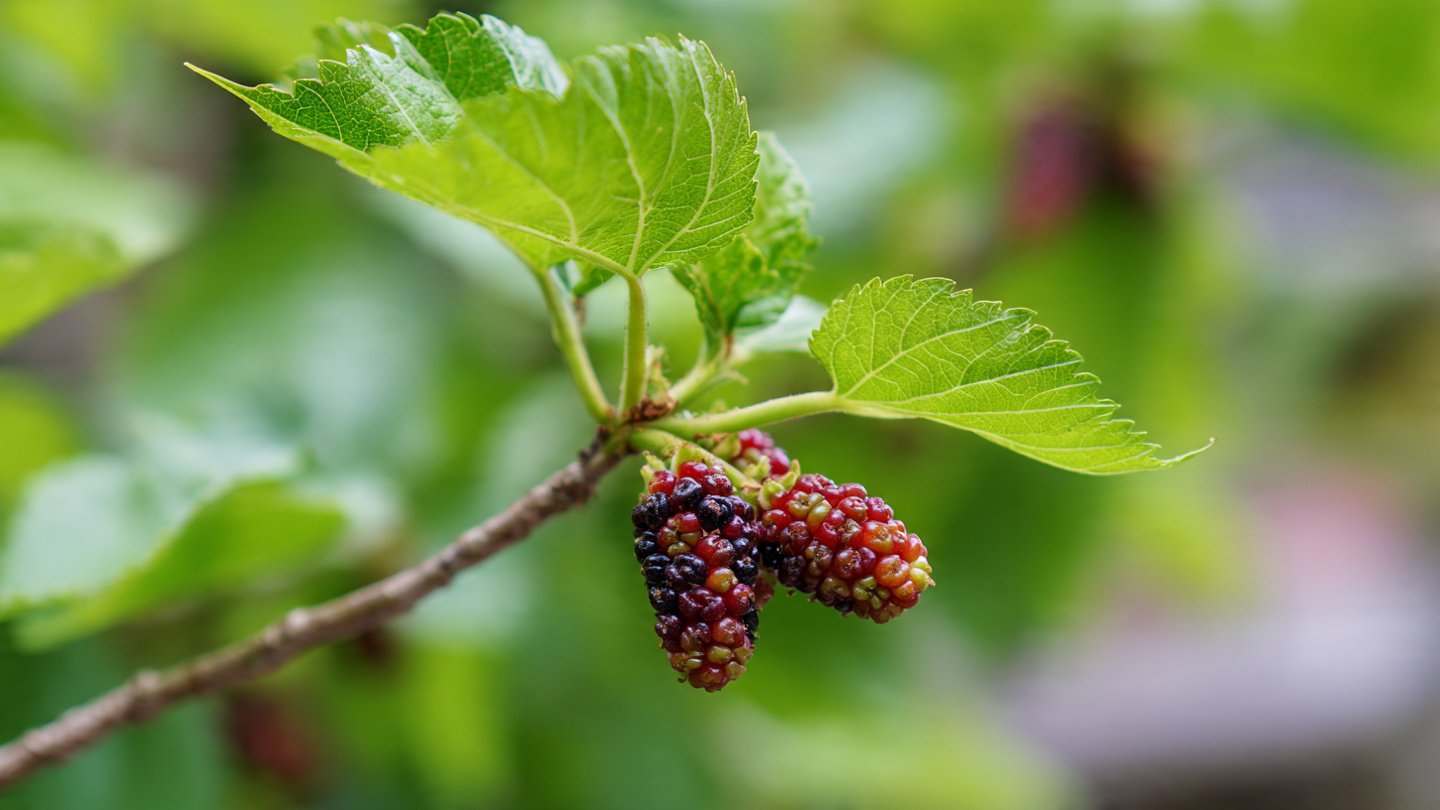
Mulberry trees are versatile, fast-growing, and highly rewarding for gardeners. Known for their luscious fruits, attractive shade, and ease of cultivation, mulberries have become a favorite in home gardens, orchards, and even balcony spaces. However, buying multiple plants can be expensive, especially for gardeners on a budget. Fortunately, there’s a simple and cost-effective way to multiply mulberry trees: propagating them from cuttings. This method is not only affordable but also remarkably efficient, allowing gardeners to expand their mulberry grove without breaking the bank. In this article, we explore an easy trick to multiply mulberries from cuttings, step-by-step techniques, and expert tips to ensure success.
Why Multiply Mulberries from Cuttings?
Propagating mulberries from cuttings has several advantages over growing from seeds:
- Cost-Effective: Cuttings allow you to produce multiple plants from a single parent tree, saving money on buying seedlings.
- Faster Fruiting: Cuttings establish quicker than seeds, leading to fruit production in 2–3 years instead of 5–7 years.
- Preserve Traits: Cuttings produce plants identical to the parent tree, ensuring the same fruit quality, growth habit, and resilience.
- Simple Technique: With minimal materials and effort, even beginner gardeners can successfully propagate mulberries.
This method is perfect for home gardeners, community gardens, and anyone looking to expand their garden sustainably.
Selecting the Right Mulberry Cuttings
The first step toward success is choosing healthy cuttings from a mature mulberry tree:
- Time of Year: The best time to take cuttings is during the dormant season (late winter to early spring) before new growth begins.
- Type of Cutting: Hardwood cuttings (from mature wood) are preferred, although semi-hardwood cuttings can also work.
- Length: Cuttings should be 8–12 inches long with at least 3–4 nodes.
- Condition: Choose healthy, disease-free branches with no signs of pest infestation or damage.
By selecting quality cuttings, you increase the chances of strong root development and successful establishment.
Step-by-Step Guide to Multiply Mulberries from Cuttings
Here’s a simple and effective trick for multiplying mulberry trees on a budget:
Step 1: Prepare the Cuttings
- Trim the lower end of the cutting just below a node and the top end about half an inch above the uppermost node.
- Remove any leaves from the lower half of the cutting to reduce moisture loss and focus energy on root development.
- Optionally, dip the bottom end in rooting hormone to accelerate rooting. Rooting hormone can be purchased cheaply at garden stores or prepared naturally using willow water.
Step 2: Select a Propagation Medium
Mulberry cuttings root best in a medium that is well-draining yet retains some moisture. Common budget-friendly options include:
- Sand and Soil Mix: A 1:1 mixture of river sand and garden soil ensures drainage while providing nutrients.
- Coconut Coir: Affordable, lightweight, and retains moisture well.
- Perlite or Vermiculite: Used to improve aeration and prevent waterlogging.
Fill small pots or trays with the medium, ensuring proper drainage to prevent rotting.
Step 3: Plant the Cuttings
- Insert the lower two nodes of the cutting into the medium, burying it about 3–4 inches deep.
- Firm the medium gently around the cutting to remove air pockets and provide stability.
- Space cuttings about 2–3 inches apart if using a tray, or one per pot if planting individually.
Step 4: Provide Proper Care
Proper care during the rooting phase is critical:
- Watering: Keep the medium moist but not waterlogged. Mist the cuttings regularly to maintain humidity.
- Light: Place the cuttings in indirect sunlight or partial shade. Direct sunlight can stress the cuttings.
- Temperature: Mulberry cuttings root best in warm conditions, ideally between 20–30°C (68–86°F).
Step 5: Encourage Root Development
Roots typically start forming within 4–6 weeks, depending on conditions:
- Check gently for resistance by tugging lightly. If the cutting resists, roots are forming.
- Avoid disturbing the cutting too frequently, as this can damage developing roots.
Step 6: Transplanting the Rooted Cuttings
Once roots are well-established (usually after 2–3 months):
- Prepare a larger pot or planting hole in the garden.
- Carefully remove the cutting from the propagation medium, keeping the roots intact.
- Plant at the same depth as before, firming the soil around the base.
- Water thoroughly and provide some shade for the first few days to reduce transplant shock.
Step 7: Ongoing Care for Young Plants
- Watering: Maintain consistent moisture during the first few months.
- Fertilization: Use balanced organic fertilizers or compost to support healthy growth.
- Pruning: Remove any weak or damaged shoots to encourage strong branching and future fruiting.
- Protection: Watch for pests like aphids, mealybugs, or leaf-eating insects. Organic sprays or neem oil can help.
Expert Tips for Budget-Friendly Multiplication
- Use Existing Trees: Take cuttings from your mature mulberry trees or borrow from neighbors with permission. This eliminates the cost of buying new plants.
- Reuse Containers: Old pots, yogurt cups, or plastic bottles can serve as propagation containers. Drill drainage holes at the bottom for water flow.
- Homemade Rooting Hormones: Use natural rooting aids like willow water, honey, or aloe vera gel to boost rooting without commercial products.
- Multiplication Efficiency: Plant multiple cuttings together in trays to maximize space and resources.
- Seasonal Timing: Dormant season cuttings have a higher success rate than those taken during active growth periods.
Benefits of Propagating Mulberries from Cuttings
- Rapid Expansion: From a single parent tree, you can create dozens of new plants in one season.
- Cost Savings: Avoid the expense of buying multiple seedlings.
- Uniform Quality: Cuttings retain the same fruiting characteristics as the parent tree.
- Sustainability: Propagation from cuttings is an eco-friendly practice that reduces waste and encourages homegrown gardening.
Common Challenges and How to Overcome Them
- Cutting Rot: Caused by overwatering or poor drainage. Solution: Use well-draining medium and water sparingly.
- Poor Rooting: Sometimes cuttings fail to root due to weak shoots or cold conditions. Solution: Select strong cuttings and maintain warm, humid conditions.
- Pest Infestation: Young cuttings are vulnerable to aphids or fungal infections. Solution: Inspect regularly and use organic protective sprays.
- Transplant Shock: Newly rooted cuttings may wilt after transplanting. Solution: Keep them shaded for a few days and water carefully to help acclimate.
From Cuttings to Fruitful Trees
When propagated successfully, mulberry cuttings grow quickly into strong saplings:
- Early Fruiting: Cuttings can start producing fruit within 2–3 years, much faster than seed-grown trees.
- Consistent Fruit Quality: The fruit is identical to the parent tree, ensuring the same sweetness, size, and color.
- Aesthetic Value: Mulberry trees with multiple branches and lush foliage enhance both backyard landscapes and functional fruit production.
By following these easy steps, gardeners on a budget can multiply mulberries efficiently and enjoy a thriving garden filled with delicious fruits.
Conclusion
Multiplying mulberry trees from cuttings is a simple, cost-effective technique that allows gardeners to expand their collection without spending heavily on seedlings. With proper selection of cuttings, a well-draining medium, adequate water and sunlight, and careful attention to rooting, gardeners can propagate multiple healthy trees from a single parent plant.
This method not only saves money but also accelerates fruit production and ensures uniformity in fruit quality. Whether you are a beginner or an experienced gardener, the easy trick of propagating mulberries from cuttings offers a practical, budget-friendly, and rewarding approach to creating a fruitful garden.
With patience, care, and consistent effort, a single mulberry tree can multiply into a small orchard, providing abundant fruits, shade, and beauty for years to come. For gardeners seeking to maximize both efficiency and sustainability, propagation from cuttings is the ultimate solution.