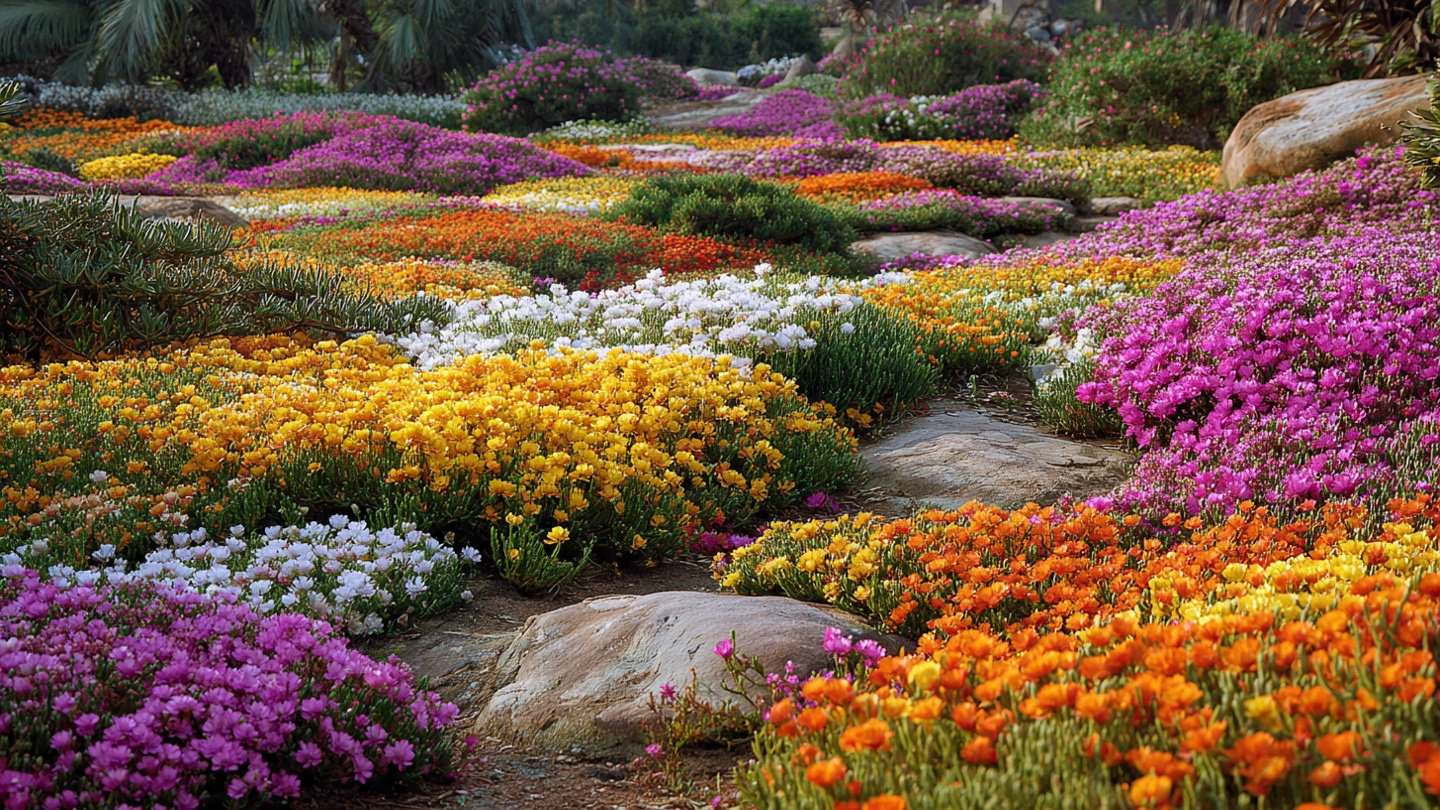
Portulaca, commonly known as moss rose, is a stunning, low-growing succulent that produces a brilliant cascade of colorful flowers all summer long. With its bright pinks, reds, oranges, yellows, and whites, portulaca can transform any garden bed into a vibrant floral carpet. Its hardy nature, drought tolerance, and continuous blooms make it an ideal choice for gardeners looking to add vivid color without demanding high maintenance.
Creating a lush, thriving portulaca flower carpet, however, requires understanding its growing habits, proper soil preparation, sunlight requirements, and care techniques. This guide will help you discover the best techniques to cultivate portulaca, ensuring your garden bursts with color and life.
Why Portulaca Is Perfect for Flower Carpets
Portulaca is an excellent choice for creating flower carpets due to several unique features:
- Low-Growing Habit: Portulaca spreads across the ground, covering bare soil and suppressing weeds.
- Drought Tolerance: Its succulent leaves store water, allowing it to thrive in hot, dry conditions.
- Continuous Blooming: Flowers open in full sun and continue blooming throughout the warm season.
- Variety of Colors: Its rainbow of colors adds striking visual appeal.
- Low Maintenance: Requires minimal care once established, making it perfect for busy gardeners.
By planting portulaca strategically, you can create a continuous, low-maintenance flower carpet that enhances the beauty of your garden.
Selecting the Right Portulaca Varieties
Portulaca comes in many varieties, each with unique characteristics. Selecting the right variety is essential for a vibrant flower carpet:
- Single-Flowered Varieties: Large, simple flowers that provide a bold splash of color.
- Double-Flowered Varieties: Have more petals, giving a fuller, ruffled appearance.
- Trailing Varieties: Ideal for ground cover, hanging baskets, or borders.
- Dwarf Varieties: Compact growth perfect for small garden beds or rock gardens.
When creating a flower carpet, consider mixing different colors and types to achieve a lively, dynamic display.
Preparing the Soil
Portulaca thrives in well-draining, slightly sandy soil, which mimics its natural environment:
- Soil Type: Sandy or loamy soil allows roots to grow freely and prevents waterlogging.
- pH Level: Slightly acidic to neutral soil (pH 5.5–7.0) is ideal.
- Soil Enrichment: Incorporate organic compost or well-rotted manure to provide nutrients without making the soil too heavy.
- Drainage: Raised beds or slight mounds can improve drainage and prevent root rot.
Portulaca does not require extremely fertile soil; in fact, too much nitrogen can promote foliage growth at the expense of flowers.
Planting Portulaca
Portulaca can be grown from seeds, cuttings, or small nursery plants. Each method has its advantages:
1. Planting Seeds
- Sow Directly: Scatter seeds evenly over prepared soil in spring after the last frost.
- Light Soil Contact: Gently press seeds into the soil without covering them deeply; they need light to germinate.
- Watering: Mist lightly to keep the soil moist until germination, usually 7–14 days.
2. Using Cuttings
- Cuttings from Healthy Plants: Take 3–4 inch stems, remove lower leaves, and plant directly in soil.
- Rooting: Cuttings root quickly in warm, well-drained soil.
3. Nursery Plants
- Spacing: Plant small portulaca seedlings 6–12 inches apart for an evenly spread flower carpet.
- Arrangement: Alternate colors for a visually striking display.
Sunlight Requirements
Portulaca is a sun-loving plant and will only thrive with adequate light:
- Full Sun: 6–8 hours of direct sunlight daily promotes robust growth and vibrant flowers.
- Partial Shade: Can survive, but flowers may be smaller and bloom less profusely.
- Flower Behavior: Flowers open fully in bright sunlight and may close at night or on cloudy days.
Strategic placement in the sunniest areas of your garden ensures the best flower carpet effect.
Watering Portulaca
Despite being drought-tolerant, young portulaca plants need regular watering until established:
- Young Plants: Water gently every 2–3 days to encourage root development.
- Established Plants: Water sparingly; the plant stores water in its leaves.
- Avoid Overwatering: Excess water can cause root rot and reduce flowering.
Mulching lightly around the plants helps retain soil moisture without keeping it soggy.
Fertilizing for a Vibrant Flower Carpet
Portulaca is not a heavy feeder but benefits from occasional nutrition:
- Balanced Fertilizer: Apply a diluted liquid fertilizer once a month to encourage continuous blooms.
- Organic Options: Compost tea or fish emulsion provides nutrients without promoting excessive leaf growth.
- Avoid High Nitrogen Fertilizer: Too much nitrogen encourages leafy growth, reducing flowers.
Proper fertilization ensures that your flower carpet is not only lush but vibrantly colored.
Pruning and Maintenance
Maintaining your portulaca flower carpet requires minimal but strategic care:
- Deadheading: Remove spent flowers to encourage new blooms.
- Trimming: Prune back any overgrown stems to maintain an even, carpet-like appearance.
- Spacing: Thin crowded areas to prevent competition and ensure airflow.
Regular maintenance keeps the plants healthy and flowering consistently throughout the season.
Controlling Pests and Diseases
Portulaca is generally hardy but may face minor pest or disease challenges:
- Common Pests: Aphids, spider mites, and mealybugs. Control with neem oil, insecticidal soap, or gentle water sprays.
- Fungal Diseases: Powdery mildew may occur in humid climates. Ensure proper spacing and airflow.
- Preventive Care: Avoid overhead watering and remove damaged or diseased leaves promptly.
Healthy plants, well-drained soil, and sunlight exposure reduce the risk of infestations and diseases.
Creating a Flower Carpet Effect
To achieve a true portulaca flower carpet, follow these techniques:
- Layered Planting: Start with dense spacing of seedlings or cuttings to ensure even coverage.
- Mixing Colors: Combine different varieties to create a vibrant, mosaic-like effect.
- Continuous Care: Regular watering, pruning, and fertilization encourage more blooms and wider spread.
- Border Planting: Use portulaca along garden edges, pathways, or rockeries to enhance visual appeal.
- Container Layering: For patios, grow trailing portulaca in containers that cascade over edges for a flowing flower carpet effect.
With consistent care, portulaca will fill gaps and spread naturally, forming a colorful carpet that lasts all season.
Benefits of Growing Portulaca Flower Carpets
- Aesthetic Appeal: A bright, low-maintenance flower carpet adds instant visual charm.
- Drought Tolerance: Perfect for hot, dry regions and low-maintenance gardens.
- Pollinator Friendly: Flowers attract bees, butterflies, and other beneficial insects.
- Soil Protection: Covers bare soil, suppressing weeds and preventing erosion.
- Versatile Use: Ideal for garden beds, rock gardens, borders, and containers.
Portulaca combines beauty, hardiness, and functionality, making it one of the best options for a vibrant garden display.
Conclusion
Cultivating portulaca as a flower carpet is an enjoyable and rewarding gardening project. By selecting the right varieties, preparing well-drained soil, providing adequate sunlight, and practicing proper watering, fertilization, and maintenance, gardeners can create a stunning, low-maintenance carpet of color.
Whether you’re filling a garden bed, edging a pathway, or adding cascading blooms to containers, portulaca thrives with minimal effort and continuous blooms, turning ordinary garden spaces into vibrant, eye-catching displays.
Start planting portulaca today, and watch as your garden transforms into a lush, colorful flower carpet that brings beauty, fragrance, and life throughout the growing season. With patience, care, and the right techniques, your portulaca display will flourish, providing endless enjoyment for both your eyes and your heart.