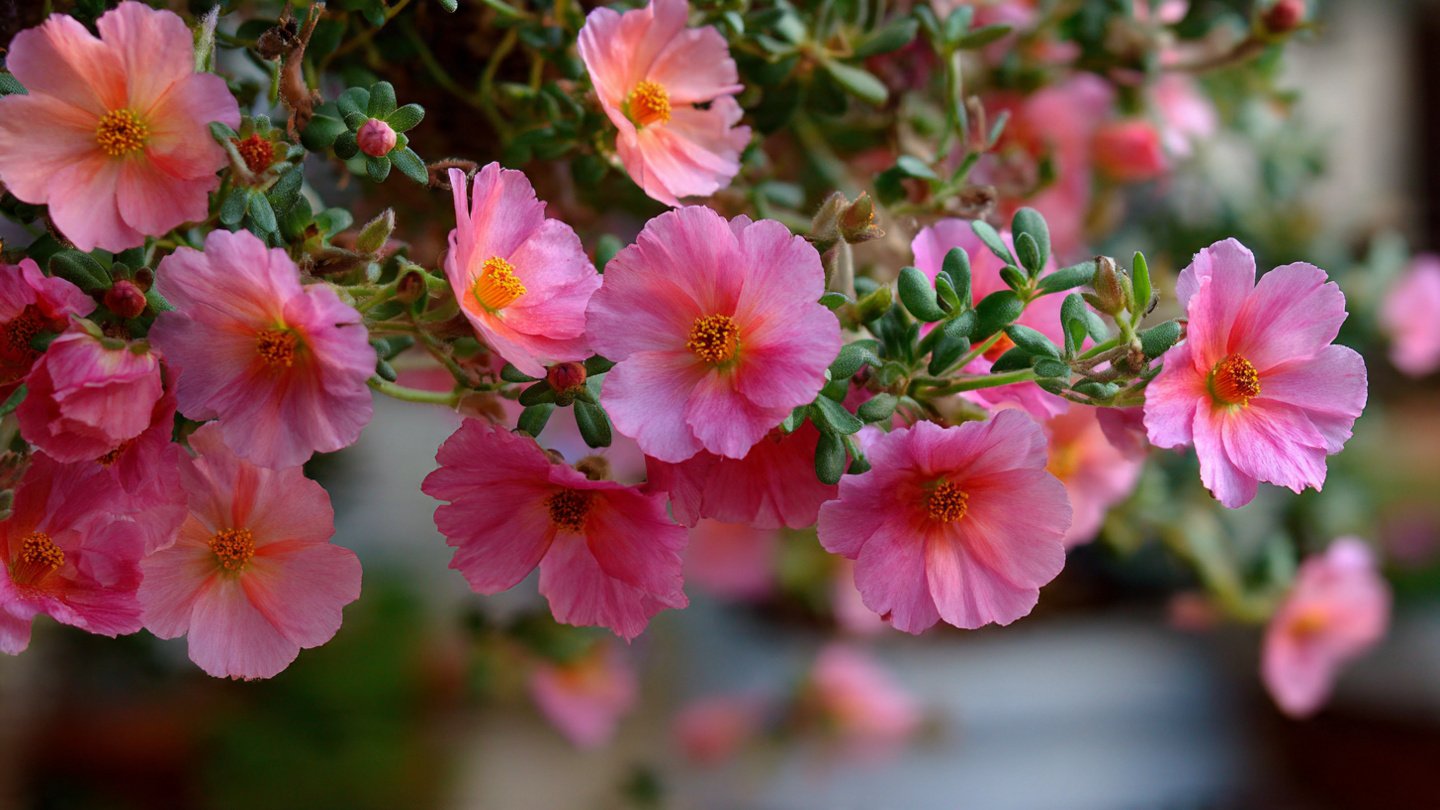
If you’re looking for a plant that delivers bold color, thrives in heat, and looks stunning spilling from hanging pots, portulaca might be exactly what your garden needs. Often called moss rose, portulaca is a low-maintenance flowering plant known for its bright, jewel-toned blooms and succulent-like foliage. When grown in hanging containers, it creates a cascading display that instantly brings life and energy to patios, balconies, and garden corners.
Cultivating portulaca in hanging pots is easy—even for beginners—and incredibly rewarding. With the right setup and care, these cheerful flowers can bloom nonstop throughout the warm season. Here’s everything you need to know to grow beautiful portulaca in hanging pots for a vibrant garden display.
Why Portulaca Is Perfect for Hanging Pots
Portulaca is naturally suited for container and hanging basket gardening. Its trailing growth habit allows stems to spill gracefully over the edges, creating a waterfall of color. Unlike many flowering plants, portulaca thrives in hot, sunny conditions and doesn’t demand constant watering.
Key reasons portulaca excels in hanging pots include:
- Exceptional heat and drought tolerance
- Compact roots ideal for containers
- Continuous blooming in full sun
- Low maintenance requirements
- Wide range of vivid colors
These qualities make portulaca a top choice for gardeners who want maximum visual impact with minimal effort.
Choosing the Right Hanging Pot
The success of portulaca starts with the right container. Hanging pots should balance beauty with functionality.
Choose pots that are:
- At least 8–10 inches deep to allow proper root development
- Equipped with drainage holes to prevent waterlogging
- Lightweight, especially for hanging setups
Plastic, resin, and coconut coir baskets work particularly well. Terracotta can be used, but it dries out faster and may require more frequent watering.
For extra visual appeal, consider shallow but wide hanging baskets, which allow portulaca to spread and trail more dramatically.
Best Soil for Portulaca in Hanging Pots
Portulaca prefers soil that drains quickly. Because it is a succulent-like plant, soggy soil is its biggest enemy.
Use a well-draining potting mix, ideally one designed for succulents or cacti. You can also improve regular potting soil by mixing in:
- Coarse sand
- Perlite or pumice
- Fine gravel
Avoid heavy garden soil, which retains too much moisture and can lead to root rot.
Planting Portulaca in Hanging Pots
Portulaca can be grown from seeds or nursery seedlings. Both methods work well in hanging pots.
Planting from Seed
Sow seeds directly onto the soil surface, as portulaca seeds need light to germinate. Gently press them into the soil without covering them. Keep the soil lightly moist until seedlings appear, usually within 7–14 days.
Planting Seedlings
Transplant seedlings carefully, spacing them evenly around the pot. Avoid burying stems too deeply, and water lightly after planting.
For fuller baskets, plant multiple seedlings in a circular arrangement near the edges of the pot to encourage trailing growth.
Light Requirements for Lush Blooms
Sunlight is crucial for portulaca. These plants love bright, direct sun and bloom best when they receive at least 6–8 hours of sunlight per day.
Place hanging pots in locations such as:
- Sunny balconies
- South-facing patios
- Pergolas with full sun exposure
In insufficient light, portulaca may grow leggy and produce fewer flowers. The blooms also tend to open fully only in direct sunlight.
Watering Portulaca the Right Way
One of the most common mistakes with portulaca is overwatering. Because the plant stores water in its fleshy leaves and stems, it tolerates dry conditions far better than excess moisture.
Watering tips include:
- Water only when the top inch of soil feels dry
- Avoid daily watering unless temperatures are extreme
- Ensure excess water drains freely from the pot
During rainy periods, hanging pots may need little to no additional watering. Always err on the side of underwatering rather than overwatering.
Fertilizing for Continuous Blooms
Portulaca doesn’t need heavy feeding, but light fertilization can enhance flowering.
Use a balanced, water-soluble fertilizer diluted to half strength every 3–4 weeks. Alternatively, a slow-release fertilizer mixed into the soil at planting time works well.
Avoid fertilizers high in nitrogen, which encourage leafy growth at the expense of flowers.
Pruning and Deadheading for Fuller Growth
Although portulaca is low maintenance, occasional pruning helps keep hanging pots lush and compact.
Pinch back long or leggy stems to encourage branching. Removing spent flowers also promotes new blooms and keeps the plant looking tidy.
If the plant becomes sparse mid-season, a light trim followed by watering often rejuvenates growth and flowering.
Dealing with Pests and Diseases
Portulaca is generally resistant to pests and diseases, especially when grown in well-drained soil. However, occasional issues may arise.
Common problems include:
- Aphids: Can be washed off with water or treated with insecticidal soap
- Root rot: Caused by poor drainage or overwatering
- Fungal issues: Rare but possible in humid conditions
Good air circulation and proper watering practices prevent most problems.
Mixing Portulaca with Other Plants
Portulaca can be grown alone for a bold display, or mixed with other sun-loving plants in hanging pots.
Good companion plants include:
- Verbena
- Calibrachoa
- Trailing lantana
- Bacopa
When mixing plants, ensure they share similar water and light requirements to avoid stress.
Seasonal Care and Longevity
Portulaca is typically grown as an annual in most climates. It thrives during summer and continues blooming until cooler temperatures arrive.
In warmer regions, portulaca may reseed itself. You can also collect seeds from dried flowers and store them for the next growing season.
As temperatures drop, remove declining plants and refresh hanging pots with cool-season flowers or foliage.
Creating a Vibrant Garden Display
The beauty of portulaca lies in its color range—pink, red, orange, yellow, white, and bi-colored blooms all shine brilliantly in the sun. Mixing different colors in hanging pots creates a lively, cheerful display that draws attention from afar.
Hang pots at varying heights, group them together, or place them near seating areas to enjoy the blooms up close. With minimal effort, portulaca transforms ordinary spaces into vibrant garden showcases.
Final Thoughts
Cultivating portulaca in hanging pots is one of the easiest ways to achieve a dramatic, colorful garden display. With proper sunlight, well-drained soil, and minimal watering, these resilient plants reward gardeners with nonstop blooms and cascading beauty all summer long.
Whether you’re a beginner or an experienced gardener, portulaca offers a perfect blend of simplicity and visual impact. Once you see those brilliant flowers spilling from your hanging pots, you’ll understand why this humble plant is a favorite for vibrant, sun-filled gardens. 🌸