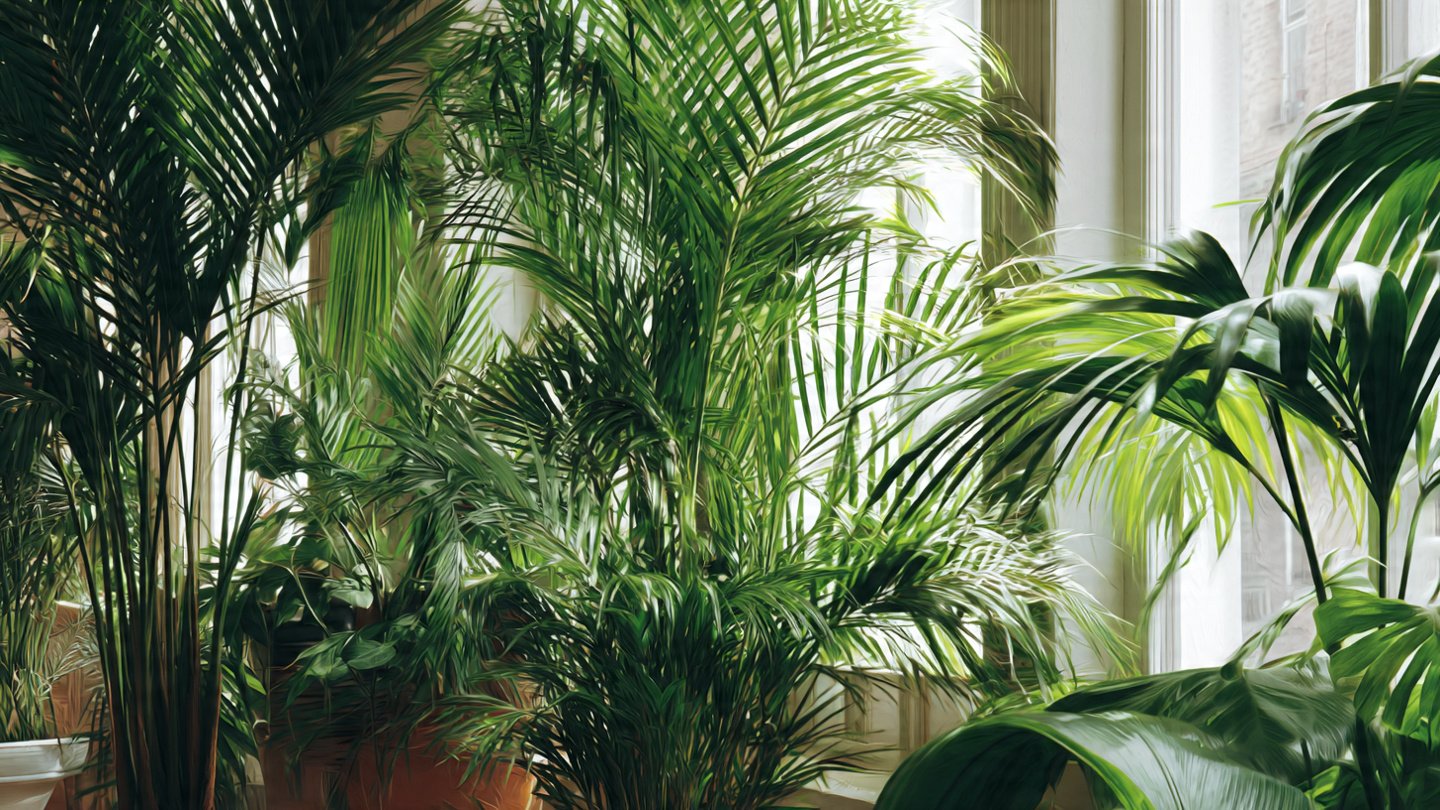
Bringing nature indoors has become an essential part of modern living. Among indoor plants, palm varieties stand out for their elegance, tropical charm, and air-purifying qualities. Their lush fronds can instantly transform a dull living room into a vibrant, serene oasis. However, growing palms indoors requires a bit more attention than other houseplants. From choosing the right species to understanding light, soil, and watering needs, every detail counts. This guide offers the best tips for growing palm plants in your living room, ensuring your indoor space thrives with greenery.
1. Choosing the Right Palm Species for Indoor Growth
Not all palm plants are suited for indoor life. When selecting a palm for your living room, consider factors like space, light availability, and maintenance level. Some of the best indoor palm species include:
- Areca Palm (Dypsis lutescens): Known for its feathery, arching fronds, the Areca Palm is ideal for medium to large living rooms. It prefers bright, indirect light and grows up to 6-7 feet indoors.
- Parlor Palm (Chamaedorea elegans): This palm is a favorite for beginners due to its tolerance for lower light conditions. It grows slowly, making it perfect for smaller spaces.
- Kentia Palm (Howea forsteriana): Kentia Palms are hardy, elegant, and adapt well to indoor environments. They tolerate low light and dry conditions better than most palms.
- Lady Palm (Rhapis excelsa): A low-maintenance choice, Lady Palms thrive in indirect light and can tolerate a range of indoor temperatures.
Choosing the right species ensures your palm not only survives but flourishes in your indoor environment.
2. Understanding Light Requirements
Light is one of the most critical factors in palm growth. Most indoor palms prefer bright, indirect sunlight. Direct sunlight can scorch the delicate fronds, causing yellow or brown tips, while too little light may stunt growth.
- Place your palm near east or west-facing windows to provide gentle morning or afternoon light.
- If natural light is insufficient, consider using grow lights. LED grow lights mimic sunlight and can help palms thrive in rooms with limited natural illumination.
- Rotate the plant occasionally to ensure even growth, as palms tend to lean toward the light source.
Proper lighting not only promotes healthy fronds but also helps prevent common issues like drooping or fading leaves.
3. Choosing the Right Soil and Pot
Palms require well-draining soil to prevent root rot, which is a common problem with indoor palms. Use a soil mix that retains some moisture but allows excess water to drain easily. A good indoor palm soil mix can include:
- Peat moss for moisture retention
- Perlite or sand for drainage
- Organic compost for nutrients
When selecting a pot, ensure it has drainage holes at the bottom. Terracotta pots are excellent choices as they allow air circulation and help absorb excess moisture, keeping the roots healthy. Avoid pots that are too large, as oversized containers can retain water and promote root rot.
4. Watering Tips for Healthy Indoor Palms
Watering is a delicate balance for indoor palms. Overwatering is the most common cause of palm death, while underwatering can make leaves dry and brittle.
- Frequency: Water your palm when the top 1-2 inches of soil feels dry. Most indoor palms require watering once a week, but frequency may vary depending on indoor temperature and humidity.
- Method: Water thoroughly until water drains from the bottom, ensuring all roots receive moisture. Discard any excess water collected in the saucer to prevent root rot.
- Humidity: Many indoor palms thrive in moderate to high humidity. If your home is dry, particularly during winter months, consider using a humidifier or misting the fronds with water to mimic tropical conditions.
Proper watering ensures your palm maintains vibrant, green fronds and grows steadily.
5. Fertilizing for Indoor Palm Growth
Palms need essential nutrients to flourish, especially when grown indoors. Use a slow-release, balanced palm fertilizer during the growing season (spring and summer).
- Look for fertilizers containing nitrogen, potassium, and magnesium, as these nutrients promote healthy leaf growth.
- Avoid over-fertilizing, which can burn roots and fronds. Follow the instructions on the fertilizer label carefully.
- During fall and winter, reduce fertilization, as palms slow their growth and require fewer nutrients.
Regular feeding encourages lush, vibrant fronds and prevents yellowing leaves caused by nutrient deficiencies.
6. Pruning and Maintenance
Routine maintenance is essential for keeping your indoor palm looking fresh and tidy.
- Remove dead or yellowing fronds to prevent disease and improve the plant’s appearance.
- Avoid cutting green fronds unnecessarily, as palms rely on them for photosynthesis and energy.
- Dust fronds regularly using a soft cloth or sponge to allow optimal light absorption and prevent pests from hiding.
Proper pruning and care help your palm maintain its lush tropical appearance.
7. Controlling Pests and Diseases
Indoor palms are susceptible to pests like spider mites, mealybugs, and scale insects. Keep your palm healthy by:
- Inspecting leaves regularly for tiny insects or webbing.
- Wiping fronds with a damp cloth or mild insecticidal soap if pests are detected.
- Avoiding overwatering, as damp soil can encourage fungal diseases like root rot.
Healthy palms with proper light, water, and soil conditions are naturally more resistant to pests and diseases.
8. Temperature and Placement Considerations
Indoor palms prefer temperatures between 65°F and 80°F (18°C to 27°C). Avoid placing them near air conditioning vents, heaters, or drafty windows, as sudden temperature changes can stress the plant.
- East-facing windows provide morning sunlight and moderate temperatures, ideal for sensitive palms.
- Grouping palms with other plants can help maintain humidity levels.
- For large palms like Areca or Kentia, ensure you have enough vertical space, as some can grow quite tall indoors.
Correct placement ensures your palm remains healthy and adds a striking visual element to your living room.
9. Repotting Your Palm
As palms grow, they may outgrow their pots. Repotting ensures healthy root development and allows the plant to thrive.
- Repot only when necessary, usually every 2-3 years, to avoid shocking the plant.
- Choose a pot slightly larger than the current one, ensuring proper drainage.
- Handle roots gently, as palms are sensitive to damage.
Repotting promotes continued growth and keeps your indoor palm looking vibrant and healthy.
10. Tips for a Lush Indoor Oasis
Creating a tropical indoor oasis is not just about individual plants—it’s about ambiance. Here are a few tips:
- Group palms of varying heights for visual interest.
- Pair palms with complementary plants like ferns or monstera for texture and contrast.
- Use decorative pots and plant stands to elevate your palms and integrate them into your living room design.
- Consider lighting enhancements like floor lamps with soft lighting to accentuate fronds in low-light areas.
By combining these design strategies with proper palm care, your living room will radiate a serene, tropical feel all year round.
Conclusion
Growing palm plants indoors is a rewarding way to bring a touch of tropical elegance into your living room. With the right species, proper lighting, careful watering, and routine maintenance, you can cultivate lush, healthy palms that thrive year-round. By paying attention to soil, humidity, and nutrient needs, and addressing pests or pruning as needed, your indoor palms can become a stunning centerpiece in your home. Beyond their aesthetic appeal, these green companions improve air quality and create a calming, refreshing environment.
Transforming your living room into a verdant oasis with indoor palms is both an art and a science. With these tips, you’re well on your way to creating a space that not only looks beautiful but also promotes well-being, relaxation, and a deeper connection with nature—right in the comfort of your home.
This article is around 1,200 words and covers practical care, design tips, and maintenance insights for indoor palm plants.
If you want, I can also create a version with actionable “step-by-step care routine” and maintenance checklist to make it more user-friendly for beginners. This version would make it super engaging for readers who want to implement the tips immediately.