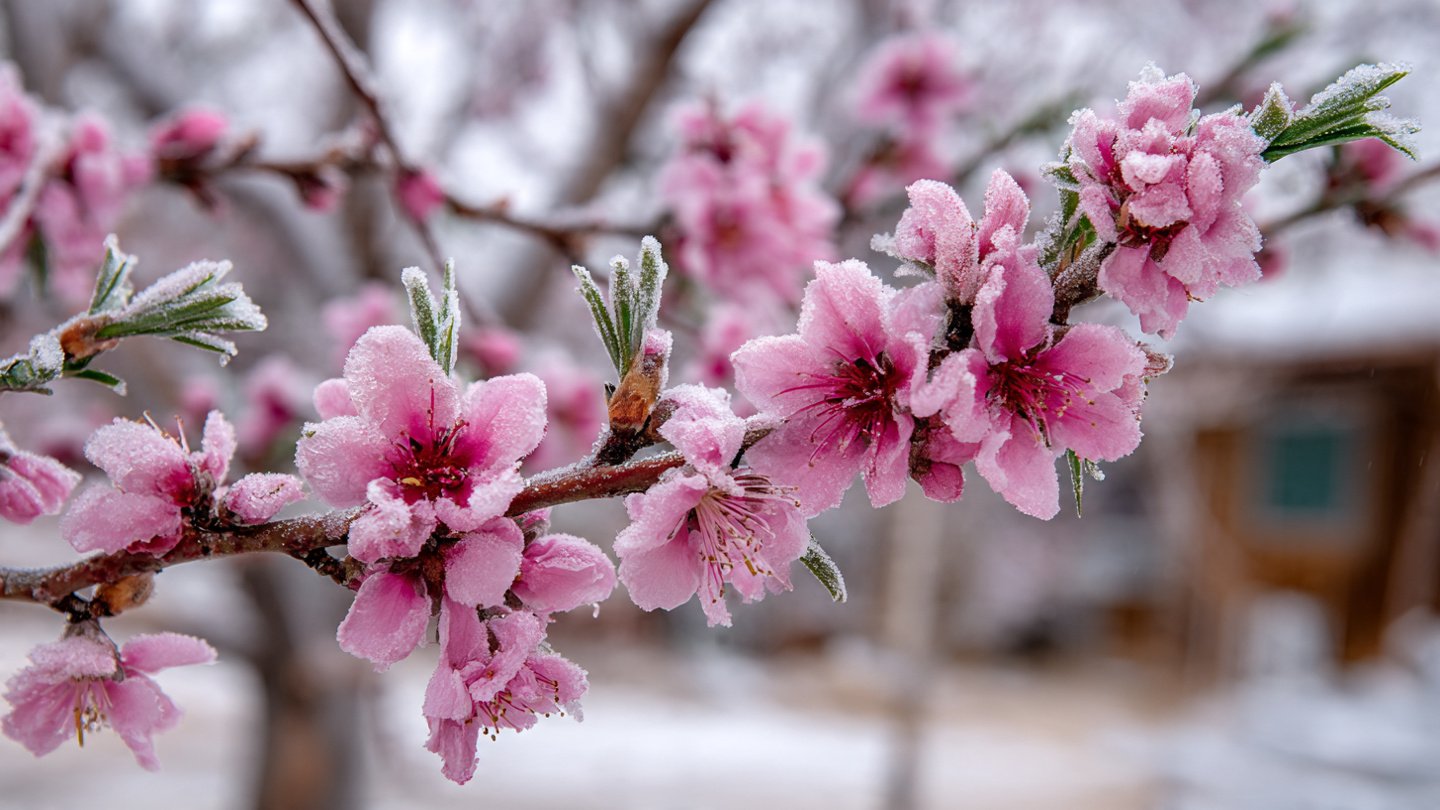
Peach trees are a beloved addition to home orchards and commercial farms alike. Their delicate pink blossoms, luscious fruits, and delightful fragrance make them a favorite in gardens and orchards. However, one of the biggest threats to peach production is late-season frost, which can severely damage blossoms, young shoots, and developing fruits, leading to reduced yield and economic loss. Protecting peach trees from frost is essential for ensuring healthy growth and a bountiful harvest. In this article, we explore the best strategies for safeguarding your peach trees from late-season frost damage.
Understanding Late-Season Frost
Late-season frost occurs when temperatures drop below freezing after the tree has started to bloom or set fruit. This typically happens in early spring, when daytime temperatures are rising but nights can still be cold.
Why Peach Trees Are Vulnerable:
- Early Blossoms: Peach trees bloom early, sometimes before the threat of frost has passed.
- Tender Growth: Young shoots, buds, and blossoms are highly sensitive to freezing temperatures.
- Water Content: The high water content in flowers and fruit buds makes them susceptible to ice formation and cellular damage.
Even a few hours of frost can destroy flowers, deform fruits, or kill young shoots. Understanding the timing and risk factors is the first step in preventing frost damage.
1. Choosing Frost-Resistant Varieties
One of the most effective long-term strategies is to select peach tree varieties with higher frost tolerance. Certain cultivars bloom slightly later, reducing the likelihood of frost exposure.
Tips for selecting frost-resistant peach trees:
- Choose late-blooming varieties if your area is prone to late spring frost.
- Look for cultivars with proven success in your USDA hardiness zone.
- Local nurseries or agricultural extensions often recommend varieties suited to regional frost patterns.
Late-blooming cultivars such as ‘Redhaven’, ‘Elberta’, or ‘Reliance’ are popular choices in regions prone to late frosts.
2. Site Selection and Orchard Planning
Where you plant your peach tree can significantly influence its vulnerability to frost.
Key Considerations:
- Elevation: Planting on higher ground or gentle slopes helps cold air drain away, reducing frost pockets.
- Airflow: Avoid low-lying areas where cold air settles. Good airflow prevents frost from lingering near the ground.
- Sun Exposure: South-facing slopes warm up more quickly during the day, reducing frost risk at night.
Proper site selection minimizes frost risk and ensures healthier tree growth.
3. Using Frost Cloths and Covers
Frost cloths, row covers, or blankets are an effective way to protect individual trees or small orchards.
How to use them:
- Cover trees completely before sunset when frost is expected.
- Ensure the cover reaches the ground to trap warmth from the soil.
- Remove the cover in the morning once temperatures rise above freezing.
Tips:
- Avoid plastic sheets directly on flowers, as they can cause frost burn. Use breathable frost cloths.
- For large orchards, portable hoops or low tunnels can support covers without crushing branches.
4. Using Mulch to Protect Roots
While mulch doesn’t prevent blossom frost, it helps protect the tree’s root system, keeping it warm and reducing overall stress.
Mulching Tips:
- Apply a 3–4 inch layer of organic mulch (straw, bark, or compost) around the base of the tree.
- Keep mulch 2–3 inches away from the trunk to prevent rot.
- Mulch helps retain soil warmth and moisture, creating a microclimate that benefits the tree during cold nights.
Healthy roots improve the tree’s ability to recover from minor frost damage.
5. Sprinkler Irrigation for Frost Protection
Using water to protect peach trees is a surprisingly effective technique. When applied correctly, water releases latent heat as it freezes, keeping flowers and buds slightly warmer than the surrounding air.
Steps for frost irrigation:
- Apply water using overhead sprinklers continuously throughout the frost event.
- Ensure full coverage of buds, blossoms, and young shoots.
- Maintain a steady flow until temperatures rise above freezing.
Important Notes:
- Overhead irrigation must be continuous; stopping too soon can worsen frost damage.
- This method is more practical for commercial orchards or small-scale setups with sufficient water supply.
6. Wind Machines and Fans
Frost damage is often worse in still air because cold air settles near the ground. Wind machines and orchard fans help circulate warmer air, preventing frost from settling on blossoms.
How to Use:
- Position fans strategically to move cold air out of low areas.
- Run fans during frost-prone nights until temperatures rise.
Wind machines are highly effective in larger orchards but can also be adapted for backyard orchards with portable fans.
7. Heaters and Orchard Fires
For small orchards or valuable trees, portable heaters or orchard fires can provide supplemental warmth during frost events.
Techniques:
- Use propane heaters, oil lamps, or smudge pots placed around trees.
- Fires should be spaced evenly to provide consistent heat.
- Take safety precautions to prevent accidental fires and ensure proper ventilation.
While labor-intensive and less sustainable, heating can save high-value trees during extreme frost events.
8. Timing Pruning Carefully
Pruning peach trees influences flowering and frost vulnerability.
Pruning Tips:
- Avoid heavy pruning in late winter or early spring, as it can trigger earlier flowering.
- Conduct major pruning during late summer or early fall to delay spring bloom slightly.
- Maintain open canopy structure to improve air circulation and reduce frost pockets.
Proper pruning not only helps manage tree health but also indirectly reduces frost damage risk.
9. Monitoring Weather Forecasts
Knowledge is power when it comes to frost protection.
- Use local weather forecasts and frost alerts to anticipate cold nights.
- Mobile apps or weather stations can provide real-time temperature monitoring.
- Prepare protective measures such as covers, heaters, or irrigation in advance.
Prompt action during frost warnings can mean the difference between saving your crop and losing your blossoms.
10. Post-Frost Care
Even with preventive measures, some frost damage may occur. Post-frost care helps peach trees recover:
- Prune Damaged Branches: Remove blackened or wilted buds and shoots to prevent disease.
- Fertilize: Apply balanced fertilizer to encourage new growth.
- Water: Ensure consistent moisture to reduce stress and promote recovery.
- Monitor for Pests: Frost-damaged trees are more vulnerable to pests and fungal infections.
With proper care, peach trees can often produce secondary blooms or compensate with healthy new growth.
Additional Tips for Frost-Prone Regions
- Plant Multiple Varieties: Staggering bloom times reduces risk of complete crop loss.
- Use Late-Blooming Rootstocks: Some rootstocks delay bloom slightly, offering extra protection.
- Community Strategies: Farmers often share resources like frost fans or water irrigation systems to protect entire orchards.
- Record-Keeping: Track frost events and successful strategies to improve future protection measures.
Conclusion
Late-season frost is a significant threat to peach trees, but with careful planning and preventive measures, damage can be minimized. Combining frost-resistant varieties, strategic site selection, mulching, irrigation, covers, and monitoring can save blossoms, young shoots, and developing fruits. Even in the face of unpredictable spring weather, proactive steps ensure healthier trees, higher yields, and more consistent harvests.
Protecting peach trees from frost is not just about avoiding losses—it’s about cultivating a resilient orchard that thrives year after year. By implementing these strategies, home gardeners and commercial growers alike can enjoy the beauty of peach blossoms, the bounty of sweet fruits, and the satisfaction of a sustainable and productive garden.
With a combination of knowledge, preparation, and timely action, late-season frost no longer needs to be a devastating obstacle. Instead, it becomes a challenge that can be managed effectively, allowing your peach trees to flourish and reward you with abundant harvests for years to come.