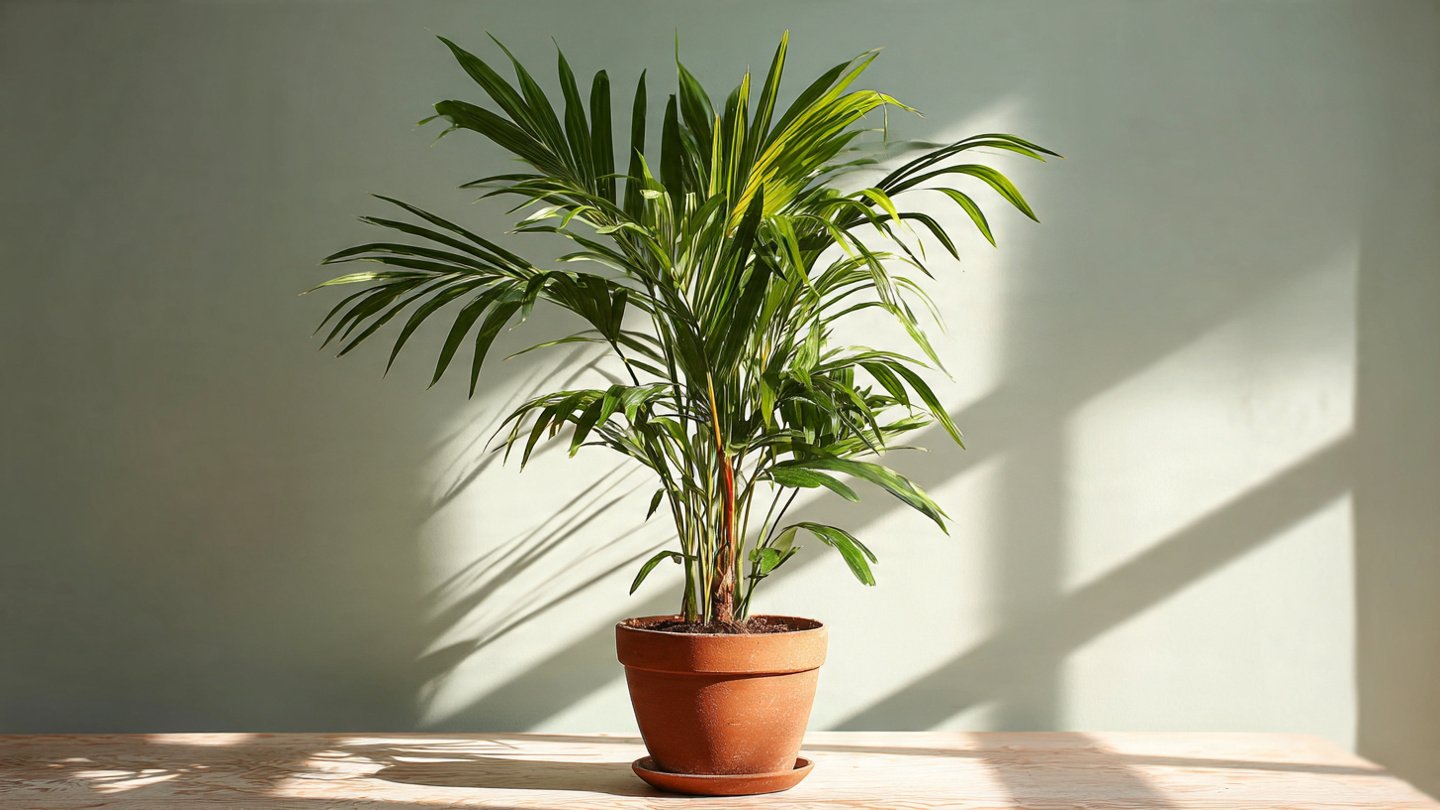
The Kentia Palm (Howea forsteriana) is a striking indoor plant that brings a touch of tropical elegance to homes, offices, and indoor spaces. Known for its graceful arching fronds, slow growth, and low-maintenance nature, it is one of the most popular palms for indoor gardening. For beginners, growing a Kentia Palm may seem intimidating, but with the right guidance, it can be a rewarding and simple experience.
This guide will walk you through everything beginners need to know about growing Kentia Palms indoors, from choosing the right plant to providing ideal care and maintaining its lush, green appearance.
Why Choose Kentia Palm for Indoor Gardening?
Kentia Palms have several qualities that make them ideal for indoor gardening:
- Low Maintenance – Unlike some tropical plants, Kentia Palms tolerate a range of indoor conditions.
- Air-Purifying – They help filter indoor air, removing toxins and improving air quality.
- Slow Growth – Their slow-growing nature means less frequent pruning or repotting.
- Elegant Appearance – Long, feathery fronds add a tropical, sophisticated feel to interiors.
- Beginner-Friendly – They tolerate occasional neglect better than many other indoor palms.
For those looking for a beautiful, low-maintenance indoor plant, the Kentia Palm is an excellent choice.
Choosing the Right Kentia Palm
The first step for successful indoor cultivation is selecting a healthy plant:
1. Look for Healthy Fronds
- Fronds should be deep green with no signs of yellowing or browning.
- Avoid palms with drooping or damaged leaves, which may indicate stress or poor care.
2. Inspect the Roots
- If buying potted plants, check for healthy, firm roots.
- Avoid plants with roots circling the pot excessively or showing signs of rot.
3. Consider Size
- Kentia Palms are slow-growing, so choose a size that fits your space.
- Smaller plants (1–2 feet) are easier for beginners and will gradually grow taller over the years.
Selecting a healthy plant sets the foundation for successful indoor growth and reduces early care challenges.
Ideal Location for Kentia Palm Indoors
Location is critical for the Kentia Palm’s health and growth. These palms are adaptable but thrive best under the following conditions:
1. Light
- Bright, indirect light is ideal.
- Avoid direct sunlight, which can scorch fronds.
- Low light is tolerated, but growth may be slower.
2. Temperature
- Kentia Palms prefer temperatures between 65–75°F (18–24°C).
- Avoid placing near heaters, air conditioners, or drafty windows, as sudden temperature changes can stress the plant.
3. Humidity
- Moderate to high humidity supports healthy growth.
- Indoor air, especially in winter, can be dry. Using a humidifier or placing a tray of water nearby can help.
Proper location ensures the Kentia Palm remains vibrant, with strong fronds and slow, steady growth.
Choosing the Right Pot and Soil
The pot and soil play a significant role in indoor palm health:
1. Pot Selection
- Use a pot with adequate drainage holes to prevent waterlogging.
- Medium-sized pots are ideal for beginners. Avoid oversized pots, which can lead to overwatering.
2. Soil Choice
- Kentia Palms prefer well-draining, fertile soil.
- A mixture of potting soil, sand, and perlite works well.
- Avoid heavy clay soils that retain too much moisture, leading to root rot.
The right pot and soil combination ensures roots stay healthy and the palm grows steadily without stress.
Watering Kentia Palm
Proper watering is crucial to prevent overwatering or underwatering, both common causes of stress:
1. Watering Frequency
- Water moderately when the top 1–2 inches of soil are dry.
- In warmer months, watering may be more frequent; reduce watering in winter.
2. Water Quality
- Avoid water with high salt content. Filtered or rainwater is ideal.
- Tap water may contain chlorine; letting it sit overnight can reduce chlorine content.
3. Drainage
- Always empty excess water from saucers to prevent stagnant water, which can cause root rot.
4. Signs of Overwatering
- Yellowing leaves, drooping fronds, or root rot.
- Adjust watering frequency and ensure soil drains properly.
5. Signs of Underwatering
- Browning tips, dry soil, and slow growth.
- Increase watering slightly and maintain consistent moisture.
Balanced watering promotes lush, green fronds and healthy root development.
Fertilizing Kentia Palm
Fertilization provides essential nutrients for steady growth:
1. Type of Fertilizer
- Use a slow-release palm fertilizer or a balanced indoor plant fertilizer.
- Organic options like compost or worm castings are safe and effective.
2. Fertilization Schedule
- Feed once every 2–3 months during the growing season (spring to early fall).
- Avoid fertilizing in winter when growth slows.
3. Avoid Over-Fertilization
- Excess fertilizer can burn roots and cause brown tips or yellowing fronds.
- Always follow package instructions carefully.
Proper fertilization ensures the Kentia Palm receives the nutrients it needs without stress or damage.
Maintaining Humidity and Air Quality
Kentia Palms thrive in moderate to high humidity and benefit from good air circulation:
1. Humidity Tips
- Use a humidifier or mist the leaves occasionally.
- Grouping plants together increases local humidity naturally.
- Avoid placing the palm directly under dry air vents.
2. Air Quality
- Avoid smoke or chemical fumes, which can stress the palm.
- Ensure gentle air circulation to prevent fungal issues while maintaining humidity.
Maintaining optimal humidity and air quality prevents brown leaf tips and stunted growth, supporting overall palm health.
Pruning and Leaf Care
Proper pruning helps maintain appearance and plant health:
1. Removing Damaged Fronds
- Trim fronds with brown or yellow tips using clean scissors.
- Avoid cutting healthy green fronds, as they are essential for photosynthesis.
2. Cleaning Leaves
- Wipe fronds with a damp cloth to remove dust.
- Clean leaves improve photosynthesis and overall plant vigor.
3. Avoid Over-Pruning
- Remove only damaged or dead fronds.
- Over-pruning can stress the plant and slow growth.
Routine pruning ensures the palm remains attractive, healthy, and stress-free.
Common Problems and How to Solve Them
Even beginner Kentia Palm growers may encounter minor issues. Understanding common problems helps maintain healthy growth:
1. Brown Leaf Tips
- Causes: low humidity, inconsistent watering, salt accumulation, or over-fertilization.
- Solutions: adjust watering, increase humidity, flush soil, and prune affected tips.
2. Yellow Leaves
- Causes: overwatering or nutrient deficiency.
- Solutions: check drainage, reduce watering, and provide balanced fertilizer.
3. Pests
- Common pests include spider mites and scale insects.
- Solutions: wipe leaves with soapy water, neem oil, or insecticidal sprays.
Early intervention keeps the Kentia Palm healthy and thriving without extensive corrective measures.
Repotting Kentia Palm
Kentia Palms grow slowly but benefit from occasional repotting:
- Repot every 3–4 years or when roots outgrow the pot.
- Choose a pot slightly larger than the current one.
- Refresh soil to replenish nutrients and improve drainage.
Repotting supports root health and long-term growth, making the palm more resilient indoors.
Conclusion
Growing a Kentia Palm indoors is simple, rewarding, and perfect for beginners. By providing the right light, temperature, humidity, and care, your palm will thrive as a beautiful, low-maintenance addition to your home.
Key Takeaways:
- Select a healthy Kentia Palm with green fronds and firm roots.
- Provide bright, indirect light and stable indoor temperatures.
- Water consistently, ensuring proper drainage and soil moisture.
- Fertilize moderately during the growing season, avoiding excess.
- Maintain humidity and clean fronds to prevent stress and pests.
- Prune damaged leaves carefully and repot every few years.
With patience and attention to these basic care principles, your Kentia Palm will grow gracefully, with lush fronds that enhance your living space for years to come.