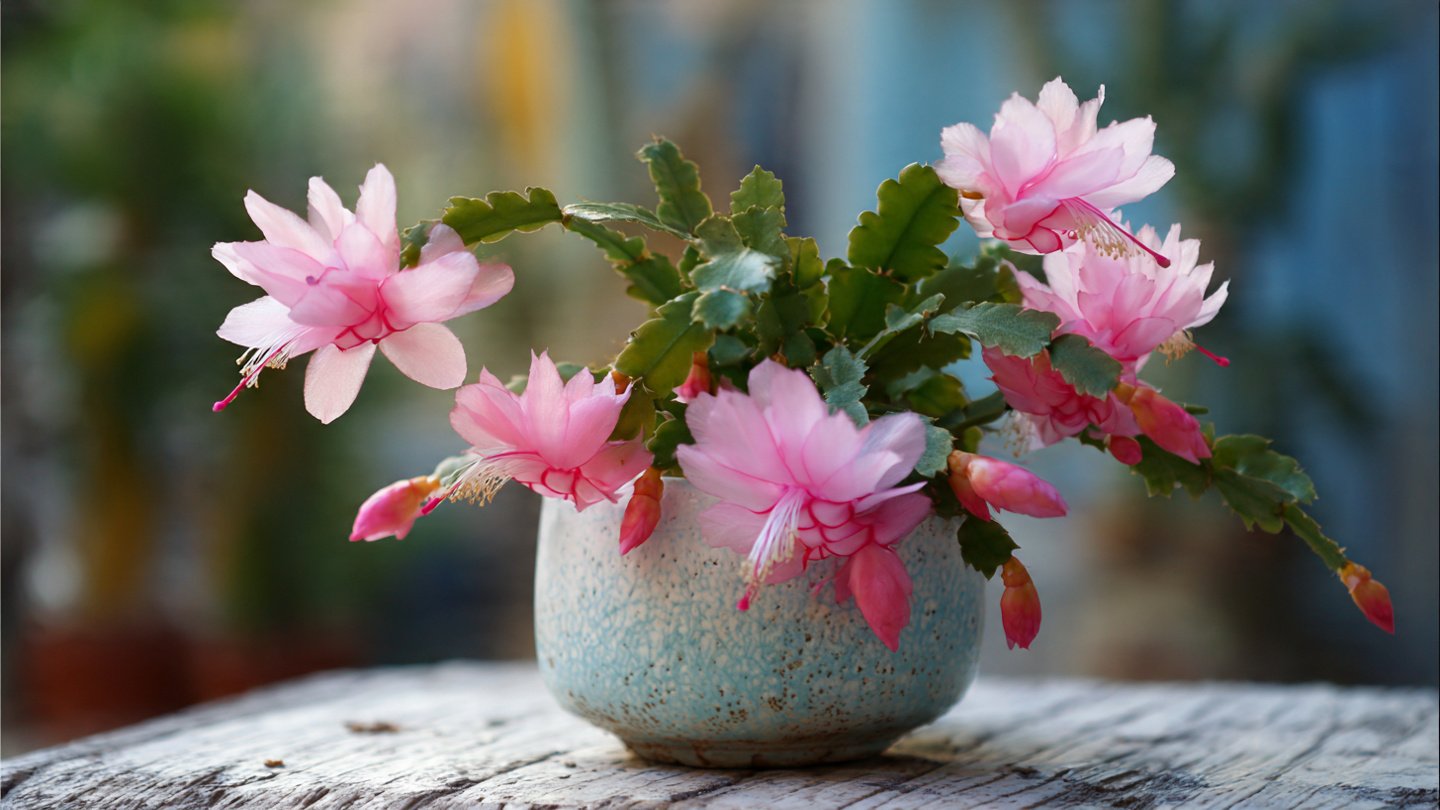
Holiday cactus, with its bright, vibrant blooms appearing during the festive season, is one of the most beloved decorative plants worldwide. Unlike desert cacti, these tropical beauties thrive in humid, shaded environments and can be grown outdoors with surprisingly minimal effort. Whether you’re a beginner or an experienced gardener, growing holiday cactus outdoors can add lush greenery and cheerful flowers to your garden or patio. This guide breaks down a simple, easy-to-follow method to grow your holiday cactus successfully.
Why Grow Holiday Cactus Outdoors?
Holiday cactus, also known as Schlumbergera, is native to the Brazilian rainforests. While commonly grown indoors, planting it outdoors offers several advantages:
- Natural environment: Outdoors, the cactus enjoys bright, filtered sunlight, mimicking its natural habitat.
- Larger growth: Outdoor plants can grow fuller and produce more blooms compared to indoor plants.
- Ease of care: Outdoor planting reduces the need for frequent watering, as rain can help maintain moisture levels.
- Decorative appeal: Adds vibrant color and lush foliage to garden beds, patios, or balconies.
With minimal effort, outdoor holiday cactus can thrive and bloom beautifully every year.
Understanding the Holiday Cactus
To grow holiday cactus successfully, it’s important to know its characteristics:
- Botanical name: Schlumbergera truncata or Schlumbergera bridgesii
- Growth type: Epiphytic cactus with segmented, flat stems
- Flowering: Bright pink, red, white, or purple flowers in winter or early spring
- Climate: Prefers warm, humid, and partially shaded conditions
- Soil preference: Well-draining, slightly acidic soil
Unlike desert cacti, holiday cactus requires moist, nutrient-rich soil and indirect sunlight to thrive outdoors.
Choosing the Right Location
Choosing the right spot is crucial for outdoor success:
- Light: Holiday cactus prefers partial shade, such as under trees or a covered patio. Avoid direct harsh sunlight, which can scorch the leaves.
- Protection from wind: Place in a spot shielded from strong winds that can damage segmented stems.
- Temperature: Ideal daytime temperature is 15–25°C (59–77°F). Protect plants if temperatures drop below 10°C (50°F).
- Drainage: Choose slightly elevated spots or areas with well-draining soil to prevent waterlogging.
A carefully chosen location ensures healthy growth and abundant blooms with minimal effort.
Selecting Healthy Plants
Outdoor success begins with choosing the right plant:
- Nursery plants: Purchase a healthy, established holiday cactus from a nursery for easier outdoor planting.
- Check stems: Look for firm, green segments with no signs of rot or pests.
- Roots: If buying potted plants, ensure the roots are healthy and not overcrowded.
- Propagation: You can also propagate new plants from healthy stem cuttings.
Starting with a healthy plant significantly increases survival rates and bloom success.
Preparing the Soil
Holiday cactus thrives in well-draining, slightly acidic soil:
- Soil mix: Combine garden soil, peat moss, and coarse sand in equal parts. This replicates the plant’s natural epiphytic conditions.
- pH level: Aim for a slightly acidic range of 5.5–6.5.
- Organic matter: Adding compost or aged leaf mold improves nutrient content and moisture retention.
Good soil prevents root rot and nutrient deficiencies, ensuring a vigorous outdoor plant.
Planting the Holiday Cactus Outdoors
Planting holiday cactus outdoors is simple:
- Dig a hole twice as wide as the pot or root ball.
- Place the plant carefully, spreading roots gently if removed from a pot.
- Fill around the roots with prepared soil, keeping the top of the stem just above the soil surface.
- Press lightly to remove air pockets, then water thoroughly.
- Mulch lightly around the base to retain moisture and suppress weeds.
Proper planting ensures the cactus adapts quickly to its new outdoor environment.
Watering and Moisture
Unlike desert cacti, holiday cactus prefers regular moisture:
- Water lightly but consistently, allowing the top inch of soil to dry slightly between watering.
- Outdoor plants may receive natural rainfall, but in dry periods, supplement watering to maintain soil moisture.
- Avoid waterlogging, as standing water can cause root rot.
Consistent moisture promotes healthy segmented growth and flowering with minimal effort.
Fertilizing for Optimal Growth
Fertilization helps your holiday cactus thrive and bloom outdoors:
- Use a balanced, water-soluble fertilizer every 4–6 weeks during the growing season (spring to fall).
- Reduce or stop fertilization in winter when the plant enters dormancy.
- Fertilizers rich in phosphorus encourage more flower buds.
With proper fertilization, your outdoor holiday cactus will produce more abundant and vibrant blooms.
Providing Support
Outdoor holiday cactus can grow long, trailing stems:
- Use a trellis, hanging basket, or wall support to train branches.
- Avoid letting stems trail on the ground, which may cause breakage or rot.
- Light pruning of overly long or damaged stems encourages dense, healthy growth.
Supports also enhance the plant’s decorative appeal, creating a cascading, vibrant display.
Pest and Disease Management
While outdoor plants are generally resilient, some pests and diseases may appear:
- Mealybugs and aphids: Wipe off with a damp cloth or spray with neem oil.
- Spider mites: Increase humidity or mist lightly to prevent infestations.
- Fungal issues: Ensure proper drainage and avoid wetting the stems excessively.
Early intervention keeps the cactus healthy, green, and flowering abundantly.
Encouraging Blooming
Holiday cactus blooms best under certain conditions:
- Shorter daylight hours in autumn and winter trigger flowering.
- Maintain cool nighttime temperatures (12–15°C / 54–59°F) to encourage buds.
- Avoid disturbing the plant during bud formation, as broken segments may reduce blooms.
- Remove spent flowers promptly to encourage new blooms.
Following these steps ensures a bright, festive display of flowers every holiday season.
Minimal Effort Tips
One of the advantages of outdoor holiday cactus is low-maintenance growth:
- Plant in a semi-shaded location to avoid daily watering.
- Use mulch to retain moisture naturally.
- Let rainfall partially water the plant, supplementing only in dry periods.
- Provide support and occasional pruning to maintain shape and prevent overcrowding.
- Fertilize occasionally, not excessively.
By following these tips, your outdoor holiday cactus thrives with minimal effort while providing stunning blooms.
Propagation for More Plants
Holiday cactus is easy to propagate from stem cuttings:
- Take 2–3 segment cuttings from a healthy parent plant.
- Let the cuttings dry for a day to form a callus.
- Plant in well-draining soil, keeping them slightly moist.
- Roots form in 2–3 weeks, producing new plants.
Propagation allows you to expand your collection or share festive plants with friends and family.
Using Outdoor Holiday Cactus in Garden Decor
- Hanging baskets: Showcase trailing blooms on patios or balconies.
- Garden beds: Plant along shaded borders for seasonal color.
- Mixed containers: Combine with ferns or other tropical plants for lush arrangements.
- Festive decoration: Blooms appear around the holidays, adding seasonal cheer.
Outdoor holiday cactus can transform ordinary garden spaces into colorful, festive areas.
Conclusion
Growing holiday cactus outdoors is easy, rewarding, and visually stunning. With the right location, soil, watering, and minimal maintenance, even beginners can enjoy lush greenery and vibrant blooms every season.
Key takeaways:
- Choose healthy plants or cuttings for outdoor planting.
- Plant in well-draining, slightly acidic soil in semi-shade.
- Maintain consistent moisture without overwatering.
- Provide support for trailing stems and prune lightly as needed.
- Fertilize occasionally to encourage growth and blooming.
- Protect from extreme temperatures and pests.
- Allow shorter daylight and cooler nights in autumn to trigger flowering.
By following these steps, your outdoor holiday cactus will flourish with minimal effort, giving you a festive, colorful display year after year.