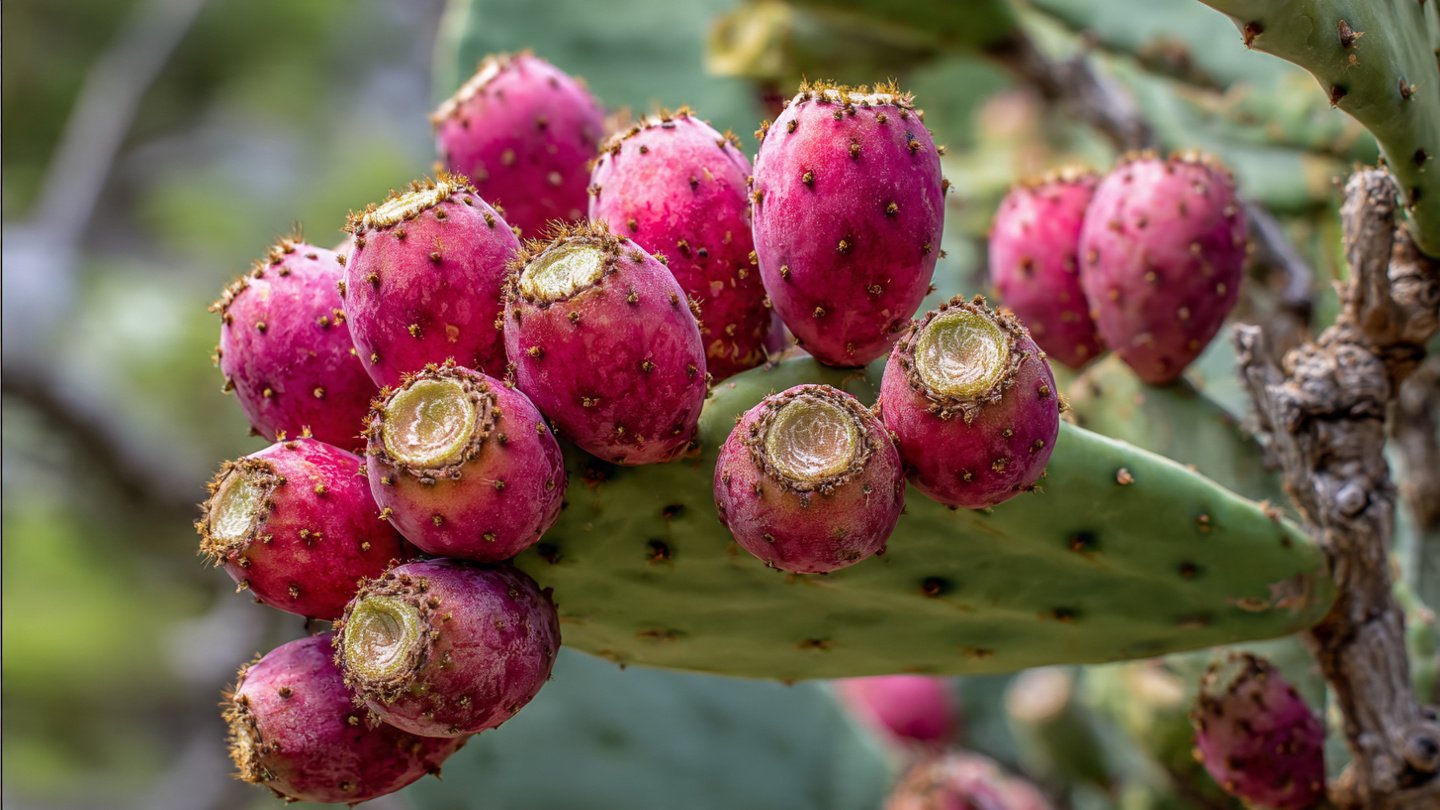
Sustainable gardening is all about creating beautiful, functional, and eco-friendly landscapes while minimizing resource use. One plant that perfectly fits this philosophy is the prickly pear cactus (Opuntia spp.). Known for its vibrant pads, colorful flowers, and edible fruits, the prickly pear is both an ornamental and a productive addition to any garden. Whether you live in a dry climate, have limited water resources, or simply want a low-maintenance edible landscape, growing prickly pear can transform your garden into a resilient and visually appealing space. In this guide, we explore everything you need to know about cultivating prickly pear as a sustainable edible landscape plant.
Why Choose Prickly Pear for Sustainable Gardening
Prickly pear cacti are a remarkable combination of beauty, functionality, and utility. They are drought-tolerant, require minimal maintenance, and provide edible fruits and pads that can be incorporated into various culinary dishes. Here are some reasons to grow prickly pear:
- Drought Tolerance: Once established, prickly pear survives long periods without water, making it ideal for xeriscaping and arid regions.
- Edible and Nutritious: Both the pads (nopales) and fruits (tunas) are edible, rich in vitamins, fiber, and antioxidants.
- Low Maintenance: Prickly pear requires little fertilization, minimal pruning, and is generally pest-resistant.
- Erosion Control: The root system helps stabilize soil on slopes or in sandy areas.
- Pollinator-Friendly: Its bright flowers attract bees, butterflies, and other beneficial insects.
- Aesthetic Appeal: Upright pads, seasonal blooms, and colorful fruits make it a unique ornamental feature.
By incorporating prickly pear into a sustainable garden, you get a plant that is both beautiful and productive, reducing water usage and providing edible harvests.
Selecting the Right Variety
Prickly pear cacti come in many species, each with distinct characteristics. When choosing a variety for your garden, consider the following:
- Opuntia ficus-indica: Most commonly grown for edible pads and fruits; large pads and sweet, red or purple fruits.
- Opuntia humifusa: Hardy, low-growing species suitable for ground cover and smaller gardens.
- Opuntia engelmannii: Produces large, bright yellow flowers and edible fruits; ideal for striking landscape features.
- Spineless Varieties: Easier to handle and harvest, especially in family gardens.
For edible landscapes, Opuntia ficus-indica is preferred due to its productivity, size, and vibrant appearance. Spineless or reduced-spine varieties are also excellent choices for safe handling.
Choosing the Right Location
Prickly pear thrives in sunny, well-drained locations. Consider these factors when selecting a planting site:
- Sunlight: Full sun (at least 6–8 hours daily) is ideal for optimal growth, flowering, and fruiting.
- Soil Type: Sandy, loamy, or rocky soils with excellent drainage work best. Avoid waterlogged soils, which can cause root rot.
- Space: Allow enough space for the cactus to spread. Pads can grow horizontally and vertically, so spacing of 4–6 feet between plants is recommended.
- Microclimate: Protect young plants from frost; mature prickly pears are generally frost-tolerant in mild climates.
A sunny, open area not only ensures healthy growth but also promotes vibrant flowering and fruit production.
Planting Prickly Pear
Prickly pear can be propagated from seeds, cuttings (pads), or nursery-grown plants. Pad cuttings are the fastest and most reliable method for establishing edible landscape plants.
Steps for Planting from Cuttings:
- Select Healthy Pads: Choose mature, firm pads without damage or disease.
- Cure the Cuttings: Allow the cut end to dry for 1–2 weeks in a shaded, dry area. This prevents rot when planted.
- Prepare the Soil: Dig a hole about 6–8 inches deep, enriched with organic matter if needed for initial nutrients.
- Plant the Cutting: Insert the cut end into the soil, burying 2–3 inches. Firm the soil gently.
- Watering: Water lightly after planting and then sparingly until roots establish (usually 2–3 weeks).
Tip: When planting multiple cacti, stagger spacing to allow each plant to grow fully without overcrowding.
Planting from Seeds:
While growing from seeds is possible, it is slower and requires patience. Seeds should be soaked for 24 hours before planting, then sown in well-drained soil and kept moist until germination. Seed-grown plants may take 1–2 years to reach maturity.
Caring for Prickly Pear in Your Landscape
Once established, prickly pear is remarkably low-maintenance. Proper care ensures optimal growth, flower production, and fruit yield.
Watering
Prickly pear is drought-tolerant but benefits from occasional watering during prolonged dry periods. Avoid overwatering, as saturated soil can cause root rot. During fruiting, a moderate watering schedule can improve size and sweetness.
Fertilization
Fertilize sparingly. Mature plants require little additional nutrients. A balanced fertilizer applied once or twice a year encourages healthy pads and fruit production. Organic compost or slow-release fertilizers are ideal.
Pruning
Pruning is minimal but helps shape the plant, remove damaged pads, and maintain aesthetics. Use gloves and tongs for safe handling, especially with spiny varieties. Cut damaged or overcrowded pads to allow sunlight penetration and airflow.
Pest and Disease Management
Prickly pear is generally pest-resistant, but occasional problems can occur:
- Scale Insects: Remove by hand or apply organic insecticidal soap.
- Cochineal Insects: Can be harvested for natural dye but controlled if excessive.
- Fungal Diseases: Ensure good drainage and airflow to prevent rot.
Tip: Regular inspection helps prevent minor issues from becoming serious problems.
Harvesting Edible Pads and Fruits
Prickly pear offers dual harvests: nopales (pads) and tunas (fruits).
Harvesting Pads:
- Young, tender pads (3–6 inches long) are best for culinary use.
- Use tongs or gloves to avoid spines, even with spineless varieties.
- Cut pads at the base, leaving the older pads to continue growth.
- Pads can be used in salads, stews, stir-fries, and grilled dishes.
Harvesting Fruits:
- Fruits turn red, purple, or yellow depending on the variety when ripe.
- Use tongs or gloves to pick the fruit carefully.
- Wash and peel the thick skin before consuming.
- Fruits can be eaten fresh, juiced, or used for jams, jellies, and desserts.
Tip: Regular harvesting encourages new pad and fruit growth while preventing overripening.
Benefits of Using Prickly Pear in Your Landscape
- Sustainable Gardening: Minimal water and maintenance reduce environmental impact.
- Edible Landscaping: Provides both aesthetic appeal and fresh produce.
- Pollinator Support: Flowers attract bees, butterflies, and other beneficial insects.
- Erosion Control: Roots stabilize soil on slopes or in poor soil areas.
- Low-Cost Maintenance: Requires little labor and reduces reliance on chemical inputs.
- Educational Value: Teaches children and gardeners about desert-adapted plants, sustainable food sources, and edible landscaping.
Creative Landscape Uses
Prickly pear cacti can be incorporated into gardens in creative ways:
- Borders and Hedges: Create natural barriers with tall, dense prickly pear clusters.
- Containers and Raised Beds: Spineless varieties work well in pots for patios or balconies.
- Xeriscaping: Combine with other drought-tolerant plants like agave, aloe, and lavender for a sustainable desert-themed garden.
- Pollinator Gardens: Plant near flowers to attract beneficial insects for improved biodiversity.
Its architectural form, colorful blooms, and edible produce make prickly pear a multifunctional plant in modern sustainable landscaping.
Conclusion
Growing prickly pear as an edible landscape plant is a perfect example of combining sustainability, beauty, and productivity in gardening. With minimal water requirements, low maintenance, and the added benefit of edible pads and fruits, prickly pear enhances both the aesthetic and functional value of your garden. By carefully selecting varieties, preparing well-drained soil, and following proper planting, watering, and harvesting techniques, anyone can successfully cultivate prickly pear, even in challenging climates.
Whether you are a beginner gardener or an experienced landscaper, incorporating prickly pear into your sustainable garden offers a unique, resilient, and delightful addition. Its striking presence, nutritional value, and ecological benefits make it a must-have for anyone looking to grow edible landscapes that are beautiful, productive, and environmentally responsible.
With a little planning and care, prickly pear cacti can transform your garden into a thriving, low-maintenance, and visually captivating sustainable oasis. Start today and enjoy the beauty, bounty, and benefits of this remarkable plant for years to come.