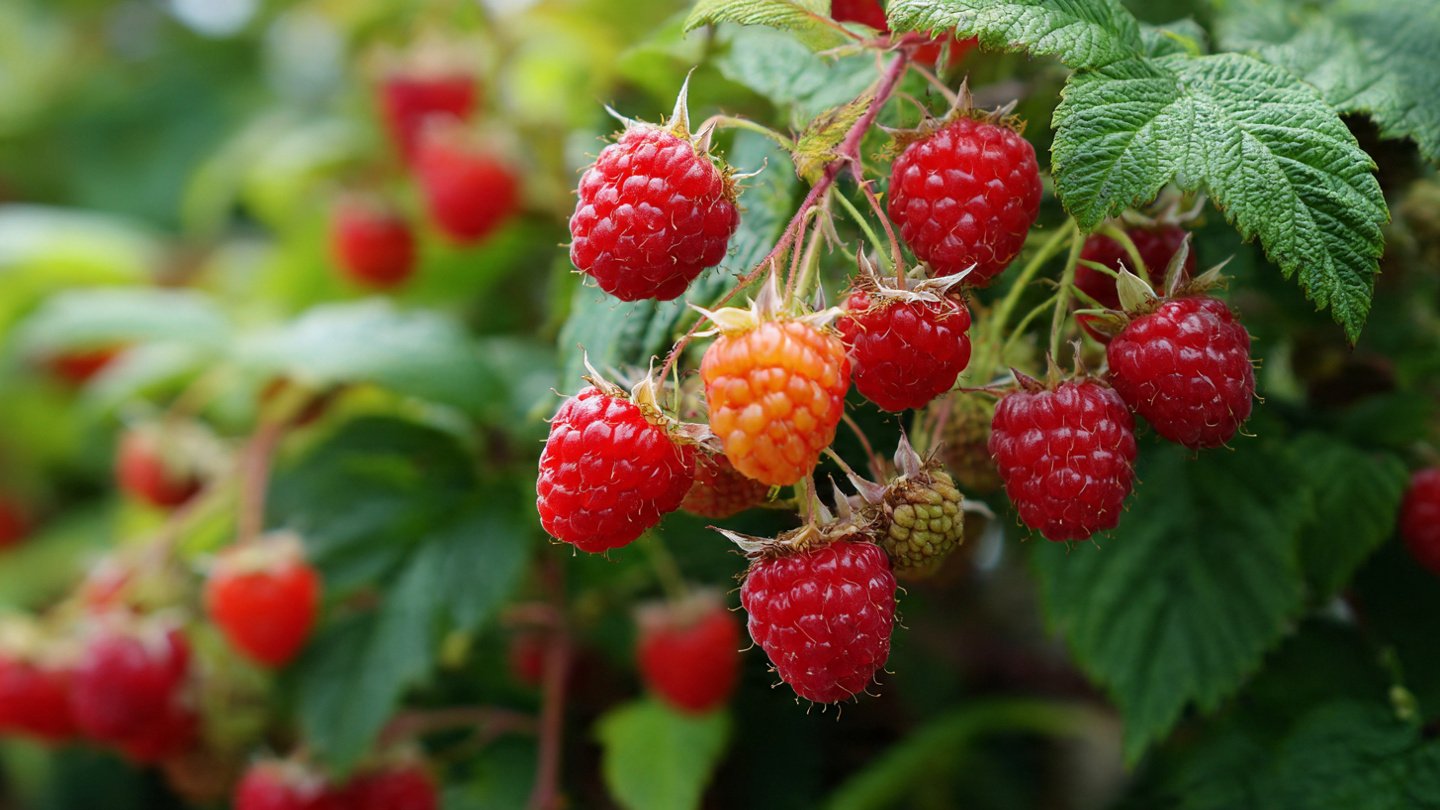
Berry bushes are a gardener’s delight. Whether it’s plump blueberries, juicy raspberries, or tangy blackberries, these plants provide not only delicious fruits but also vibrant foliage that adds charm to any garden. However, many berry growers struggle with low yields, small berries, or diseased plants — problems that often stem from improper or inconsistent pruning.
Pruning is more than just cutting back branches. It is an essential horticultural practice that promotes healthy growth, improves airflow, controls pests, and maximizes fruit production. Done correctly, pruning ensures your berry bushes remain vigorous, productive, and visually appealing for years. This ultimate guide will walk you through the benefits, timing, techniques, and tips for pruning all types of berry bushes to achieve maximum yield and long-term plant health.
Why Pruning is Essential for Berry Bushes
Pruning might seem intimidating, but its benefits are undeniable:
- Increased Fruit Production – Removing old, weak, or overcrowded branches encourages new growth, which bears more fruit.
- Improved Fruit Quality – Pruned bushes produce larger, juicier berries by focusing the plant’s energy on fewer, stronger stems.
- Better Air Circulation – Reduces the risk of fungal infections like powdery mildew and botrytis, which thrive in dense foliage.
- Disease and Pest Prevention – Eliminating dead or diseased branches helps prevent infestations and the spread of pathogens.
- Easier Harvesting – Proper pruning keeps bushes manageable, making picking easier and less stressful on the plant.
Understanding the purpose of pruning sets the foundation for effective techniques.
When to Prune Berry Bushes
The timing of pruning varies depending on the type of berry and its growth habit:
1. Raspberries
- Summer-bearing varieties – Prune immediately after harvest. These plants fruit on two-year-old canes (floricanes). Cut spent canes to the ground to make way for new growth.
- Ever-bearing (Fall-bearing) varieties – Can be pruned in late winter or early spring before new growth begins, or after the fall harvest for a single crop the following year.
2. Blackberries
- Prune in late winter or early spring before bud break. Remove dead or weak canes and thin out crowded stems.
- Summer-bearing blackberries fruit on second-year canes, while primocanes (first-year canes) grow vegetatively.
3. Blueberries
- Prune in late winter while the plant is dormant. Focus on removing older, less productive branches and shaping the bush.
- Avoid heavy pruning of young plants; focus on maintaining strong structural branches.
4. Currants and Gooseberries
- Best pruned in late winter or early spring while dormant. Remove older stems to encourage new growth, which produces more abundant berries.
Timing pruning correctly ensures minimal stress and optimal fruit production.
Essential Tools for Pruning
Having the right tools makes pruning easier, safer, and more effective:
- Hand Pruners – Ideal for small branches up to 1/2 inch thick.
- Loppers – Perfect for medium branches up to 1 inch in diameter.
- Pruning Saw – Necessary for thick, woody stems.
- Gloves – Protects hands from thorns and rough stems.
- Disinfectant – Sterilize tools before and after use to prevent spreading disease.
Keeping tools sharp and clean ensures precise cuts that heal quickly and reduce the risk of infection.
Pruning Techniques for Maximum Yield
Different berry species require slightly different pruning approaches. Here are proven techniques for each type:
1. Raspberry Pruning
- Remove Spent Canes – Cut floricanes that produced fruit down to the base immediately after harvest.
- Thin Primocanes – Retain 6–8 strong canes per linear foot. Thin weak or crowded shoots to reduce competition.
- Tip Pruning – Pinch the tops of primocanes in early summer to encourage lateral branching and more flowers next year.
2. Blackberry Pruning
- Remove Dead Canes – Cut back any canes that fruited last year or show signs of disease.
- Select Strong Canes – Keep 4–6 strong canes per plant, spacing them evenly.
- Tip Pruning – Shorten primocanes to 3–4 feet to encourage lateral growth and more fruiting laterals.
3. Blueberry Pruning
- Remove Old Wood – Cut older canes (4–5 years) at the base to make room for new shoots.
- Thin Out Crowded Branches – Ensure sunlight reaches the center of the bush.
- Shape the Plant – Maintain an open, vase-like structure for better air circulation and easier harvesting.
4. Currants and Gooseberries
- Remove Older Stems – Cut 1–3 of the oldest stems each year to promote new growth.
- Thin New Shoots – Maintain 8–12 strong stems for red currants and 6–8 for black currants.
- Tip Pruning – Cut tips of new growth to encourage lateral branches with flowers.
Common Mistakes to Avoid
Pruning mistakes can reduce yield, weaken plants, or encourage disease:
- Over-Pruning – Removing too many canes or branches reduces fruit production and stresses the plant.
- Pruning at the Wrong Time – Cutting during active growth can remove potential fruiting wood.
- Neglecting Dead or Diseased Wood – Allows disease to spread and reduces plant vigor.
- Ignoring Spacing – Failing to thin plants leads to poor air circulation and smaller fruits.
- Improper Cuts – Leaving jagged or torn cuts slows healing and invites infection.
Avoiding these mistakes ensures healthy bushes and abundant berries.
Encouraging Bigger Berries and Higher Yields
Pruning is just one part of the equation. Combine it with these techniques for maximum results:
- Fertilization – Use berry-specific organic fertilizers rich in nitrogen, phosphorus, and potassium. Blueberries benefit from acidic fertilizers.
- Mulching – Apply organic mulch to conserve moisture, regulate soil temperature, and suppress weeds.
- Watering – Maintain consistent soil moisture during flowering and fruiting; drip irrigation is ideal.
- Pest and Disease Management – Remove infected leaves, encourage beneficial insects, and use organic sprays like neem oil if necessary.
- Support Structures – Trellises for raspberries and blackberries help prevent sprawling, improve sunlight exposure, and reduce fungal issues.
Long-Term Benefits of Pruning
Regular pruning has benefits beyond immediate fruit yield:
- Improved Plant Health – Removing old, diseased, or crowded branches reduces stress and susceptibility to pests.
- Extended Lifespan – Proper pruning keeps plants vigorous and productive for many years.
- Consistent Harvests – Annual pruning ensures that fruiting cycles remain predictable and manageable.
- Better Fruit Size – By directing the plant’s energy toward fewer, stronger canes, you get bigger, juicier berries.
Pruning is an investment in the long-term productivity and health of your berry bushes.
Step-by-Step Pruning Plan
- Winter/Dormant Pruning – Remove dead, damaged, or weak canes; thin to maintain spacing; shape the bush.
- Summer/After-Harvest Pruning – Remove spent fruiting canes from raspberries and blackberries; tip new growth if needed.
- Maintenance Pruning – Throughout the growing season, remove diseased leaves, suckers, or broken stems.
- Annual Review – Each year, assess the overall structure and health of the bush and adjust pruning strategy as necessary.
By following this schedule, you can optimize both yield and berry quality year after year.
Conclusion
Pruning is the key to unlocking the full potential of your berry bushes. By understanding the growth habits of each type of berry, choosing the right timing, using proper tools, and applying proven techniques, you can significantly increase your yield, produce bigger and sweeter fruits, and maintain healthy, vigorous plants for many seasons.
Remember, pruning is not just about cutting back — it’s about strategic removal and shaping that directs the plant’s energy toward fruiting, improves airflow, and reduces disease risk. Combined with proper fertilization, watering, and pest management, pruning ensures your garden produces an abundance of berries that are a joy to harvest and eat.
Whether you grow blueberries, raspberries, blackberries, or currants, consistent, thoughtful pruning will reward you with maximum yield, healthier bushes, and years of fruitful harvests. Mastering the art of pruning is the secret to a successful and productive berry garden.