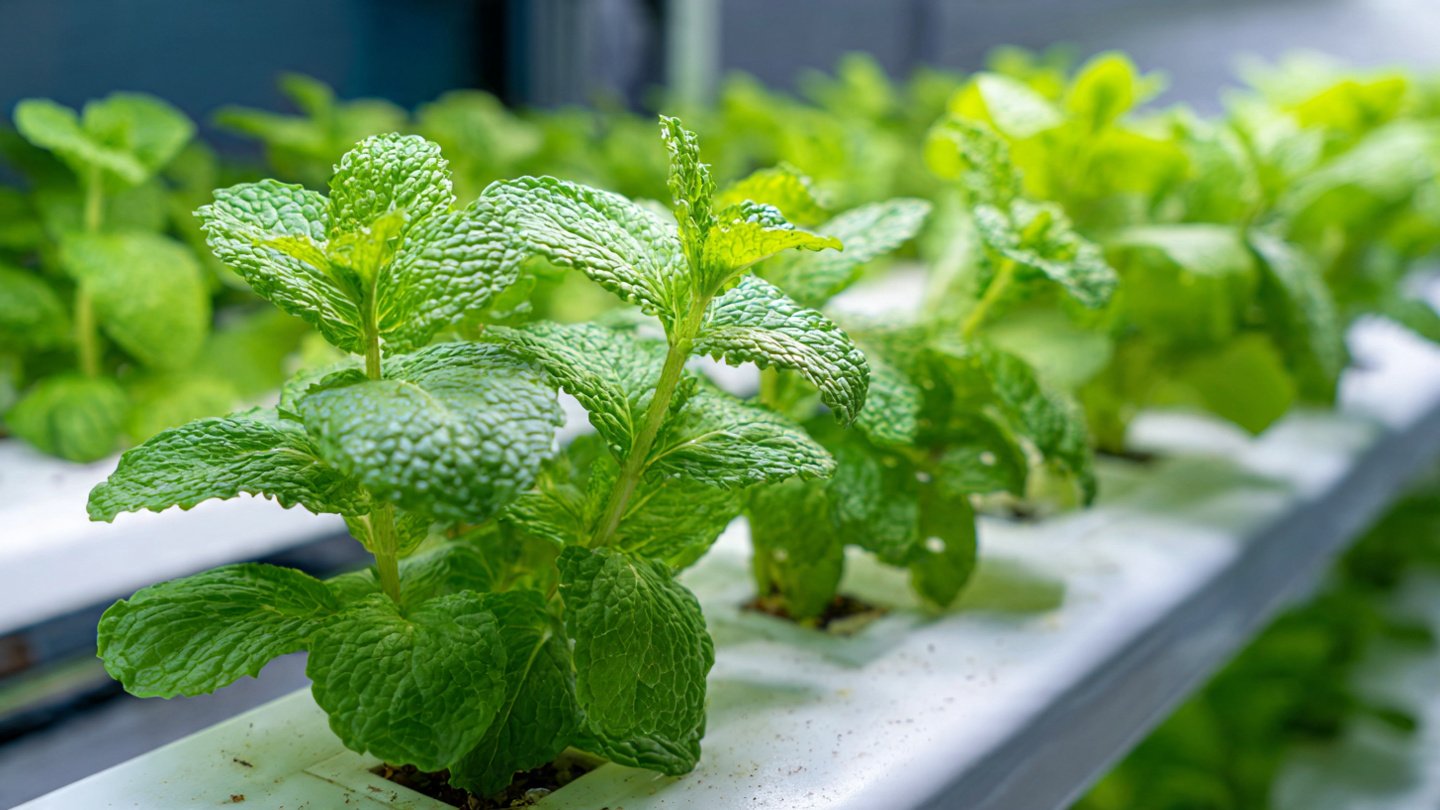
Mint is one of the most popular and versatile herbs grown in home gardens. Its refreshing aroma, culinary uses, and medicinal properties make it a must-have plant for any gardener. However, mint is notorious for being both vigorous and sensitive—especially when it comes to water management. Overwatering or poor drainage can easily lead to root rot, a common problem that can destroy a mint plant in a matter of days.
This comprehensive guide will cover effective strategies for growing healthy mint plants while preventing root rot. From choosing the right varieties to watering practices, soil preparation, and container care, you’ll learn everything needed to cultivate thriving mint plants.
Understanding Root Rot in Mint Plants
Root rot is a fungal disease that affects the roots of plants, causing them to become soft, discolored, and unable to absorb water and nutrients effectively. In mint, root rot is often caused by pathogens like Pythium, Phytophthora, and Fusarium, which thrive in overly wet or poorly drained soil.
Signs of Root Rot in Mint
- Yellowing or wilting leaves despite adequate watering
- Foul or musty smell from the soil
- Soft, brown, or black roots
- Stunted growth or sudden plant death
Preventing root rot is easier than treating it, making proper planting and care practices essential.
Step 1: Choosing the Right Mint Variety
There are dozens of mint varieties, but some are more resilient and adaptable to container or garden growing:
- Spearmint (Mentha spicata) – Mild flavor, vigorous growth, suitable for containers
- Peppermint (Mentha × piperita) – Strong aroma, hybrid variety, prefers well-drained soil
- Chocolate Mint – Unique flavor, moderate growth, great for pots
- Apple Mint – Hardy, spreads quickly, ideal for raised beds
For beginners, spearmint and peppermint are highly recommended due to their vigor and adaptability.
Step 2: Selecting Healthy Mint Plants or Seeds
Healthy plants are the foundation of a robust mint garden:
- Seed Selection – Purchase fresh seeds from reputable suppliers. Mint seeds are tiny; start them in seed trays or small pots.
- Transplants – Choose young, vibrant plants with healthy green leaves and firm roots. Avoid plants with yellowing leaves or mushy roots.
Starting with disease-free material greatly reduces the risk of root rot.
Step 3: Soil Preparation and Drainage
Soil quality is the most crucial factor in preventing root rot. Mint prefers slightly acidic to neutral soil (pH 6–7) that is rich in organic matter.
Tips for Optimal Soil
- Well-Draining Soil Mix – Combine garden soil with compost, sand, or perlite to ensure drainage.
- Raised Beds or Containers – Planting mint in raised beds or pots prevents water accumulation.
- Avoid Heavy Clay – Clay soils retain too much moisture, increasing the risk of root rot.
- Mulching – Use organic mulch to retain moisture without waterlogging the roots.
By preparing well-draining soil, you reduce the chance of water pooling around the roots, the main cause of rot.
Step 4: Choosing the Right Container
Mint spreads aggressively, making containers an excellent choice to contain growth and prevent disease:
- Pot Selection – Use pots that are at least 8–12 inches deep with multiple drainage holes.
- Tray Use – Avoid letting pots sit in standing water; use a tray that drains excess water.
- Material – Terra cotta pots allow better airflow compared to plastic, reducing moisture accumulation.
Containers also allow for easy movement to adjust sunlight exposure and watering.
Step 5: Planting Mint Correctly
Whether planting in a container or garden bed, proper planting technique helps prevent root rot:
- Spacing – Leave 12–18 inches between plants to allow airflow and reduce humidity around the base.
- Depth – Plant slightly deeper than the root ball, but avoid burying stems too deeply.
- Watering After Planting – Water lightly to settle the soil, then allow the top layer to dry before watering again.
Good planting technique ensures that roots are not constantly saturated, which is a common cause of rot.
Step 6: Proper Watering Practices
Overwatering is the leading cause of root rot in mint. Follow these watering strategies:
- Check Soil Moisture – Water only when the top 1–2 inches of soil feel dry.
- Deep but Infrequent Watering – Encourage strong root growth without constantly wetting the soil.
- Avoid Overhead Watering – Water at the base to reduce leaf disease and keep soil moisture consistent.
- Seasonal Adjustments – Reduce watering in cooler months when the plant is less active.
Tip: A moisture meter can help determine when your mint plant truly needs water.
Step 7: Fertilization for Healthy Growth
Healthy mint plants are more resilient to disease:
- Organic Fertilizers – Use compost, worm castings, or liquid seaweed for gentle nutrition.
- Balanced Fertilizer – A 10-10-10 NPK fertilizer supports leaf growth and root health.
- Frequency – Fertilize every 4–6 weeks during the growing season.
Avoid excessive nitrogen, which can lead to soft growth prone to rot.
Step 8: Pruning and Harvesting
Regular pruning promotes healthy growth and prevents root stress:
- Prune Frequently – Remove the top third of stems to encourage bushy growth.
- Harvest Regularly – Use fresh leaves for cooking, which also stimulates new growth.
- Remove Dead or Yellow Leaves – Prevents fungal infections and maintains airflow.
Healthy, well-pruned mint plants are less likely to develop waterlogged roots.
Step 9: Monitoring and Preventing Pests and Diseases
While root rot is the main concern, other pests and diseases can indirectly increase susceptibility:
- Fungal Diseases – Powdery mildew thrives in humid, crowded conditions. Maintain airflow.
- Aphids and Spider Mites – These pests weaken plants, making them more susceptible to rot.
- Preventive Measures – Keep plants spaced, use sterilized soil, and remove infected material promptly.
A proactive approach ensures your mint plants remain healthy and productive.
Step 10: Rescuing Mint Plants from Early Root Rot
If root rot is detected early, recovery may be possible:
- Remove Plant – Gently lift the plant from the soil.
- Trim Affected Roots – Cut away soft, discolored roots with sterilized scissors.
- Disinfect Soil or Container – Use fresh, well-draining soil in a clean container.
- Replant Carefully – Place in a well-draining mix and water sparingly until new growth appears.
Early intervention can save your mint plant and prevent complete loss.
Advanced Strategies for Root Rot Prevention
- Bottom Watering – Water from the base to avoid wetting the crown of the plant.
- Air Pruning – Use fabric pots that naturally prune roots and prevent rot.
- Rotation and Companion Planting – Rotate mint with other crops and plant alongside herbs like rosemary or thyme, which repel pests.
- Hydroponic or Soilless Growth – For indoor growers, consider hydroponics to control water and oxygen levels around roots.
These techniques are especially useful for gardeners who want large, healthy, and productive mint plants.
Benefits of Healthy Mint Plants
- Culinary Uses – Fresh leaves for teas, sauces, desserts, and salads.
- Medicinal Properties – Supports digestion, relieves headaches, and has antimicrobial properties.
- Aesthetic Value – Adds greenery and fragrance to gardens or indoor spaces.
- Easy Propagation – Healthy plants can be divided and transplanted, expanding your mint collection.
Healthy mint plants are not only practical but also enhance any home garden aesthetically and functionally.
Common Mistakes to Avoid
- Overwatering – Most common cause of root rot.
- Poor Drainage – Heavy soil or containers without holes trap water.
- Ignoring Pruning – Leads to overcrowded growth and poor airflow.
- Planting Too Deep – Buried stems can rot quickly.
- Neglecting Early Signs – Yellow leaves or soft stems indicate stress; act promptly.
Avoiding these mistakes ensures long-term success.
Conclusion
Growing mint successfully is a balance between providing enough water and nutrients while avoiding conditions that encourage root rot. By selecting the right variety, using well-draining soil, practicing proper watering and pruning, and monitoring for pests and disease, you can cultivate healthy, vigorous mint plants.
Root rot may be a threat, but with these strategies, it can be prevented entirely, allowing your mint garden to flourish. Whether grown in containers, raised beds, or outdoor gardens, healthy mint plants provide endless culinary, medicinal, and aesthetic benefits.
With patience and attention to detail, your mint plants can thrive year-round, giving you lush, aromatic leaves for cooking, tea, and decoration—all while avoiding the frustration of root rot. Start implementing these strategies today, and enjoy a thriving, healthy mint garden tomorrow!