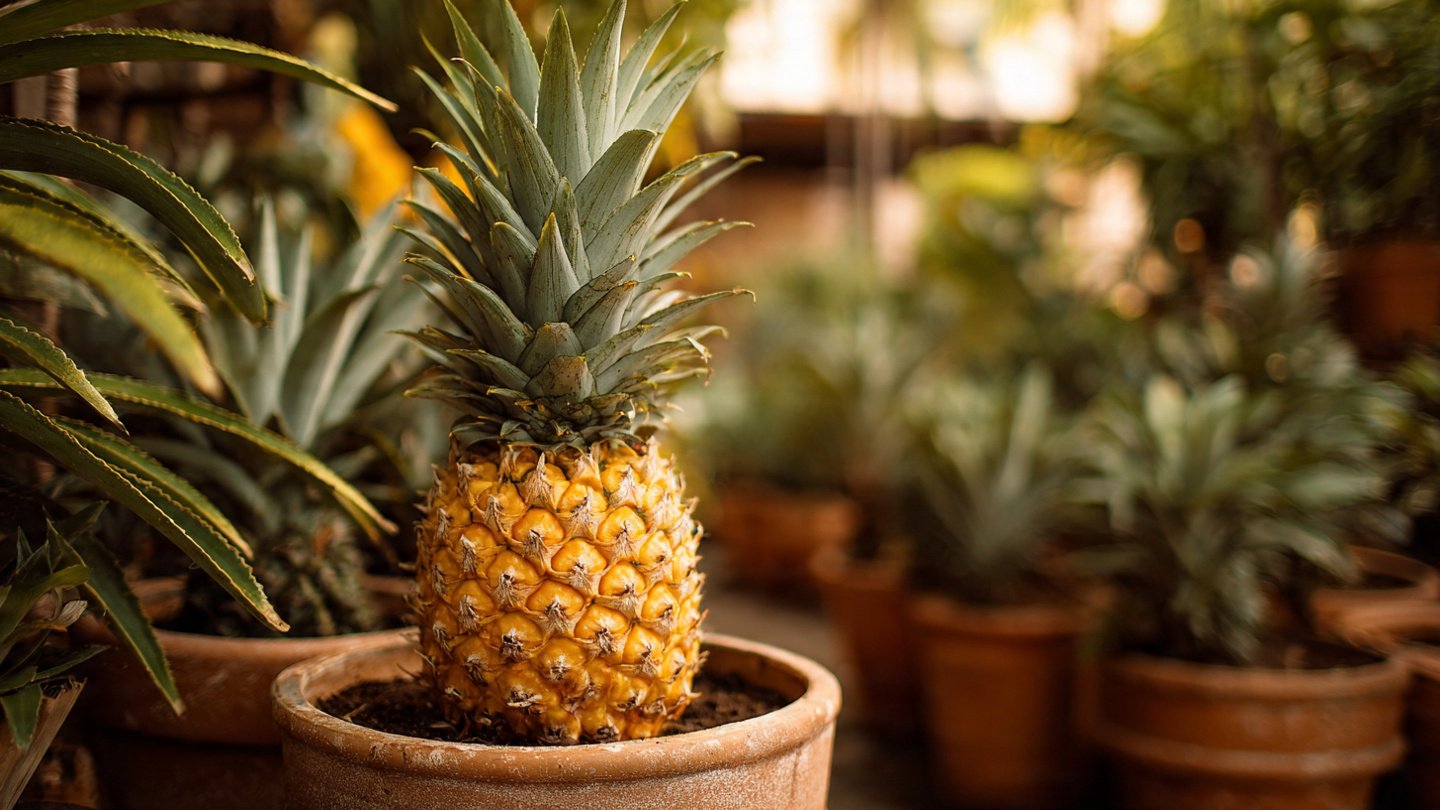
Pineapples are not only delicious and tropical, but they also bring a touch of exotic charm to your home garden. Imagine plucking a fresh, juicy pineapple from your balcony or patio—no trips to the store required! The good news is that pineapples can be grown successfully in containers, making them perfect for gardeners with limited space. With proper care, these tropical fruits thrive in pots, producing sweet, fragrant fruits while adding beauty to your home.
This ultimate guide will walk you step by step through the process of growing pineapples in containers at home, from selecting the right container to harvesting your own homegrown pineapple.
Why Grow Pineapples in Containers?
Growing pineapples in containers offers multiple advantages:
- Space-Saving: Perfect for small patios, balconies, or indoor gardening.
- Control Over Soil: You can use nutrient-rich, well-draining soil that promotes healthy root development.
- Mobility: Containers allow you to move plants for optimal sunlight exposure or protection from extreme weather.
- Pest and Disease Management: Elevated containers reduce exposure to soil-borne pests and diseases.
- Early Detection of Problems: Container gardening makes it easier to monitor water, nutrient levels, and plant health.
By using containers, you can cultivate pineapples even if you don’t have a garden, making it accessible for anyone who loves fresh tropical fruit.
Choosing the Right Pineapple for Container Gardening
The first step is selecting the right type of pineapple:
- Varieties:
- Smooth Cayenne: Sweet and juicy, great for fresh consumption.
- Queen: Smaller but highly aromatic and flavorful.
- Red Spanish: Hardy variety suitable for tropical climates.
- Source: You can start with pineapple crowns from fresh fruit purchased at the store or nursery plants. Choose healthy, firm crowns with green leaves and no signs of rot or disease.
- Crown Selection: Avoid brown or wilted leaves. A healthy crown ensures strong growth and higher chances of successful fruiting.
Preparing the Pineapple Crown
Starting with a pineapple crown is simple if you follow these steps:
- Remove the Crown: Twist or cut the leafy top from the pineapple fruit, leaving about 1 inch of fruit attached to the base.
- Trim Leaves: Remove a few of the lower leaves to expose small root buds.
- Dry the Crown: Allow the crown to dry for 1–2 days to prevent rotting when planted.
- Optional Rooting in Water: Place the crown in a container with water covering the base to encourage root development for 1–2 weeks before planting.
Healthy root formation at this stage ensures a strong and productive pineapple plant.
Choosing the Right Container
Pineapples have shallow roots but require a wide container to accommodate their growth:
- Size: Start with a 10–12 inch pot for young plants. Mature plants may need 15–20 inch wide containers.
- Depth: A depth of 10–12 inches is sufficient.
- Drainage: Ensure multiple drainage holes to prevent waterlogging. Pineapples are sensitive to excess water.
- Material: Plastic or ceramic pots are ideal as they retain moisture without drying out too quickly.
Containers provide flexibility and control, crucial for healthy pineapple growth.
Soil Preparation
Pineapples thrive in well-draining, slightly acidic soil. A proper soil mix ensures optimal growth:
Recommended Soil Mix:
- 50% Garden soil or potting soil
- 30% Sand for aeration and drainage
- 20% Organic compost or vermicompost for nutrients
Tips:
- Avoid heavy clay soils, which retain water and increase the risk of root rot.
- Slightly acidic soil (pH 4.5–6.5) is ideal.
- Incorporate slow-release fertilizer to support continuous growth.
Planting the Pineapple
Planting the pineapple crown is straightforward:
- Fill the container with the prepared soil mix, leaving 2–3 inches at the top.
- Insert the crown into the soil, covering the root buds but keeping the leaves above the soil line.
- Firmly press the soil around the base to stabilize the plant.
- Water lightly, ensuring the soil is moist but not waterlogged.
Place the container in a sunny spot with 6–8 hours of sunlight daily, which is essential for tropical plant growth.
Watering Pineapples
Proper watering is key to healthy pineapple growth:
- Frequency: Water sparingly. Pineapples are drought-tolerant and prefer slightly dry soil.
- Method: Water the soil around the base, avoiding the crown to prevent rot.
- Drainage: Always ensure water drains well from the container.
Overwatering is one of the most common mistakes in pineapple care, so it’s better to underwater than to overwater.
Fertilization and Nutrient Management
Pineapples require consistent nutrients for healthy leaves and fruit:
- Young Plants: Use a balanced liquid fertilizer every 4–6 weeks.
- Mature Plants: Apply fertilizer high in nitrogen, phosphorus, and potassium to promote flowering and fruiting.
- Organic Options: Compost, well-rotted manure, or fish emulsion support growth naturally.
Regular feeding ensures strong plants and increases the likelihood of fruit production.
Light and Temperature Requirements
Pineapples are sun-loving tropical plants:
- Sunlight: 6–8 hours of direct sunlight daily ensures vibrant leaves and sweet fruit.
- Temperature: Optimal growth occurs between 68–85°F (20–29°C).
- Indoor Care: If growing indoors, place near a south-facing window or supplement with grow lights.
Providing adequate sunlight and warmth is crucial for photosynthesis, healthy growth, and eventual flowering.
Flowering and Fruiting
Pineapples can take 18–24 months to flower in containers, depending on variety and care:
- Flower Induction: Pineapples naturally flower in response to stress or certain environmental cues. You can induce flowering with ethylene treatment, such as exposing the plant to ripening bananas for 24–48 hours.
- Fruit Development: After flowering, it takes about 5–6 months for the fruit to mature.
- Fruit Size: Container-grown pineapples may be smaller than ground-grown fruits but still flavorful and juicy.
Patience is key—consistent care ensures a successful and sweet harvest.
Pest and Disease Management
Pineapples are hardy but may face minor pest or disease challenges:
- Common Pests: Mealybugs, scale insects, and aphids. Control with organic neem oil or insecticidal soap.
- Diseases: Root rot from overwatering or fungal infections. Ensure proper drainage and avoid excessive watering.
- Prevention: Maintain good air circulation and remove dead or damaged leaves promptly.
Regular monitoring helps catch problems early, ensuring healthy growth and fruiting.
Harvesting Pineapples
Knowing when to harvest ensures sweet, juicy fruit:
- Indicators of Ripeness: The fruit turns golden-yellow, emits a sweet aroma, and the outer leaves pull out easily.
- Method: Use a sharp knife to cut the fruit from the plant, leaving about an inch of stem attached.
- Post-Harvest: You can eat fresh, juice, or use in cooking. A pineapple plant may produce one fruit at a time, but careful care can lead to subsequent fruits from suckers or new crowns.
Tips for Maximizing Container Pineapple Growth
- Rotate the Pot: Ensure even sunlight exposure on all sides of the plant.
- Remove Offshoots (Suckers): Encourage the main crown to focus energy on fruit production.
- Mulch: Use organic mulch around the base to retain moisture and regulate soil temperature.
- Patience and Consistency: Pineapples take time to produce fruit, but consistent care pays off.
- Fertilize Regularly: Feed every 4–6 weeks for young plants and more frequently during flowering.
Benefits of Growing Pineapples at Home
- Fresh and Organic: Enjoy chemical-free, homegrown tropical fruit.
- Aesthetic Appeal: Pineapple plants are striking, with long, spiky leaves that add tropical charm.
- Space-Saving: Ideal for patios, balconies, or small gardens.
- Educational: A great way to teach children about tropical plants and gardening.
- Health Benefits: Pineapples are rich in vitamins C and B6, manganese, antioxidants, and digestive enzymes.
Growing pineapples in containers brings beauty, nutrition, and flavor to your home environment.
Conclusion
Container-grown pineapples are a fantastic way to enjoy tropical fruit and add a touch of exotic beauty to your home garden. By selecting a healthy crown, using a proper container and soil mix, providing adequate sunlight, watering carefully, and feeding regularly, you can grow healthy pineapple plants that eventually produce sweet, juicy fruit.
With patience and consistent care, container-grown pineapples can thrive and reward you with fragrant blossoms and delicious fruit, even in small spaces. Whether for personal consumption, gifts, or ornamental appeal, growing pineapples at home is a fulfilling and delicious gardening adventure.
Start your container pineapple journey today and savor the taste of homegrown tropical fruit within your own backyard or balcony.