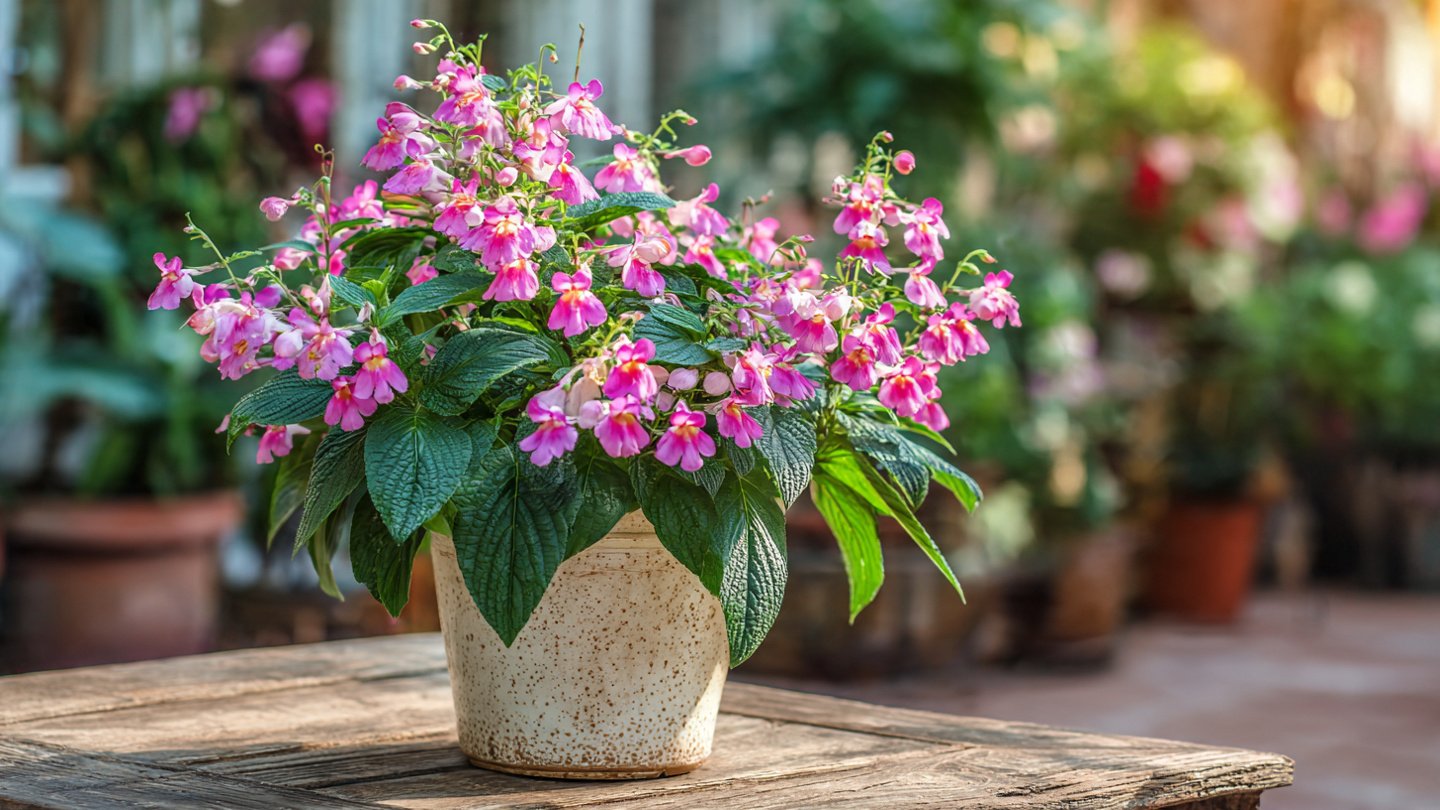
Balsam (Impatiens balsamina), also known as garden balsam or rose balsam, is a popular ornamental plant prized for its vibrant, colorful flowers and pleasant fragrance. Its striking blooms make it an excellent choice for container gardening, patios, balconies, and small urban gardens. Unlike traditional garden beds, container gardening allows precise control over soil quality, moisture, and sunlight, ensuring healthier growth and more prolific flowering. This guide will walk you through everything you need to know to successfully grow balsam in containers, from selecting the right containers to care tips for maximum color and fragrance.
1. Why Grow Balsam in Containers?
Container gardening offers several advantages, making it perfect for balsam cultivation:
- Space Efficiency: Ideal for apartments, balconies, or small patios.
- Soil Control: You can use high-quality potting mix for optimal nutrition.
- Mobility: Move containers to optimize sunlight exposure or protect plants from harsh weather.
- Pest Management: Easier to monitor and manage pests compared to in-ground gardens.
- Aesthetic Appeal: Vibrant flowers add instant color and fragrance to your outdoor or indoor space.
Growing balsam in containers ensures that the plant thrives in a controlled environment while offering stunning visual and aromatic benefits.
2. Selecting the Right Container
Choosing the appropriate container is critical for balsam growth:
- Size: Use containers that are at least 8–12 inches in diameter for single plants and larger for multiple plants. Balsam has shallow roots, but adequate width ensures strong growth.
- Material: Terracotta, ceramic, or plastic pots are suitable. Terracotta is breathable and prevents waterlogging, while plastic retains moisture longer.
- Drainage: Ensure pots have drainage holes to prevent root rot. Consider adding a layer of gravel or broken pottery at the bottom to improve drainage.
- Shape: Wide and shallow pots are better than deep narrow ones, as balsam roots are near the surface.
Choosing the right container provides a stable foundation and promotes healthy root development.
3. Choosing the Perfect Soil
Balsam thrives in rich, well-draining soil. The right soil mix ensures vibrant flowers and strong growth:
- Potting Mix: Use high-quality potting soil mixed with organic matter such as compost or well-rotted manure.
- Drainage: Add perlite, vermiculite, or coarse sand to improve aeration and prevent waterlogging.
- pH Level: Slightly acidic to neutral soil (pH 6–7) is ideal for nutrient uptake.
- Moisture Retention: Soil should retain moisture without becoming soggy.
A well-prepared soil mix gives your balsam container plants the nutrients and structure they need for continuous flowering.
4. Selecting Balsam Varieties
There are several balsam varieties, each offering unique colors, growth habits, and fragrances:
- Garden Balsam (Impatiens balsamina): Compact and bushy, producing bright pink, red, or white blooms.
- Busy Lizzie (Impatiens walleriana): Shade-tolerant with smaller, abundant flowers.
- Camellia-Flowered Balsam: Produces large, double blooms for a dramatic display.
- New Guinea Impatiens: Ideal for full sun areas with vibrant, multi-colored flowers.
Choose varieties based on your container size, sunlight availability, and desired flower color or fragrance.
5. Sowing Seeds or Using Seedlings
You can grow balsam either from seeds or young seedlings:
From Seeds:
- Timing: Sow seeds in spring after the last frost.
- Seed Preparation: Lightly soak seeds for a few hours to soften the hard coat.
- Sowing: Sprinkle seeds on a seed-starting mix and cover lightly with soil.
- Germination: Keep soil moist and maintain a temperature of 20–25°C. Seeds germinate in 7–14 days.
From Seedlings:
- Purchase healthy seedlings from a nursery for faster results.
- Transplant seedlings carefully into prepared containers, maintaining the root ball intact.
Starting from seeds is cost-effective, while seedlings save time and produce blooms sooner.
6. Planting Techniques for Container Balsam
Proper planting techniques ensure strong growth and maximum flowering:
- Spacing: Place 1–2 plants per medium-sized pot, leaving enough room for air circulation.
- Depth: Plant seedlings or seeds at the same depth they were growing in trays to avoid stress.
- Firming Soil: Gently press soil around roots to eliminate air pockets.
- Watering: Water immediately after planting to settle the soil and encourage root establishment.
Correct planting promotes vigorous growth and reduces transplant shock.
7. Watering Requirements
Balsam is sensitive to water stress, so consistent moisture is key:
- Frequency: Water regularly to keep the soil evenly moist, especially during hot, dry periods.
- Avoid Overwatering: Ensure excess water drains to prevent root rot.
- Mulching: Apply a 1–2 inch layer of organic mulch to retain soil moisture, regulate temperature, and reduce evaporation.
- Morning Watering: Water in the morning to allow leaves to dry during the day, reducing fungal disease risk.
Proper watering supports flower development and keeps the plant healthy.
8. Sunlight and Placement
Sunlight is essential for vibrant blooms:
- Partial Sun to Full Sun: Most balsam varieties thrive with 4–6 hours of sunlight daily.
- Shade-Tolerant Varieties: Some, like Busy Lizzies, grow well in shaded patios or balconies.
- Adjust Placement: Move containers seasonally to optimize light exposure and protect plants from harsh afternoon sun.
Strategic placement ensures optimal flowering and plant health.
9. Fertilization for Vibrant Flowers
Regular feeding enhances growth, color, and fragrance:
- Balanced Fertilizer: Use a water-soluble NPK fertilizer (10-10-10 or 20-20-20) every 2–3 weeks.
- Organic Options: Compost tea, fish emulsion, or seaweed extract can enrich soil naturally.
- Bloom Boosting: Apply a phosphorus-rich fertilizer during flowering to enhance flower size and longevity.
Consistent nutrition keeps container balsam thriving all season long.
10. Pruning and Deadheading
Pruning and deadheading improve plant appearance and encourage more flowers:
- Deadheading: Remove spent blooms to stimulate new flowering.
- Pruning: Trim leggy or overgrown branches to maintain a bushy shape.
- Pinching: Pinch tips of young plants to encourage branching and fuller growth.
Regular pruning maintains the plant’s shape, maximizes flower production, and enhances fragrance.
11. Pest and Disease Management
Balsam in containers can be affected by pests and fungal diseases:
- Common Pests: Aphids, spider mites, and whiteflies. Use insecticidal soap or neem oil for control.
- Fungal Issues: Powdery mildew and leaf spot can occur in humid conditions. Ensure proper spacing, airflow, and avoid wetting leaves during watering.
- Preventive Care: Remove diseased leaves promptly and maintain a clean growing environment.
Proactive care keeps your balsam healthy and blooming profusely.
12. Seasonal Care
Balsam is typically an annual, but proper care extends its flowering season:
- Spring and Summer: Peak growing and flowering period. Provide regular water, sunlight, and fertilizer.
- Autumn: Reduce fertilization and begin preparing for cooler months. Remove dead leaves and trim plants.
- Winter: In cold climates, bring containers indoors or provide frost protection. In tropical regions, balsam may continue to bloom year-round.
Seasonal care ensures continuous vibrancy and reduces plant stress.
13. Container Design Tips
Containers can enhance the beauty of balsam:
- Grouping: Combine different colored varieties for a rainbow effect.
- Hanging Baskets: Use trailing varieties in hanging baskets to create cascading blooms.
- Decorative Pots: Choose colorful or patterned containers to complement the flowers.
- Vertical Gardening: Place containers at different heights for a layered garden effect.
Creative container arrangements make balsam a striking focal point in any garden or balcony.
14. Advantages of Growing Balsam in Containers
- Vibrant Color and Fragrance: Controlled conditions produce more flowers with intense color and scent.
- Flexible Placement: Move containers to optimize light, aesthetics, or climate conditions.
- Reduced Pest Risk: Easier monitoring and treatment compared to ground planting.
- Compact Growth: Perfect for urban spaces, patios, and small gardens.
- Seasonal Versatility: Containers allow year-round care and easier overwintering.
Container gardening amplifies the benefits of balsam while giving gardeners more control over growth conditions.
Conclusion
Growing balsam in containers is a rewarding way to enjoy vibrant color, delightful fragrance, and lush greenery in limited spaces. By selecting the right container, soil, and variety, planting correctly, and providing proper sunlight, water, and fertilizer, you can create a thriving container garden that blooms profusely throughout the season.
Regular pruning, deadheading, and pest management ensure your balsam stays healthy and attractive, while creative container arrangements elevate the aesthetic appeal of any balcony, patio, or home garden. Whether you are a beginner or an experienced gardener, container balsam offers a reliable, colorful, and fragrant solution for brightening your outdoor or indoor space.
With attention, care, and a little creativity, your container-grown balsam will reward you with a spectacular display of flowers and aroma, making your home garden truly unforgettable.