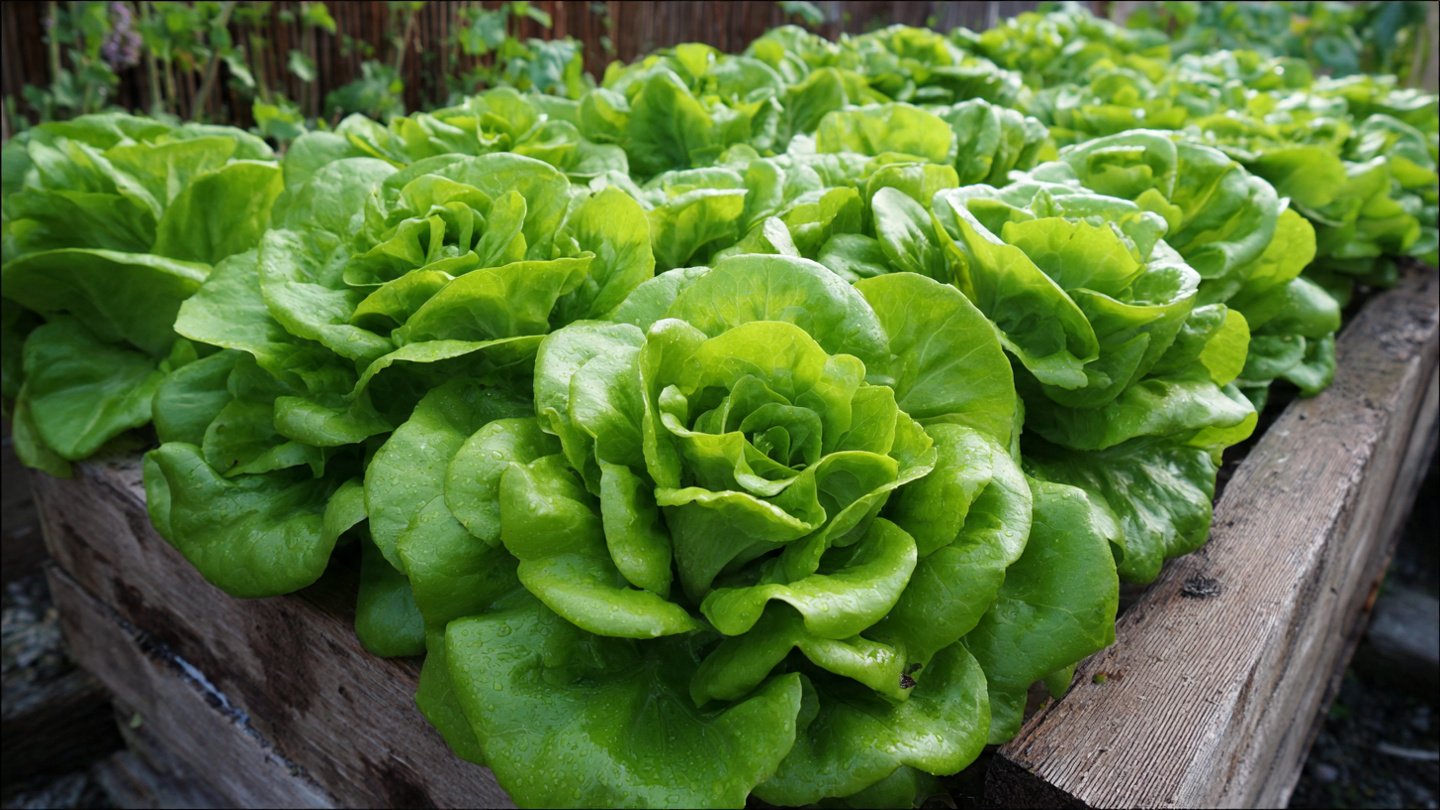
Lettuce is a staple in home gardens, providing fresh, crisp greens for salads, sandwiches, and wraps. One of the most rewarding ways to grow lettuce is using the “cut and come again” method, which allows gardeners to enjoy a continuous harvest throughout the season. This technique not only maximizes yield but also reduces waste, keeps plants productive, and saves space in your garden. In this ultimate guide, we’ll explore everything you need to know to grow lettuce using the cut-and-come-again method, from selecting varieties to proper care and harvesting tips.
What is “Cut and Come Again” Lettuce?
“Cut and come again” is a method of harvesting lettuce where leaves are picked selectively instead of uprooting the entire plant. This allows the plant to continue growing and producing new leaves for multiple harvests.
Benefits of this method:
- Continuous harvest: You can enjoy fresh greens for weeks or even months.
- Maximizes garden space: One plant yields multiple meals.
- Encourages plant health: Selective harvesting stimulates regrowth.
- Reduces waste: You only harvest what you need.
This method works best with loose-leaf varieties rather than heading types like iceberg, which form dense, compact heads.
Choosing the Right Lettuce Varieties
Selecting the right variety is crucial for successful cut-and-come-again growth. Look for lettuce types that regrow quickly and tolerate multiple harvests.
Top varieties for cut and come again:
- Loose-leaf lettuce: Varieties like “Green Salad Bowl,” “Red Sails,” and “Buttercrunch” are ideal.
- Romaine/Cos lettuce: Varieties like “Parris Island Cos” can be harvested leaf by leaf.
- Baby leaf mixes: These fast-growing mixes allow harvesting when leaves are young and tender.
Avoid dense heading varieties like iceberg or bibb, as cutting them can damage the plant and prevent regrowth.
Starting Your Lettuce Seeds
Lettuce is easy to grow from seed, making it perfect for cut-and-come-again harvesting. Here’s how to get started:
1. Seed Selection
- Choose varieties suited for your climate and desired flavor.
- For continuous harvest, select fast-growing, leaf-type lettuce.
2. Sowing Seeds
- Lettuce seeds are tiny and should be sown shallowly, about ¼ inch deep.
- Sow seeds directly into prepared garden beds, raised beds, or containers.
- Space seeds 1–2 inches apart for baby leaves or 4–6 inches apart for larger leaves.
3. Germination
- Lettuce prefers cool soil temperatures (45–75°F).
- Keep the soil consistently moist but not waterlogged.
- Germination usually occurs in 7–14 days, depending on variety and conditions.
Preparing Your Garden Bed or Containers
Whether you are planting in the ground, raised beds, or containers, proper preparation ensures vigorous growth.
Soil Requirements
- Lettuce prefers loamy, well-draining soil with plenty of organic matter.
- Ideal pH: 6.0–7.0.
- Incorporate compost or well-rotted manure to improve fertility and moisture retention.
Light and Temperature
- Lettuce grows best in full sun to partial shade.
- In hot climates, provide afternoon shade to prevent bolting (premature flowering).
- Cool weather (55–70°F) encourages tender leaves and continuous growth.
Spacing for Continuous Harvest
- Thin seedlings so that each plant has enough space to grow.
- Proper spacing improves air circulation, reduces disease, and allows easy harvesting.
Watering and Fertilization
Consistent care is crucial for maintaining healthy, productive lettuce plants.
Watering
- Lettuce has shallow roots and requires regular watering to keep soil evenly moist.
- Water early in the day to prevent evaporation and reduce disease risk.
- Avoid overwatering, which can lead to root rot and fungal issues.
Fertilization
- Use a balanced, nitrogen-rich fertilizer to promote leafy growth.
- Fertilize lightly every 2–3 weeks or use slow-release compost.
- Avoid excessive nitrogen, which can encourage leaf growth at the expense of flavor.
The Cut-and-Come-Again Harvesting Technique
Harvesting correctly is key to maximizing regrowth and prolonging the harvest season.
Step 1: Identify Harvestable Leaves
- Focus on outer, mature leaves rather than the central growing point.
- Leaves should be 4–6 inches long for the best flavor.
Step 2: Use Sharp Tools
- Use scissors or a sharp knife to cut leaves cleanly.
- Avoid tearing, which can damage the plant and invite pests or disease.
Step 3: Leave the Growing Point Intact
- The central crown or growing point contains new leaves.
- Never cut the inner leaves, as this will stop regrowth.
Step 4: Harvest Regularly
- Regular harvesting encourages continuous leaf production.
- Harvesting every 1–2 weeks keeps the plant productive and prevents over-maturity.
Extending the Harvest Season
With careful planning, you can enjoy a continuous supply of lettuce throughout the season.
Succession Planting
- Sow new seeds every 2–3 weeks to maintain a steady supply of young plants.
- This ensures that as older plants decline, new leaves are ready to harvest.
Seasonal Adjustments
- In hot weather, grow lettuce in partial shade or use shade cloth.
- In colder climates, use row covers, cold frames, or greenhouses to extend the season.
Protecting from Pests
- Common pests: slugs, snails, aphids, and leaf miners.
- Use organic methods like handpicking, floating row covers, or neem oil sprays.
- Healthy, well-watered plants are more resistant to pests.
Troubleshooting Common Issues
Even experienced gardeners encounter challenges. Here’s how to troubleshoot common problems:
Bolting
- Bolting occurs when lettuce flowers prematurely, often due to heat or long days.
- Use heat-tolerant varieties and provide shade during hot periods.
- Harvest early leaves to enjoy fresh greens before bolting occurs.
Bitter Leaves
- Bitterness often develops in stressed plants or during hot weather.
- Maintain consistent moisture and harvest regularly to keep leaves tender.
Slow Regrowth
- Overharvesting or cutting too close to the crown slows regrowth.
- Ensure you leave the central growing point intact and provide adequate nutrients and water.
Companion Planting for Optimal Growth
Growing lettuce alongside compatible plants can improve health and yields.
- Radishes and carrots: Mature quickly and can be harvested before lettuce fills in.
- Herbs like dill and cilantro: Help deter pests naturally.
- Marigolds: Repel nematodes and attract beneficial insects.
Avoid planting near heavy feeders like corn or squash, which can compete for nutrients and shade the lettuce.
Harvesting Tips for Maximum Flavor
- Harvest in the morning, when leaves are crisp and hydrated.
- Wash leaves gently and store in the refrigerator wrapped in damp paper towels.
- Use harvested leaves in salads, wraps, or smoothies for peak freshness.
By using the cut-and-come-again method and following these care tips, you can enjoy a continuous supply of fresh, tender greens all season long.
Conclusion
Growing lettuce using the cut-and-come-again method is a simple yet highly effective way to maximize your garden’s productivity. By choosing the right varieties, providing proper soil, water, and nutrients, and harvesting thoughtfully, you can enjoy continuous, fresh greens from spring through fall. With succession planting, pest management, and careful monitoring of environmental conditions, your lettuce garden will thrive, offering a steady supply of crisp, flavorful leaves for salads, sandwiches, and more.
This method not only saves space and reduces waste but also transforms lettuce cultivation into an ongoing, rewarding experience. By adopting these strategies, gardeners of all skill levels can achieve lush, healthy lettuce plants and enjoy the satisfaction of a continuous harvest that keeps your kitchen stocked with fresh greens.