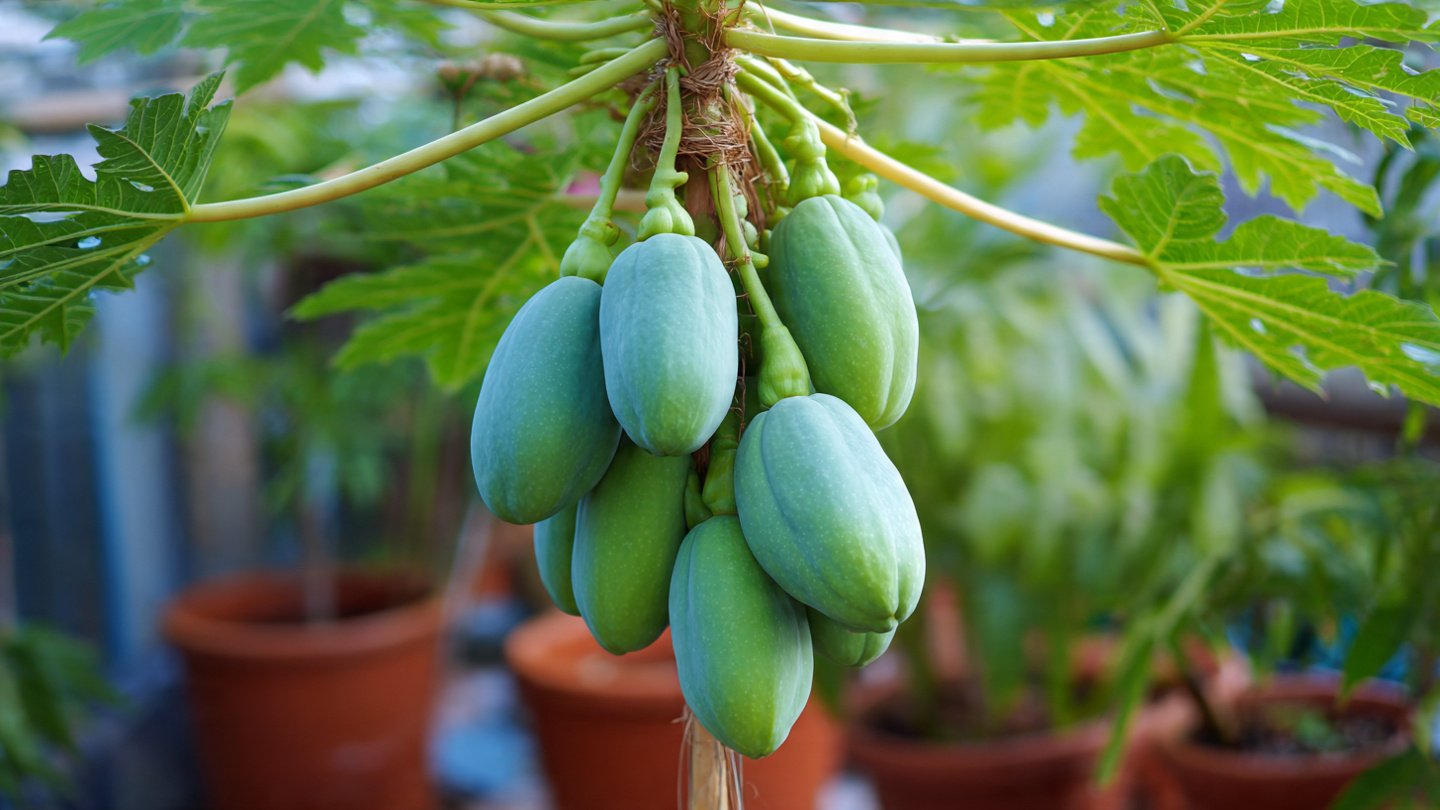
Papaya, also known as the “fruit of the angels,” is a tropical fruit beloved for its sweet, juicy flavor and numerous health benefits. While it is traditionally grown in gardens or farms, growing papaya in a pot is a convenient option for beginners and those with limited space. With the right care, even a small balcony, patio, or terrace can support a thriving papaya plant. This guide will walk you through simple, step-by-step methods for growing papaya in a pot without complications, making it accessible for anyone.
Why Grow Papaya in a Pot?
Growing papaya in a pot offers several advantages, especially for beginners:
- Space Efficiency: Ideal for small apartments or homes without a garden.
- Mobility: Pots can be moved to ensure optimal sunlight exposure or to protect the plant from harsh weather.
- Control: Growing in a pot allows better control over soil quality, watering, and pests.
- Early Harvest: With proper care, potted papayas can start producing fruits faster due to better nutrient management.
Potted papaya is not only a convenient solution but also a rewarding way to enjoy fresh fruits at home.
Selecting the Right Papaya Variety
Choosing the right variety is crucial for container growth. For potted cultivation, select dwarf or compact varieties that are better suited to limited space.
- Red Lady Papaya: A popular hybrid, ideal for pots, known for high yield and disease resistance.
- Solo Papaya: Produces sweet, small to medium-sized fruits and is suitable for containers.
- Tainung Papaya: Another compact variety with consistent fruit production.
Starting with the right variety ensures your plant thrives and produces delicious fruits even in a confined space.
Choosing the Perfect Pot
The pot is one of the most critical elements in successful papaya cultivation. Papaya has a deep taproot system, so the container must allow proper root development.
- Size: Use a large pot with a minimum diameter of 18–24 inches and similar depth. As the plant grows, you may need to upgrade to a bigger pot.
- Material: Plastic, ceramic, or fabric pots all work well. Plastic retains moisture longer, while fabric pots allow better aeration for roots.
- Drainage: Ensure the pot has sufficient drainage holes. Papayas are sensitive to waterlogging, which can cause root rot.
A well-chosen pot supports healthy growth, root expansion, and fruit production.
Preparing the Soil Mix
Papaya plants thrive in well-draining, fertile soil. A good potting mix ensures proper aeration and nutrients. Here’s an ideal mix:
- Garden Soil or Loamy Soil: Forms the base, providing structure.
- Compost or Organic Matter: Adds nutrients and improves fertility.
- Sand or Perlite: Enhances drainage and prevents water stagnation.
- Balanced Fertilizer: Mix in slow-release fertilizer to support steady growth.
Mix the components thoroughly before planting. The soil should be light, airy, and slightly acidic to neutral (pH 6.0–6.5) for optimal growth.
Propagating Papaya
You can grow papaya in a pot either from seeds or seedlings. Both methods are beginner-friendly:
From Seeds:
- Select Ripe Fruits: Extract seeds from a fresh papaya fruit.
- Clean the Seeds: Remove the gelatinous coating to prevent fungal growth. Wash and dry them.
- Germination: Plant the seeds ½ inch deep in a seedling tray or small pots. Keep them in a warm, sunny spot and water lightly.
- Transplanting: When seedlings reach 6–8 inches tall, transplant them into the main pot with prepared soil.
From Seedlings:
Buying a healthy 3–4 month-old papaya seedling is faster and reduces complications. Ensure the plant has a straight stem, strong roots, and no signs of disease. Transplant carefully into your pot, keeping the root ball intact.
Planting Papaya in the Pot
Once your pot and soil are ready, follow these simple steps for planting:
- Fill the Pot: Fill the pot with soil mix, leaving about 2–3 inches at the top.
- Plant the Seedling: Place the papaya seedling in the center. For seeds, plant them at the recommended depth.
- Cover and Water: Gently cover the roots with soil and water lightly to settle the soil. Avoid overwatering, as papayas dislike soggy soil.
- Support the Plant: Papaya stems are thin and tall. Use a stake or small support to help young plants stand upright.
Proper planting ensures the papaya gets a healthy start in its container home.
Ensuring Adequate Sunlight
Papaya plants thrive in full sunlight. For container-grown plants:
- Place the pot in a location that receives at least 6–8 hours of direct sunlight daily.
- If sunlight is limited, consider using reflective surfaces or grow lights to supplement natural light.
- Rotate the pot occasionally to ensure all sides of the plant get equal exposure.
Sunlight is vital for photosynthesis, strong growth, and abundant fruiting.
Watering and Maintenance
Papaya plants are sensitive to both under- and over-watering. Maintaining proper moisture is crucial:
- Frequency: Water the plant when the top 1–2 inches of soil feel dry. In hot climates, daily watering may be necessary, while cooler seasons require less.
- Method: Water at the base to avoid wetting leaves, which can promote fungal infections.
- Mulching: Add a layer of straw or organic mulch to retain moisture, regulate soil temperature, and prevent weed growth.
Consistent care ensures healthy growth and reduces stress on the plant.
Fertilization for High Yield
Papayas are heavy feeders. Regular feeding promotes rapid growth and fruit development:
- Nitrogen-Rich Fertilizer: Supports leaf and stem growth in the early stages.
- Phosphorus: Encourages flowering and root development.
- Potassium: Essential for fruit formation and quality.
- Frequency: Apply a balanced liquid fertilizer every 2–3 weeks or use slow-release granular fertilizer according to the manufacturer’s instructions.
Proper nutrition ensures your papaya plant stays healthy and produces sweet, juicy fruits.
Pruning and Plant Care
Pruning helps manage the plant’s size and encourages better fruiting in a container:
- Remove damaged or yellowing leaves to prevent diseases.
- Pinch off flowers from young plants to allow energy for stem growth until the plant is mature.
- For container papayas, prune carefully to maintain a manageable height and prevent toppling.
Regular observation and simple pruning keep your plant thriving in its confined environment.
Pollination Tips
Papayas can be male, female, or hermaphrodite. For fruit production, female or hermaphrodite plants are essential. If growing in a pot:
- Ensure at least one hermaphrodite plant for self-pollination.
- For outdoor plants, bees and wind usually handle pollination.
- Indoors, you may need to hand-pollinate by gently transferring pollen using a small brush from male or hermaphrodite flowers to female flowers.
Pollination is key to ensuring your potted papaya yields fruit.
Harvesting Papayas
Patience is important as papayas grow rapidly but take several months to bear fruit:
- Fruits are ready for harvest when they turn yellow or orange and feel slightly soft.
- Harvesting at the right time ensures maximum sweetness and flavor.
- Regular harvesting encourages continuous flowering and fruiting in healthy plants.
Enjoying your own homegrown papayas is the ultimate reward for consistent care.
Common Challenges and Solutions
While papayas are relatively easy to grow in pots, beginners may face some issues:
- Root Rot: Avoid overwatering and ensure proper drainage.
- Pests: Aphids and mealybugs may appear. Use mild insecticidal soap or neem oil.
- Leggy Growth: Insufficient sunlight can cause tall, weak stems. Move the pot to a sunnier location.
With timely interventions, most issues can be easily managed.
Conclusion
Growing papaya in a pot is a simple, rewarding experience that brings fresh, nutritious fruits right to your doorstep. By choosing the right variety, providing an appropriate pot and soil, maintaining proper sunlight, watering, and feeding, even beginners can achieve a thriving potted papaya plant. With minimal effort and attention to basic needs, you can enjoy the satisfaction of homegrown papayas without complications.
Potted papaya cultivation is perfect for urban gardeners, apartment dwellers, or anyone looking to grow fruit in limited space. It demonstrates that with a few simple steps, patience, and care, you can transform a small container into a mini tropical fruit garden. Start your papaya journey today and relish the sweet taste of success from your very own pot-grown plant.