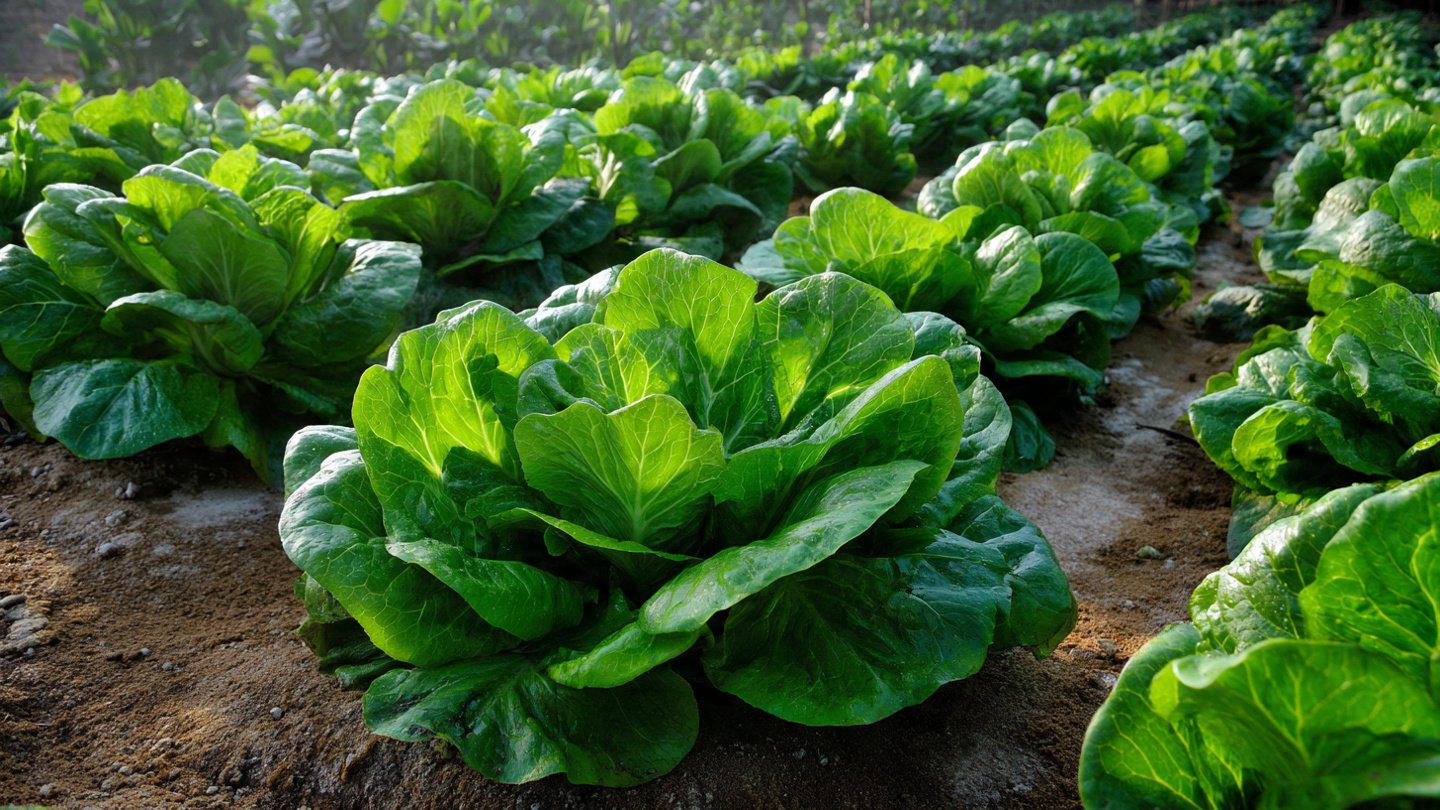
Lettuce is one of the most rewarding and versatile vegetables to grow in your home garden. Crisp, tender leaves can be harvested in as little as 30 days, and fresh, homegrown lettuce is far superior to store-bought varieties in taste and nutrition. However, summer heat can be a challenge, particularly if your garden receives partial or full shade.
Contrary to common belief, lettuce can thrive in shaded areas during summer, provided you use the right strategies and techniques. By understanding the plant’s needs and adapting your gardening practices, you can enjoy a continuous supply of fresh lettuce even in less sunny corners of your garden.
Understanding Lettuce and Its Shade Tolerance
Lettuce (Lactuca sativa) is a cool-season crop, preferring temperatures between 60°F and 70°F. When exposed to strong summer heat, lettuce can:
- Bolt quickly (produce flowers instead of leaves)
- Develop bitter flavors
- Become thin and leggy
Shaded areas naturally provide cooler conditions, which can reduce heat stress. While lettuce still benefits from some sunlight, partial shade (3–6 hours of direct sun or filtered light) can extend your growing season and improve leaf quality during hot months.
Choosing the Right Lettuce Varieties
Variety selection is the first step for successful summer shade growing. Some lettuce types perform better in low-light conditions and tolerate heat more effectively:
- Loose-leaf varieties: Grow well in shade and mature quickly. Examples include ‘Black Seeded Simpson’ and ‘Oakleaf’.
- Romaine/Cos types: Slightly more sun-tolerant, but still suitable for partial shade. Examples include ‘Parris Island Cos’.
- Butterhead varieties: Tender and slower-growing, ideal for mild summer shade. Examples include ‘Buttercrunch’ and ‘Tom Thumb’.
Choosing varieties suited to shade ensures vigorous growth and flavorful leaves.
Step 1: Preparing the Soil
Lettuce grows best in loose, fertile, well-draining soil. Shaded areas sometimes have soil that is denser or retains more moisture, so proper preparation is key:
- Loosen the soil to 12–15 inches deep to encourage root growth.
- Incorporate organic matter, such as compost or aged manure, to enrich the soil and improve drainage.
- Test soil pH; lettuce prefers slightly acidic to neutral soil (6.0–7.0).
- Add a balanced organic fertilizer if your soil is nutrient-deficient.
Healthy, nutrient-rich soil allows lettuce to develop large, tender leaves, even with limited sunlight.
Step 2: Planting for Shade
Planting in shaded areas requires some planning:
- Spacing: Plant lettuce 6–12 inches apart to ensure airflow and reduce the risk of disease.
- Row orientation: If possible, align rows north to south to maximize sunlight exposure during the day.
- Timing: For summer shade planting, sow seeds early in the morning or late in the afternoon to avoid midday heat.
Starting seeds indoors and transplanting seedlings can also help establish strong plants in shaded areas.
Step 3: Managing Water Effectively
Shaded areas tend to retain more moisture than sunny spots, but consistent watering is still essential:
- Keep soil evenly moist but not waterlogged. Lettuce has shallow roots and dries out quickly, even in shade.
- Use drip irrigation or soaker hoses to water at the base and avoid wetting leaves, which reduces disease risk.
- Mulch with straw or leaves to retain moisture and regulate soil temperature.
Proper watering prevents stress and encourages leafy, tender growth.
Step 4: Using Shade to Your Advantage
Summer shade can be turned into a strategic advantage:
- Shade protects lettuce from excessive heat, preventing bolting and bitterness.
- Filtered sunlight allows leaves to develop slower, thicker, and more flavorful.
- Shade extends the harvest window, enabling multiple crops during summer.
For areas with light shade, consider using temporary shade cloth to protect lettuce during peak midday heat.
Step 5: Fertilizing Naturally
Lettuce is a fast-growing, leafy vegetable, which means it benefits from regular feeding:
- Use compost tea or diluted liquid organic fertilizer every 2–3 weeks.
- Avoid excessive nitrogen in very shady spots; too much nitrogen can result in soft, weak leaves prone to disease.
- Side-dress plants with compost or well-rotted manure to replenish nutrients.
Balanced fertilization ensures lettuce grows vigorous, healthy leaves even with reduced sunlight.
Step 6: Controlling Pests and Diseases
Shaded areas with high humidity can attract pests and encourage disease. Common problems include:
- Aphids – Spray with water or neem oil.
- Slugs and snails – Use crushed eggshells, coffee grounds, or natural barriers.
- Powdery mildew and leaf spot – Ensure good spacing and airflow; remove infected leaves promptly.
Healthy plants are more likely to produce lush leaves instead of stunted growth.
Step 7: Succession Planting
To maintain a continuous harvest in summer shade:
- Sow seeds every 2–3 weeks.
- Harvest outer leaves regularly, allowing inner leaves to continue growing.
- Use staggered planting to prevent a gap in supply.
Succession planting ensures you never run out of fresh, tender leaves, even during hot months.
Step 8: Harvesting for Maximum Growth
Proper harvesting encourages thicker growth:
- Pick outer leaves first, leaving the central growth intact.
- Avoid harvesting more than one-third of the plant at a time.
- Regular harvesting promotes new leaf development and prevents bolting.
This approach ensures your lettuce plants remain dense, productive, and leafy throughout summer.
Step 9: Companion Planting
Companion planting can improve growth and protect lettuce:
- Plant herbs like chives, dill, or cilantro nearby to deter pests.
- Use taller plants (tomatoes, peppers) to provide extra dappled shade if needed.
- Avoid planting aggressive species that compete for nutrients and water.
Companions create a microclimate that enhances lettuce growth in shade.
Step 10: Seasonal Adjustments
Even in shaded areas, lettuce responds to seasonal changes:
- Early summer: Start seeds indoors or in partial shade; monitor for heat stress.
- Mid-summer: Use shade cloth and mulch to maintain moisture and cool roots.
- Late summer: Focus on watering and nutrient supplementation to prevent bolting.
Adapting care to seasonal conditions ensures consistent growth and harvest.
Common Mistakes to Avoid
- Ignoring spacing: Crowded plants in shade are prone to disease.
- Overwatering: Shaded soil retains moisture; excess water can rot roots.
- Neglecting feeding: Shaded growth slows without nutrients.
- Harvesting incorrectly: Removing too many leaves stunts growth.
- Not managing heat spikes: Even shaded areas can become too hot during peak summer.
Avoiding these mistakes ensures your shaded lettuce remains healthy and productive.
Final Thoughts
Growing lettuce in summer shade is not only possible—it can be highly rewarding. Shaded conditions can reduce heat stress, slow bolting, and improve leaf quality, making your summer salads fresh and flavorful. By combining strategies like choosing the right varieties, preparing fertile soil, watering consistently, using natural fertilizers, succession planting, and managing pests, you can cultivate a thriving, leafy garden even in less sunny spaces.
With careful planning and consistent care, your summer shade can become a lush, productive lettuce garden, providing tender, crisp leaves for weeks or months. Shaded lettuce cultivation is a perfect example of working with your garden’s natural conditions to achieve outstanding results.