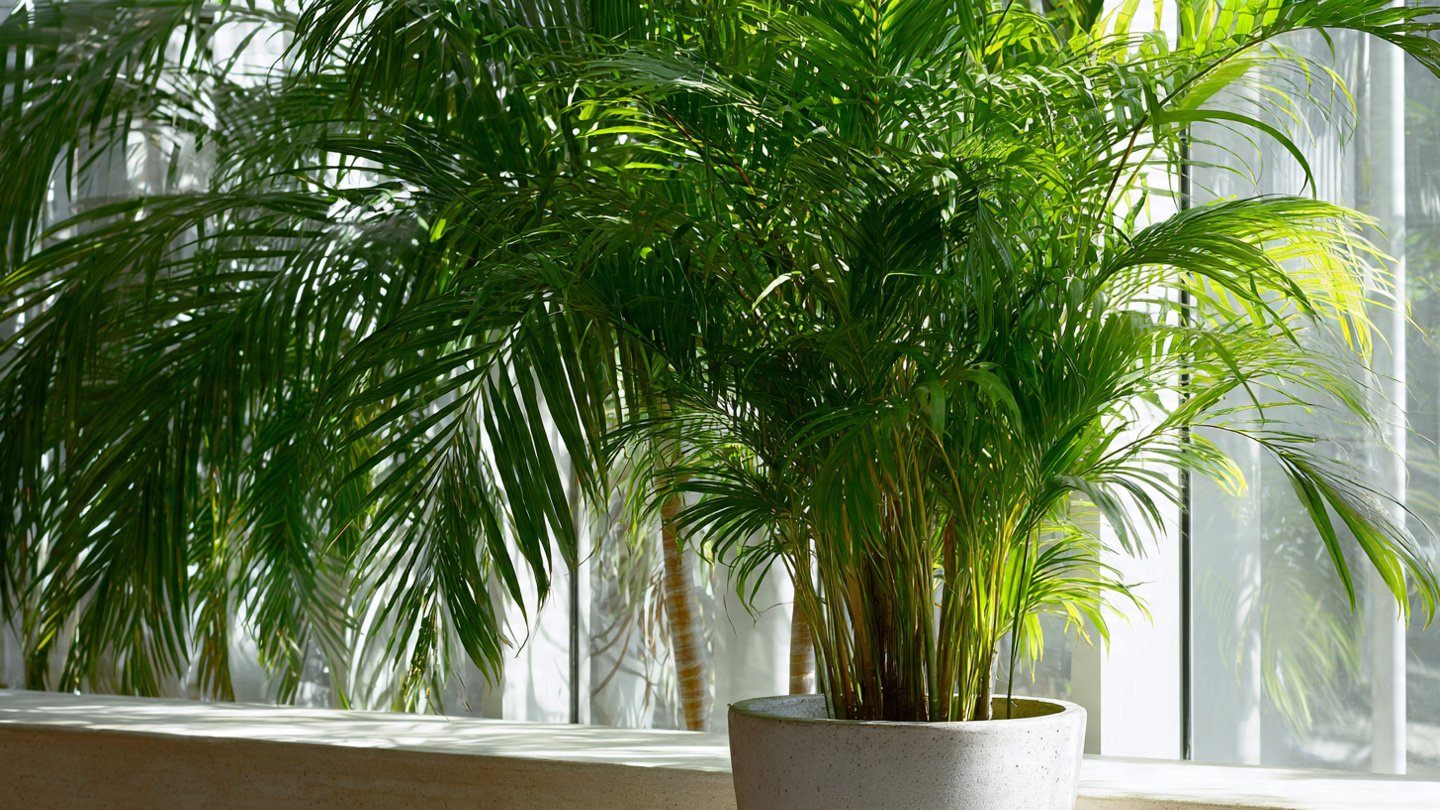
Areca palms (Dypsis lutescens), also known as butterfly palms or yellow palms, are among the most popular indoor houseplants worldwide. Their feathery, arching fronds and vibrant green foliage bring an instant tropical feel to any home. Besides their aesthetic appeal, areca palms are excellent air purifiers, making them a favorite choice for bedrooms, living rooms, and offices.
For many indoor gardeners, the challenge is growing an Areca palm that is lush, bushy, and healthy, rather than tall, sparse, or leggy. With the right techniques, even beginners can cultivate a vibrant indoor palm that thrives with minimal effort. This guide will walk you through simple, practical techniques to achieve that lush, full look.
Why Areca Palms Make Perfect Indoor Plants
Areca palms are favored by indoor gardeners for several reasons:
- Air Purifying: They remove toxins like formaldehyde and xylene from the air.
- Low-Maintenance: Once established, they require moderate care.
- Versatile Size: They can grow from a small tabletop palm to a large floor specimen.
- Attractive Foliage: Their bright green fronds add a tropical touch to any room.
With proper care, these palms can grow up to 6–10 feet indoors, creating a lush focal point in your space.
Choosing the Right Areca Palm
Selecting the right plant is crucial for indoor success. Here’s what to look for:
Healthy Leaves
- Vibrant green, free from yellowing tips
- No signs of pests or fungal spots
Well-Rooted Plant
- Roots should be firm, not mushy or circling excessively
- Avoid plants with overly dry or wilted soil
Multiple Stems for Bushiness
- Choose a clump of multiple stems instead of a single stalk
- Multiple stems encourage a naturally fuller, bushier look
The Ideal Indoor Location
Lighting plays a critical role in palm growth. Areca palms thrive under bright, indirect light, which mimics the dappled sunlight of tropical forests.
Tips for Placement:
- Near East or North-Facing Windows: They get morning or filtered light
- Avoid Direct Sunlight: Too much direct sun can scorch leaves
- Rotate Regularly: Rotate the pot every few weeks for even growth
If natural light is insufficient, consider a grow light to provide 8–10 hours of bright light daily.
Choosing the Right Container and Soil
Proper containers and soil ensure healthy roots and a bushy growth habit.
Container Tips:
- Use a pot 1–2 inches larger than the root ball
- Ensure drainage holes to prevent waterlogging
- Decorative outer pots are fine but add a layer of gravel or pebbles for drainage
Soil Mix:
Areca palms prefer well-draining, fertile soil. A recommended mix:
- 2 parts potting soil
- 1 part sand or perlite
- 1 part peat moss or coco peat
This mixture retains moisture without suffocating the roots.
Watering Your Areca Palm
Proper watering is essential for lush growth. Overwatering can cause root rot, while underwatering can stunt growth.
Watering Guidelines:
- Keep soil evenly moist, not soggy
- Water when the top 1–2 inches of soil are dry
- Use room-temperature water to avoid shocking the roots
- Reduce watering slightly during winter when growth slows
Adding a layer of decorative mulch or pebbles on top of the soil helps retain moisture while maintaining a clean appearance.
Fertilizing for Lush Growth
Areca palms benefit from regular feeding, especially during their active growth months (spring and summer).
Fertilizer Tips:
- Use a balanced liquid fertilizer (10-10-10 NPK) every 4–6 weeks
- Alternatively, slow-release palm fertilizers can provide nutrients for 3–4 months
- Reduce feeding during winter to prevent nutrient burn
Proper fertilization encourages fuller fronds and more bushy growth.
Pruning and Trimming Techniques
Pruning helps maintain shape and encourages healthy new growth.
How to Prune:
- Remove yellowing, brown, or damaged fronds at the base
- Trim only what is necessary; do not remove green fronds unnecessarily
- Regularly removing old fronds redirects energy to new growth
Pruning also improves airflow, reducing the risk of fungal infections or pests.
Repotting for Healthy Growth
Repotting ensures that your Areca palm continues to thrive and maintain a bushy appearance.
When to Repot:
- Every 2–3 years or when roots outgrow the pot
- Signs include roots growing out of drainage holes or slowed growth
How to Repot:
- Gently remove the palm from its current pot
- Loosen the roots slightly
- Place in a slightly larger pot with fresh soil mix
- Water thoroughly and allow the plant to adjust
Repotting encourages new root growth, which supports fuller fronds.
Creating a Bushy Areca Palm
A single-stem Areca palm can look sparse. Here’s how to encourage a bushy, full growth habit:
1. Start with Multi-Stem Plants
- Choose a clump or group of seedlings rather than a single stem
- Multiple stems naturally create a fuller look
2. Encourage Side Shoots
- Prune carefully to stimulate lateral growth
- Avoid removing too many healthy fronds at once
3. Fertilize Consistently
- Regular nutrients support vigorous growth
- Healthy palms produce more fronds, resulting in a bushier appearance
4. Proper Lighting
- Even growth on all stems is encouraged by rotating the plant regularly
Dealing with Common Problems
Even with simple care, indoor palms may face occasional challenges.
Yellowing Leaves
- Cause: Overwatering, low humidity, or nutrient deficiency
- Solution: Adjust watering, mist fronds, and fertilize
Brown Leaf Tips
- Cause: Dry air, inconsistent watering, or chemical buildup from tap water
- Solution: Use filtered water, maintain humidity, trim damaged tips
Pests (Spider Mites, Mealybugs)
- Solution: Wipe fronds with a damp cloth, apply neem oil, or insecticidal soap
Indoor Humidity Tips
Areca palms thrive in moderate to high humidity. Low indoor humidity, especially during winter heating, can stress the plant.
Increasing Humidity:
- Place a tray of water near the plant
- Group with other plants to create a microclimate
- Use a room humidifier if air is extremely dry
Maintaining humidity helps keep fronds soft, green, and healthy.
Tips for Long-Term Success
- Rotate the pot every few weeks for uniform growth
- Dust fronds regularly to allow better photosynthesis
- Avoid drafts from air conditioners or heaters
- Monitor for signs of stress and adjust care accordingly
With consistent attention to these simple techniques, your Areca palm will thrive indoors for years.
Final Thoughts
Growing lush, bushy Areca palms indoors doesn’t have to be complicated. By choosing healthy multi-stem plants, providing bright indirect light, watering and fertilizing appropriately, and pruning carefully, you can cultivate a vibrant indoor palm with minimal stress.
These palms not only enhance the beauty of your living space but also improve air quality and bring a sense of tropical calm to your home. With patience and the right care, even beginners can enjoy thriving, bushy Areca palms that become a centerpiece of their indoor garden.