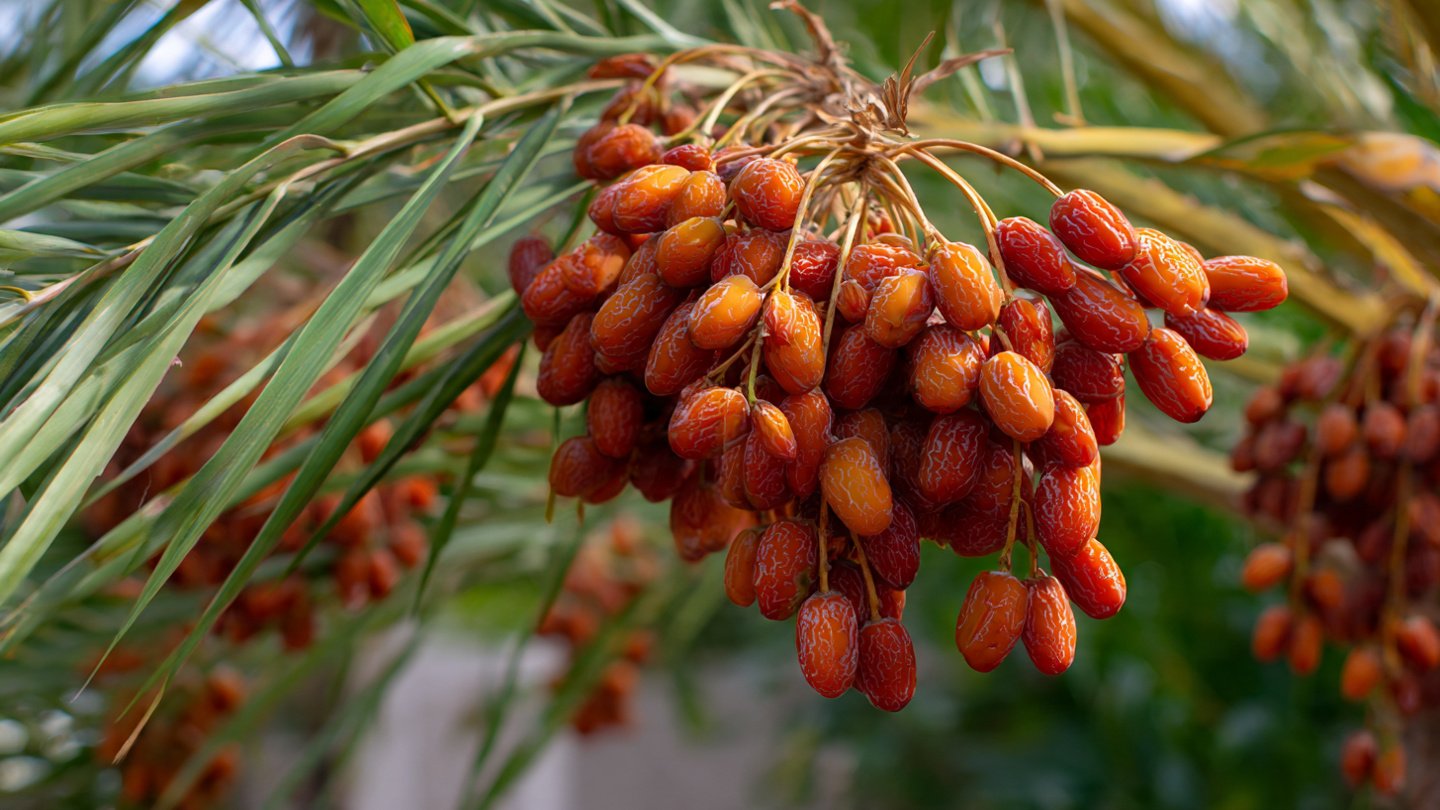
Date palms (Phoenix dactylifera) are iconic trees of arid landscapes, valued for their sweet, nutrient-rich fruit and elegant appearance. While most people associate date palms with large orchards or desert environments, the truth is that you can grow a date palm at home from a fresh seed—even in a small backyard or container garden. Growing date palms from seeds is a rewarding project for beginners, allowing you to experience the satisfaction of nurturing a tree from its earliest stage to maturity.
Although date palms require patience—they can take several years to produce fruit—the process itself is simple and educational. In this guide, we will walk you through the steps for successfully germinating, planting, and caring for date palm seeds at home, along with tips to help your young seedlings thrive.
1. Understanding Date Palm Seeds
Before starting, it’s helpful to understand the nature of date palm seeds.
- Viability: Fresh seeds have a higher germination rate than dried seeds. Seeds extracted directly from ripe dates are ideal.
- Dormancy: Date palm seeds have natural dormancy that must be broken for successful germination.
- Time to Germinate: Germination can take anywhere from 1 to 3 months, depending on conditions.
Knowing these factors sets realistic expectations for beginners and helps you prepare the right environment for your seeds.
2. Selecting and Preparing Fresh Seeds
The first step to success is choosing high-quality seeds.
Selecting Seeds
- Use seeds from fully ripe, healthy dates. Avoid shriveled or moldy fruits.
- If possible, select seeds from varieties known for good germination rates, such as Medjool, Deglet Noor, or Barhee.
Cleaning Seeds
- Remove all fruit pulp from the seed to prevent mold or rotting.
- Rinse thoroughly under running water.
- Optionally, soak seeds in warm water for 24–48 hours to soften the hard outer coat and improve germination chances.
Proper preparation ensures that your seeds have the best possible start.
3. Breaking Seed Dormancy
Date palm seeds have a hard coat that naturally inhibits water absorption. To encourage germination:
Scarification
- Gently sand the seed coat using sandpaper or a nail file to create a tiny opening.
- Avoid damaging the inner embryo.
Soaking
- After scarification, soak seeds in warm water for 24–48 hours.
- Change water every 12 hours to prevent bacterial growth.
These techniques mimic natural processes and significantly increase germination success for beginners.
4. Germination Methods
There are several methods for germinating date palm seeds. The most reliable methods are paper towel germination or soil germination.
Paper Towel Method
- Place seeds between moist paper towels.
- Keep the paper towel damp but not soaking.
- Seal in a plastic bag or container to retain humidity.
- Place in a warm spot (25–30°C / 77–86°F).
- Check regularly for sprouting over 4–12 weeks.
Soil Method
- Fill a small container with well-draining soil, such as a mix of sand, potting soil, and perlite.
- Plant seeds 1–2 cm deep, just covering the seed.
- Water lightly to keep soil consistently moist.
- Place the container in a warm, sunny location.
- Germination may take 1–3 months; patience is key.
The paper towel method allows easy monitoring, while soil germination prepares seeds directly for planting.
5. Transplanting Seedlings
Once the seed sprouts and develops a small root and shoot, it’s time to transplant.
Steps for Transplanting
- Prepare a well-draining potting mix with sand, compost, and perlite.
- Use a container at least 6–8 inches deep for the seedling.
- Carefully place the seedling into the soil, ensuring the root is covered but the shoot is above the surface.
- Water lightly and place in indirect sunlight for the first week to prevent stress.
Seedlings are delicate at this stage, so gentle handling and proper soil conditions are critical for survival.
6. Watering Young Date Palm Seedlings
Water management is essential for healthy growth.
- Keep soil consistently moist but not waterlogged during the first few months.
- Avoid letting the soil dry completely, as seedlings are highly sensitive.
- As seedlings develop roots and grow larger, gradually reduce watering to encourage drought tolerance.
- Avoid overwatering, which can lead to root rot, a common issue in container-grown palms.
Consistent and careful watering encourages strong root systems and steady growth.
7. Providing Adequate Sunlight
Date palms are sun-loving plants. For seedlings:
- Place in bright, indirect sunlight initially to prevent scorching.
- Gradually increase exposure to full sun as seedlings strengthen.
- Ideally, seedlings should receive 6–8 hours of sunlight daily.
- In colder climates or winter, consider using a grow light to supplement sunlight.
Proper light ensures healthy foliage and prepares young palms for outdoor growth if you plan to transplant later.
8. Fertilizing Young Date Palms
Fertilization is important once seedlings develop their first true leaves.
- Use a balanced, slow-release fertilizer designed for palms or general-purpose plants.
- Apply sparingly to avoid burning delicate roots.
- After a few months, gradually increase the dose as the palm grows.
- Include micronutrients such as magnesium and manganese to prevent deficiencies.
Healthy nutrition supports strong growth, larger leaves, and resilient seedlings.
9. Container Management
For indoor or balcony gardeners, container management is crucial.
- Start with small pots and gradually upsize as the palm grows.
- Ensure containers have adequate drainage holes.
- Repot every 1–2 years for young palms, increasing pot size each time.
- Avoid very large containers too early, as excess soil can retain moisture and harm roots.
Proper container management ensures a healthy environment and prevents common container-related problems.
10. Pests and Disease Management
Date palm seedlings are generally hardy but can be affected by pests and diseases in indoor or container settings.
Common issues:
- Aphids and mealybugs: Remove manually or use mild soapy water.
- Fungal infections: Caused by overwatering; ensure proper drainage and airflow.
- Scale insects: Use neem oil or insecticidal soap.
Early monitoring and natural remedies help seedlings thrive without chemicals.
11. Patience Is Key
Growing date palms from seed is a long-term project. Seedlings may take several years to mature, and fruiting can take 4–8 years depending on the variety and growing conditions. Beginners should focus on:
- Developing healthy, strong seedlings first.
- Learning proper care techniques, including watering, fertilizing, and sunlight management.
- Enjoying the growth process and aesthetic appeal, even before fruiting begins.
Patience and consistency are essential for a successful date palm journey.
12. Transplanting Outdoors (Optional)
Once your seedlings are strong and several inches tall, they can be transplanted outdoors if you have space and suitable climate.
- Choose a sunny location with well-draining soil.
- Prepare a hole larger than the root ball.
- Backfill with sandy, nutrient-rich soil.
- Water thoroughly after planting.
- Protect young palms from harsh sun or frost for the first few months.
Outdoors, date palms can grow taller and eventually produce fruit over several years.
13. Benefits of Growing Date Palms at Home
Growing date palms from seeds at home is rewarding in multiple ways:
- Educational: Learn about germination, plant growth, and long-term care.
- Aesthetic: Adds exotic greenery to balconies or gardens.
- Sustainable: Produces homegrown, chemical-free dates in the long term.
- Therapeutic: Gardening improves mental health and provides satisfaction.
Even before fruiting, date palm seedlings create a beautiful tropical feel in your home.
Final Thoughts
Growing date palms from fresh seeds is an exciting and rewarding project for beginners. While it requires patience, proper care, and attention to watering, sunlight, and soil, the process is straightforward and highly educational. By selecting quality seeds, breaking dormancy, providing optimal germination conditions, and caring for seedlings with proper sunlight, water, and nutrients, you can successfully grow date palms at home.
Whether you aim to eventually harvest your own dates or simply enjoy the tropical beauty of these elegant palms, growing from seed offers a fulfilling experience that connects you with nature from the very beginning. With consistent care, your date palm seedlings will grow into healthy, strong trees that can thrive for years and eventually reward you with sweet, homegrown fruit.