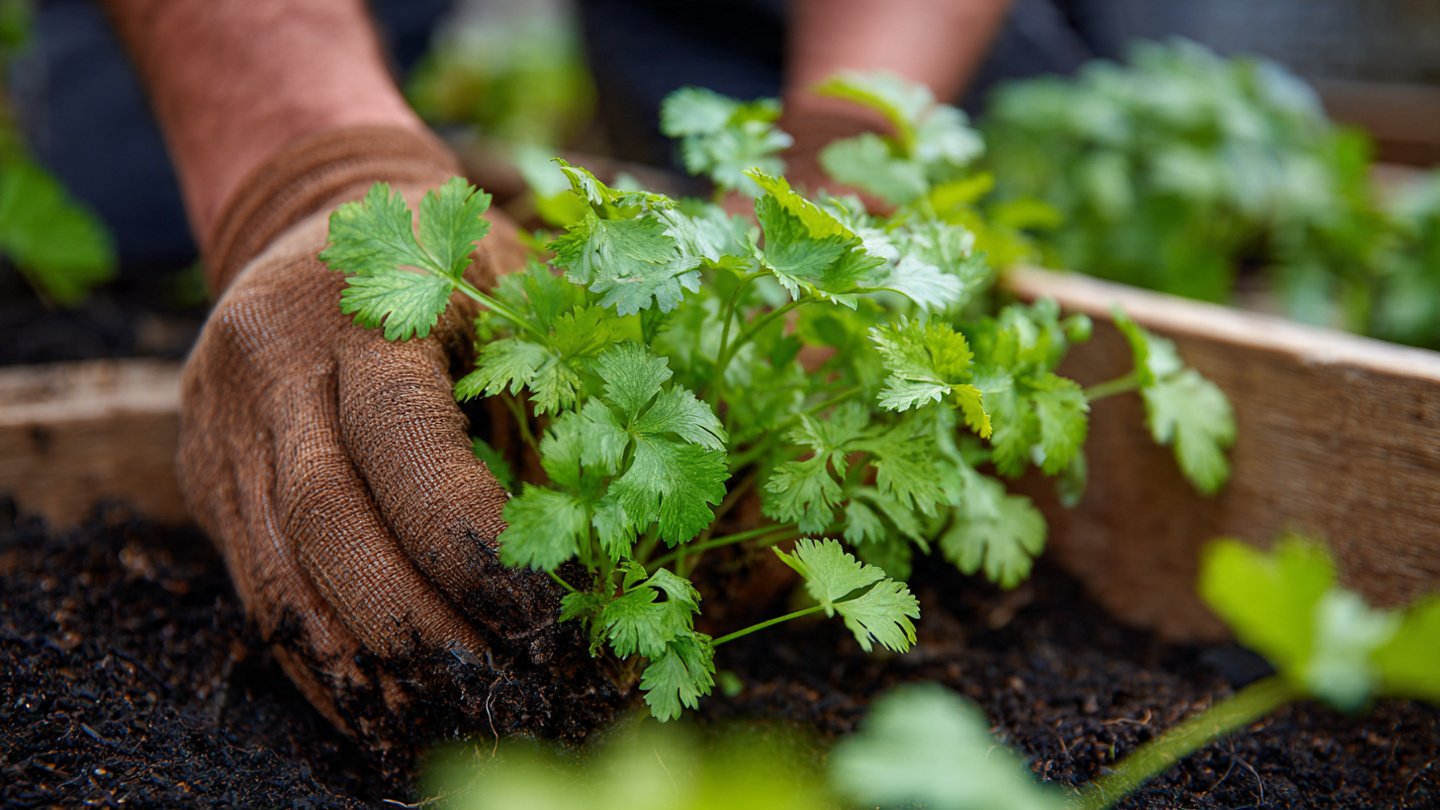
Coriander, also known as cilantro (Coriandrum sativum), is a versatile herb cherished worldwide for its fresh, aromatic leaves and essential role in cooking. From soups and salads to curries and salsas, coriander leaves are indispensable in kitchens. Yet, many gardeners struggle to grow a lush, continuous supply of coriander due to premature bolting, weak growth, or poor soil conditions.
The good news is that cultivating vibrant, leafy coriander doesn’t require complicated techniques or high-maintenance systems. With a few practical secrets, even a beginner gardener can enjoy a thriving coriander patch year-round. This comprehensive guide will uncover those secrets, helping you grow healthy, aromatic leaves that elevate your culinary creations.
Why Growing Coriander at Home is Worth It
Home-grown coriander offers several benefits over store-bought leaves:
- Freshness and flavor: Leaves picked fresh have intense aroma and taste.
- Continuous supply: By sowing regularly, you can harvest leaves multiple times.
- Cost-effective: Avoid frequent purchases from markets.
- Chemical-free: You control fertilizers and pesticides, ensuring organic quality.
- Aromatic garden: Coriander adds fragrance and attracts beneficial insects.
These advantages make it a staple for any kitchen garden.
Understanding Coriander Growth Habits
Coriander is an annual herb, completing its life cycle in 45–70 days depending on conditions. It grows in two main stages:
- Leaf stage: The plant produces lush, feathery leaves for culinary use.
- Flowering and seed stage: The plant bolts, producing flowers and seeds, signaling the end of leaf production.
The key to cultivating lush leaves is delaying bolting and maintaining optimal growing conditions.
Selecting the Right Variety
Different coriander varieties suit different climates and purposes. Some popular leafy varieties include:
- Santo: Slow-bolting, ideal for extended leaf harvest.
- Caribe: Vigorous growth and aromatic flavor.
- Jantar: Compact, ideal for container gardening.
Selecting a slow-bolting variety is the first secret to sustained leaf production.
Choosing the Perfect Location
Coriander thrives when given ideal sunlight and soil conditions:
- Sunlight: 4–6 hours of direct sun daily. In very hot climates, partial shade is preferable to prevent bolting.
- Soil: Loose, well-draining soil enriched with organic matter. Heavy clay can stunt growth.
- Airflow: Good airflow prevents fungal issues and keeps leaves healthy.
Location choice directly influences leaf size, flavor, and longevity.
Soil Preparation: Simple but Crucial
Coriander loves fertile, moist soil with slightly acidic to neutral pH (6.2–7.0).
Preparation steps:
- Loosen soil 6–8 inches deep.
- Mix in compost, vermicompost, or well-rotted manure.
- Add a handful of sand for better drainage if soil is heavy.
- Rake the soil smooth before sowing seeds.
Healthy soil ensures strong roots and vigorous leaf growth, reducing the chance of early bolting.
Sowing Coriander Seeds Effectively
Coriander grows best from seeds rather than transplants. Key tips:
- Direct sowing: Sow seeds ¼ inch deep in rows or scattered for dense patches.
- Spacing: 6–8 inches between seeds to allow airflow.
- Pre-soaking seeds: Soak for 12–24 hours to improve germination.
- Succession planting: Sow every 2–3 weeks for continuous harvest.
Seeds typically germinate in 7–14 days, depending on temperature and soil moisture.
Watering Secrets for Lush Leaves
Consistent moisture is crucial for leafy growth:
- Regular watering: Keep soil evenly moist but not soggy.
- Morning watering: Reduces fungal risk and ensures leaves are dry by evening.
- Mulching: Use straw or dried leaves to retain moisture and regulate temperature.
Proper watering keeps coriander tender and prevents stress-induced bolting.
Fertilizing for Maximum Leaf Production
Light, frequent feeding encourages dense, lush foliage:
- Compost or organic manure: Incorporate into soil before planting.
- Liquid feed: Use diluted compost tea, vermicompost extract, or seaweed solution every 2–3 weeks.
- Avoid high nitrogen alone: Balanced feeding prevents overly soft leaves prone to pests.
Healthy nutrients promote broad, aromatic leaves ideal for culinary use.
Protecting Plants from Heat and Pests
Coriander is sensitive to heat and common pests:
Prevent bolting due to heat:
- Provide partial shade during hot afternoons.
- Mulch heavily to keep roots cool.
Common pests:
- Aphids, leaf miners, and spider mites.
- Neem oil spray or insecticidal soap controls infestations naturally.
Beneficial insects like ladybugs help control pests without chemicals.
Harvesting for Continuous Growth
Frequent and strategic harvesting encourages more leaf production:
- Begin harvesting when plants reach 6 inches in height.
- Pinch outer leaves first; avoid cutting the central growing tip to prevent stunted regrowth.
- Harvest in the morning for maximum aroma.
- Regular leaf removal delays flowering and extends the leafy stage.
Succession sowing ensures a continuous supply of fresh leaves throughout the season.
Companion Planting for Better Growth
Planting coriander alongside other herbs or vegetables can improve growth and flavor:
- Tomatoes, peppers, or carrots: Coriander attracts beneficial insects that aid these crops.
- Basil and mint: Companion herbs enhance garden biodiversity.
- Avoid planting near fennel, which can inhibit coriander growth.
Companion planting promotes healthy leaves and a more resilient garden ecosystem.
Container Gardening for Limited Spaces
Even small spaces like balconies or patios can yield lush coriander leaves:
- Use 8–12 inch deep pots with good drainage.
- Fill with rich potting mix, water consistently, and provide sunlight.
- Container plants can be moved to shade during intense heat.
Containers allow controlled growth and easy succession planting.
Extending the Leafy Stage
To maximize harvest before bolting:
- Keep soil cool with mulch and consistent watering.
- Remove flowering shoots as soon as they appear.
- Provide partial shade in hot climates.
These simple techniques significantly extend the leafy production stage, giving more harvestable leaves.
Common Mistakes to Avoid
Avoid these mistakes to ensure lush coriander:
- Planting in hot, exposed locations.
- Overcrowding seeds or seedlings.
- Inconsistent watering leading to stress and bolting.
- Over-fertilizing with synthetic nitrogen only.
- Harvesting the central tip too early.
A mindful approach prevents leaf loss and prolongs the plant’s productive stage.
Final Thoughts
Growing lush coriander leaves doesn’t have to be complicated. By selecting slow-bolting varieties, preparing nutrient-rich soil, maintaining consistent moisture, and practicing smart harvesting, anyone can cultivate a thriving coriander patch. Whether in garden beds or containers, these practical secrets ensure a continuous supply of aromatic, flavorful leaves for your kitchen.
With attention to sunlight, water, and regular succession planting, coriander can become a reliable, low-maintenance herb in your garden, bringing freshness, flavor, and greenery all year round. 🌿✨
Healthy, leafy coriander is no longer a dream—it’s a simple, achievable reality for any gardener who follows these easy techniques.