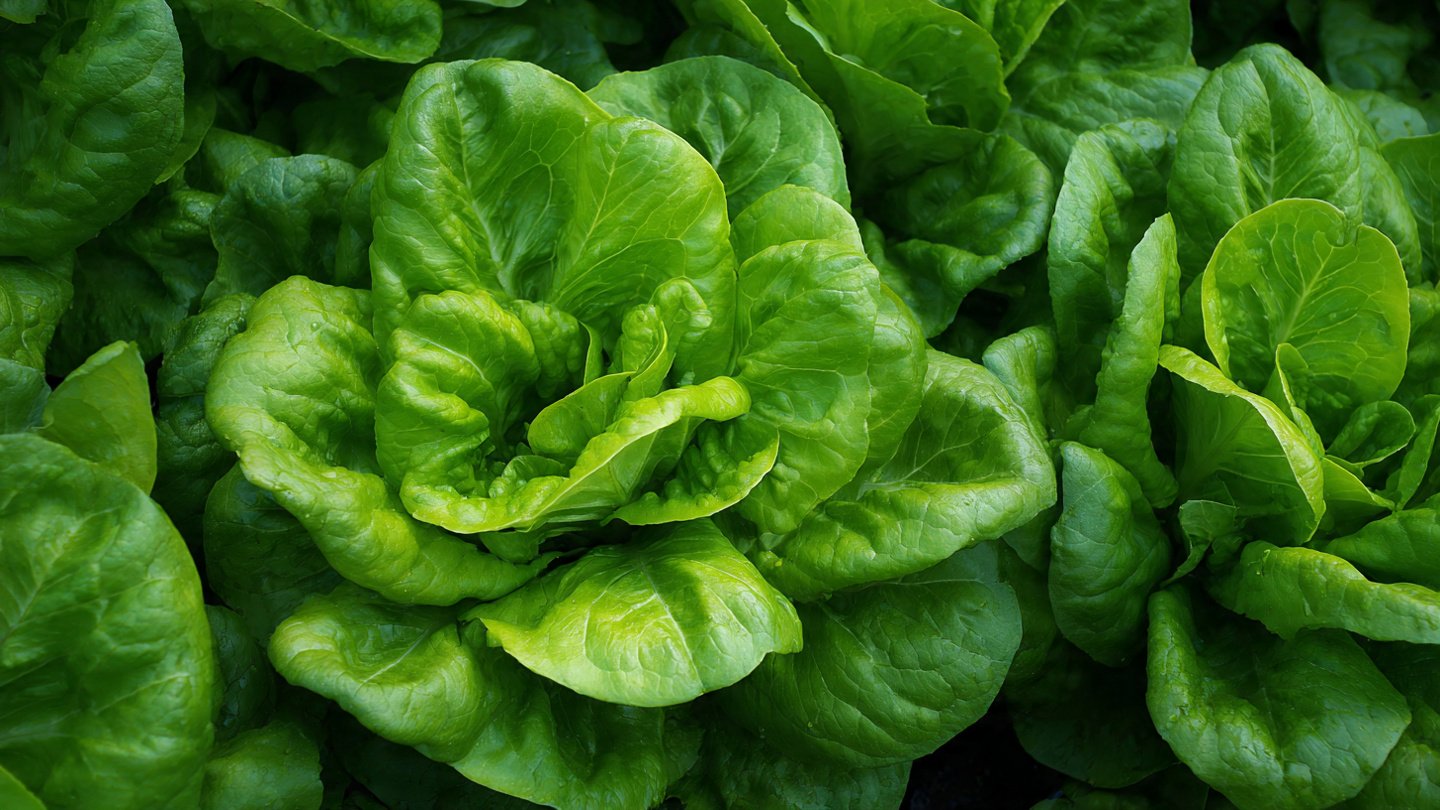
Butterhead lettuce is one of the most rewarding leafy greens you can grow at home. Known for its soft, tender leaves and mild, buttery flavor, this lettuce variety is perfect for salads, sandwiches, and wraps. Unlike some vegetables that demand extensive care, butterhead lettuce thrives with simple attention, making it ideal for beginners and experienced gardeners alike. This comprehensive guide will walk you through everything you need to know—from soil preparation to harvesting—so you can enjoy fresh, homegrown butterhead lettuce straight from your garden.
Understanding Butterhead Lettuce
Butterhead lettuce includes popular varieties such as Boston and Bibb lettuce. These types form loose, rounded heads with delicate leaves that are less crunchy than romaine but more flavorful than iceberg. Butterhead lettuce grows best in cool weather and matures quickly, often ready to harvest within 45 to 60 days. Because of its compact size and shallow root system, it is well suited for garden beds, containers, and even balcony gardening.
Choosing the Right Variety
Selecting the right butterhead variety is an important first step. Some popular and reliable options include:
- Boston Lettuce – Large heads with sweet, soft leaves
- Bibb Lettuce – Smaller heads with rich flavor, ideal for containers
- Buttercrunch – Slightly more heat-tolerant and crisp
If you live in a warmer climate, choose heat-resistant varieties to reduce the risk of bolting (premature flowering).
Ideal Growing Conditions
Climate and Temperature
Butterhead lettuce prefers cool temperatures between 10°C and 20°C (50°F–68°F). It grows best in spring and fall. In warmer regions, it can be grown during winter or in partially shaded areas during mild summers.
Sunlight Requirements
Lettuce grows well with 4–6 hours of sunlight daily. Morning sun with afternoon shade is ideal, especially in warmer climates. Too much direct heat can cause bitter leaves and early bolting.
Preparing the Soil
Healthy soil is key to tender, flavorful lettuce. Butterhead lettuce prefers:
- Loose, well-draining soil
- Rich in organic matter
- Slightly acidic to neutral pH (6.0–7.0)
Before planting, mix compost or well-rotted manure into the soil. This improves fertility, moisture retention, and overall soil structure. Avoid compacted soil, as lettuce roots are shallow and need easy access to nutrients.
Planting Butterhead Lettuce
Starting from Seeds
Butterhead lettuce is best grown from seeds. You can sow seeds directly into the garden or start them indoors.
- Sow seeds ¼ inch deep
- Space seeds 6–8 inches apart
- Rows should be 12 inches apart
For continuous harvests, practice succession planting by sowing new seeds every 2–3 weeks.
Transplanting Seedlings
If starting indoors, transplant seedlings when they have 3–4 true leaves. Handle gently to avoid damaging roots and plant them at the same depth they were growing previously.
Watering Techniques
Consistent moisture is essential for growing tender lettuce. Butterhead lettuce needs:
- Regular, light watering
- Soil kept evenly moist but not waterlogged
Water early in the morning to reduce evaporation and disease risk. Drip irrigation or a gentle watering can helps avoid splashing soil onto leaves, which can spread disease.
Fertilizing for Healthy Growth
Lettuce is a light feeder but benefits from balanced nutrition.
- Apply a balanced organic fertilizer or compost tea every 2–3 weeks
- Avoid excess nitrogen, which can cause overly soft growth and reduced flavor
If leaves appear pale or growth slows, a mild nitrogen boost can help—but moderation is key.
Mulching Benefits
Applying organic mulch such as straw, dried leaves, or grass clippings helps:
- Retain soil moisture
- Regulate soil temperature
- Suppress weeds
Mulching is especially helpful during warmer periods to keep roots cool and prevent bolting.
Pest and Disease Management
Butterhead lettuce is relatively easy to grow but can attract pests such as aphids, slugs, and snails.
Common Solutions:
- Hand-pick slugs and snails
- Use neem oil or insecticidal soap for aphids
- Encourage beneficial insects like ladybugs
To prevent diseases:
- Avoid overhead watering
- Ensure good air circulation
- Rotate crops each season
Preventing Bolting
Bolting occurs when lettuce sends up a flower stalk, causing bitter leaves. To prevent this:
- Grow during cool seasons
- Provide shade in hot weather
- Harvest promptly once mature
- Choose bolt-resistant varieties
Growing Butterhead Lettuce in Containers
Butterhead lettuce is perfect for container gardening.
- Use containers at least 6–8 inches deep
- Ensure proper drainage holes
- Use high-quality potting mix
- Place containers in partial sun
Containers dry out faster than garden beds, so check moisture levels daily.
Harvesting Butterhead Lettuce
Harvesting at the right time ensures the best flavor and texture.
- Heads are ready when they feel firm but not tight
- You can harvest the entire head or pick outer leaves for cut-and-come-again harvests
- Harvest early in the morning for crisp, fresh leaves
Regular harvesting encourages continued growth and prevents bolting.
Storing and Using Your Harvest
Fresh butterhead lettuce is best used immediately, but it can be stored:
- Wrap loosely in a damp paper towel
- Place in a breathable bag in the refrigerator
- Use within 5–7 days for best quality
Its tender leaves are perfect for salads, lettuce wraps, and garnishes.
Final Thoughts
Growing butterhead lettuce at home is a simple and satisfying gardening experience. With the right soil, consistent watering, and attention to temperature, you can enjoy a steady supply of fresh, flavorful lettuce throughout the growing season. Whether planted in garden beds, raised beds, or containers, butterhead lettuce rewards even minimal effort with abundant harvests.
By following these proven techniques, you’ll not only grow healthier plants but also gain confidence in cultivating your own food—one crisp, buttery leaf at a time.