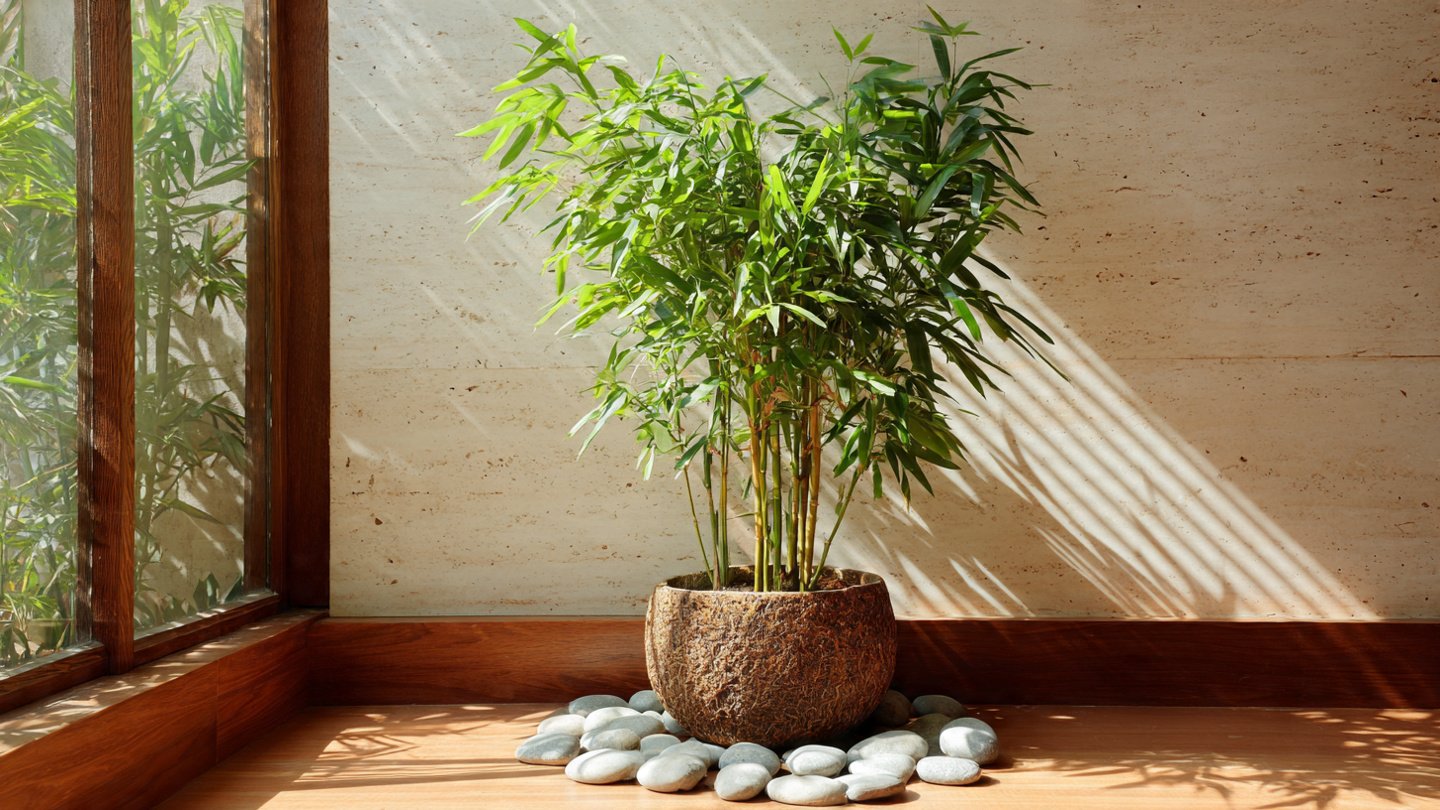
Bamboo, with its elegant stalks and lush green foliage, is one of the most popular indoor plants worldwide. Known for its fast growth, aesthetic appeal, and symbolic significance in many cultures, bamboo can instantly uplift any living space. However, growing bamboo indoors requires careful planning and attention to detail. While outdoor bamboo thrives in natural sunlight and ample space, indoor cultivation comes with challenges such as limited light, humidity control, and container constraints.
This comprehensive guide will walk you through the best methods for successfully growing bamboo indoors, ensuring your plants not only survive but flourish, providing a striking centerpiece for your home or office.
Understanding Bamboo and Its Varieties
Bamboo belongs to the Poaceae family and is technically a type of grass, though it grows like a tree with tall stalks called culms. There are hundreds of bamboo species, but indoor gardening typically involves smaller, clumping varieties rather than invasive running types.
Popular indoor bamboo species include:
- Bambusa ventricosa (Buddha’s Belly Bamboo) – Known for its bulbous stems and tolerance for indoor conditions.
- Dracaena sanderiana (Lucky Bamboo) – Actually not true bamboo but widely sold as “lucky bamboo,” ideal for water or soil cultivation indoors.
- Fargesia rufa – Clumping bamboo with slow growth and tolerance for container life.
- Bambusa multiplex – Small and versatile, perfect for decorative indoor arrangements.
Understanding your bamboo species helps tailor care techniques for optimal growth and visual impact.
Choosing the Right Container
Selecting the right pot is crucial for indoor bamboo growth. Unlike outdoor bamboo, which has limitless soil and space, container-grown bamboo depends entirely on its pot for nutrients, water, and support.
Container guidelines:
- Size: Choose a pot at least 12–18 inches deep and wide enough to accommodate root growth. Larger species may require wider containers to prevent root crowding.
- Drainage: Ensure the pot has multiple drainage holes. Standing water can cause root rot.
- Material: Ceramic or plastic pots are ideal. Heavy ceramic pots provide stability for taller bamboo varieties.
Tip: Repot your bamboo every 2–3 years to allow for root expansion and fresh soil, which promotes healthy growth.
Soil Requirements for Indoor Bamboo
Bamboo prefers well-draining soil rich in organic matter. The right soil prevents waterlogging while retaining sufficient moisture for root development.
Ideal soil mix:
- 40% potting soil
- 30% compost or well-rotted manure
- 20% sand for drainage
- 10% perlite or vermiculite to aerate the soil
Ensure the soil is slightly acidic to neutral, with a pH range of 6.0–7.0, as bamboo grows best under these conditions.
Light Requirements for Indoor Bamboo
Light is one of the most critical factors for indoor bamboo growth. While bamboo thrives in full sunlight outdoors, indoor conditions usually require adjustments.
Light tips:
- Place bamboo near bright, indirect sunlight, such as by a south- or east-facing window.
- Avoid direct harsh sunlight, which can scorch leaves.
- In low-light environments, use grow lights to supplement natural light, ensuring at least 6–8 hours of light daily.
Proper lighting enhances bamboo’s vibrant green color and supports strong stalk development.
Watering Techniques
Bamboo requires consistent moisture but is sensitive to overwatering. Indoor conditions often necessitate careful monitoring of soil moisture.
Watering guidelines:
- Water thoroughly until excess drains from the bottom of the pot.
- Maintain evenly moist soil, avoiding soggy conditions that can lead to root rot.
- Reduce watering slightly during the dormant season, usually winter.
- For lucky bamboo in water, change the water every 1–2 weeks and add fresh pebbles or stones to support the stalks.
Mulching the soil surface with organic material can also help retain moisture and regulate temperature.
Temperature and Humidity
Bamboo is a tropical or subtropical plant, and indoor conditions often differ significantly from its natural habitat.
Optimal indoor conditions:
- Temperature: 18–27°C (65–80°F) is ideal. Avoid cold drafts or sudden temperature fluctuations.
- Humidity: Moderate to high humidity supports lush growth. Use a humidifier or place a tray of water nearby during dry seasons.
- Regular misting of leaves helps prevent browning tips, especially in winter when indoor air tends to be drier.
Fertilization for Optimal Growth
Indoor bamboo requires regular nutrients to maintain its growth and aesthetic appeal.
Fertilization tips:
- Use a balanced liquid fertilizer every 4–6 weeks during the growing season.
- For lucky bamboo in water, add a few drops of liquid fertilizer diluted 1/4 strength every month.
- Avoid over-fertilization, which can burn roots and leaves.
Organic options like worm castings or compost tea work well and enhance overall plant health.
Pruning and Maintenance
Pruning is essential to keep bamboo looking attractive indoors and prevent it from becoming too crowded or leggy.
Pruning tips:
- Remove yellowing or dead leaves promptly to maintain plant health.
- Trim excessively long stalks to control height and encourage lateral growth.
- Thin crowded areas to allow air circulation, reducing fungal risks.
Regular maintenance ensures bamboo remains a striking centerpiece without overshadowing its surroundings.
Controlling Pests and Diseases
Indoor bamboo is generally hardy but can be affected by pests like spider mites, aphids, and mealybugs, especially in dry indoor air.
Pest control methods:
- Wipe leaves regularly with a damp cloth to remove dust and pests.
- Spray with neem oil or insecticidal soap if infestations occur.
- Maintain proper humidity and airflow to reduce stress-related pest problems.
Healthy, well-maintained bamboo is naturally more resistant to both pests and diseases.
Propagation Methods
Indoor bamboo can be propagated through several methods to expand your collection:
- Division: Carefully separate clumps during repotting and plant each section in a new container.
- Stem cuttings: Cut a healthy stalk and plant it in soil or water, depending on the species.
- Layering: Bend a stalk to the soil surface and encourage roots to form before separating.
Propagation is an exciting way to multiply your indoor bamboo without purchasing new plants.
Using Bamboo for Aesthetic Appeal
Bamboo is not just a plant; it’s an interior design element.
Decorative tips:
- Arrange bamboo in tall pots for corner accents.
- Use smaller clumps or lucky bamboo on desks, shelves, or tabletops.
- Combine with stones, pebbles, or glass containers for Zen-like displays.
- Cluster multiple pots to create a mini bamboo grove indoors.
Bamboo adds a calming, natural touch while enhancing the aesthetic appeal of any indoor space.
Common Mistakes to Avoid
To ensure your bamboo thrives indoors, avoid these pitfalls:
- Overwatering or waterlogging the roots
- Exposing plants to direct harsh sunlight for long periods
- Neglecting humidity, especially in winter
- Using nutrient-poor soil or failing to fertilize
- Ignoring pruning, resulting in leggy, unattractive growth
By avoiding these common mistakes, your indoor bamboo will flourish and maintain its beauty.
Final Thoughts
Growing bamboo indoors is a rewarding experience, combining lush greenery with elegance and tranquility. With the right container, soil, lighting, watering, and maintenance, you can cultivate bamboo that not only thrives but enhances your living space. From the tall, graceful stalks to the vibrant green foliage, bamboo offers both aesthetic appeal and a touch of nature indoors.
Whether you choose true bamboo species or lucky bamboo for water cultivation, following these best methods ensures optimal growth and long-term success. With consistent care, attention to detail, and proper environmental conditions, your indoor bamboo plants will become a stunning focal point, adding beauty, serenity, and a natural vibe to your home or office.