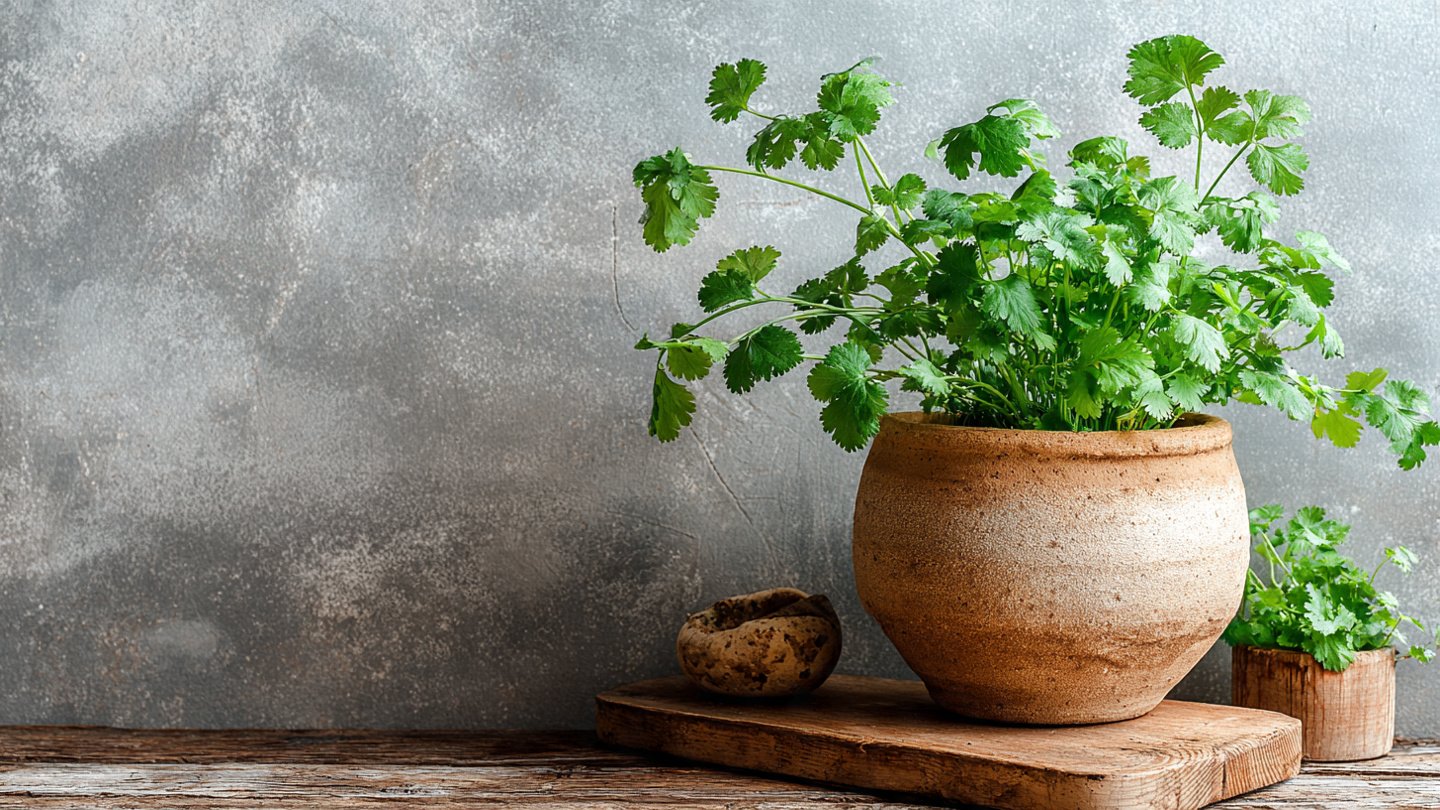
Coriander, also known as cilantro or dhania, is a fragrant herb that adds a fresh, vibrant flavor to a variety of dishes. While it’s commonly grown outdoors in gardens, cultivating coriander indoors has become increasingly popular for urban dwellers and kitchen gardeners. Growing coriander indoors ensures a constant supply of fresh leaves, even during off-seasons, and eliminates the need for frequent trips to the grocery store. With the right approach, anyone can successfully cultivate coriander indoors, regardless of space or gardening experience.
This guide will walk you through the process step by step, covering everything from selecting seeds to harvesting and troubleshooting common problems, making indoor coriander cultivation effortless and rewarding.
Why Grow Coriander Indoors?
Indoor cultivation of coriander offers several advantages:
- Year-Round Fresh Supply: Unlike outdoor planting, which depends on seasonal conditions, indoor coriander can be grown throughout the year.
- Pest-Free Environment: Growing indoors significantly reduces the risk of pests and diseases common in outdoor gardens.
- Space Efficiency: Even if you live in an apartment, a small balcony, kitchen counter, or windowsill can suffice for growing coriander.
- Cost-Effective: Homegrown coriander reduces your grocery bill and eliminates the need for frequent purchases.
- Sustainability: Growing herbs indoors promotes eco-friendly living by reducing packaging waste from store-bought herbs.
Choosing the Right Coriander Variety
Coriander comes in various varieties, each with subtle differences in flavor, leaf size, and growth habit. When selecting seeds for indoor gardening, look for:
- Leafy Varieties: Ideal for harvesting fresh leaves frequently. Varieties like ‘Santo’ or ‘Calypso’ are fast-growing and prolific.
- Slow-Bolting Varieties: Indoor conditions can sometimes encourage premature flowering (bolting). Slow-bolting varieties extend leaf production.
- Certified Organic Seeds: Using organic seeds reduces the risk of chemical residues and ensures healthier plants.
Choosing the right variety sets the foundation for a successful indoor garden.
Selecting the Perfect Container
The container plays a crucial role in indoor coriander cultivation. Here’s what to keep in mind:
- Size: Choose pots that are at least 6–8 inches deep. Coriander has a taproot that grows downward, so sufficient depth is necessary.
- Material: Plastic, clay, or ceramic pots all work. Clay pots allow better aeration, while plastic retains moisture longer.
- Drainage: Ensure the pot has drainage holes at the bottom to prevent waterlogging, which can lead to root rot.
For a decorative touch, you can use colorful containers or small indoor planters, but functionality should always come first.
Preparing the Soil
Coriander thrives in well-draining, nutrient-rich soil. Indoor potting requires soil that balances moisture retention with proper drainage.
A recommended soil mix includes:
- Potting Soil (50%): Provides a lightweight, airy base for root development.
- Compost or Vermicompost (30%): Supplies essential nutrients for healthy growth.
- Perlite or Sand (20%): Improves drainage and prevents soil compaction.
Avoid using garden soil alone, as it can be heavy and may contain pests. Loosely packed soil encourages proper root development and leaf growth.
Sowing Seeds Indoors
Growing coriander from seeds is simple and highly effective. Follow these steps for optimal results:
- Soak Seeds (Optional): Soaking coriander seeds in water for 12–24 hours can speed up germination.
- Sow Seeds: Scatter seeds evenly across the soil surface or plant them ¼–½ inch deep. Space seeds at least 1–2 inches apart to allow room for growth.
- Cover Lightly: Gently cover seeds with a thin layer of soil to protect them.
- Water: Mist the soil lightly to avoid displacing seeds. Keep the soil consistently moist until germination.
Seeds usually germinate in 7–14 days, depending on temperature and moisture.
Watering and Moisture Management
Coriander prefers evenly moist soil but is sensitive to waterlogging. Indoor gardeners should monitor soil moisture regularly:
- Frequency: Water when the top inch of soil feels dry to the touch.
- Method: Use a watering can or spray bottle for gentle watering. Avoid pouring water directly onto seeds or young seedlings.
- Humidity: Indoor air can be dry, especially during winter. Place a small tray of water near the plants or use a humidifier to maintain moderate humidity.
Proper moisture management prevents root rot and supports healthy leaf growth.
Providing Adequate Light
Light is one of the most critical factors for indoor coriander growth:
- Natural Light: Place pots near a south-facing window to receive at least 4–6 hours of sunlight per day.
- Artificial Light: If sunlight is insufficient, use a full-spectrum LED grow light for 12–14 hours daily. Position the light 6–12 inches above the plants.
- Rotation: Rotate pots occasionally to ensure even light exposure and uniform growth.
Insufficient light can cause slow growth and leggy stems, while proper light encourages lush, aromatic leaves.
Temperature and Indoor Climate
Coriander thrives in moderate temperatures, ideally between 18–25°C (65–77°F). Extreme indoor conditions can affect growth:
- Too Hot: Temperatures above 30°C (86°F) can cause premature bolting.
- Too Cold: Temperatures below 15°C (59°F) slow growth significantly.
- Air Circulation: Ensure good air movement around plants to prevent fungal diseases and encourage strong stems.
Maintaining a stable indoor climate is key to a productive coriander harvest.
Fertilizing Your Indoor Coriander
Since pots contain limited soil, nutrient replenishment is necessary:
- Organic Fertilizers: Compost tea, diluted cow dung slurry, or liquid seaweed solution are ideal.
- Frequency: Feed every 10–15 days, avoiding over-fertilization, which can lead to excessive leaf growth with less flavor.
- Observation: Yellowing leaves may indicate nitrogen deficiency, while weak growth may require potassium-rich fertilizers.
Balanced nutrition ensures healthy, flavorful leaves.
Pruning and Harvesting
Regular pruning encourages bushier growth and prevents flowering:
- Pinching Tips: Once plants reach 4–6 inches in height, pinch off the top few leaves to promote branching.
- Harvesting Leaves: Harvest outer leaves first while allowing the center to continue growing. This technique prolongs the harvesting period.
- Flower Prevention: Remove flower buds promptly to prevent seeds from forming and slowing leaf production.
Frequent harvesting keeps plants productive and maintains a steady supply of fresh coriander.
Common Indoor Challenges and Solutions
Even indoor coriander may face minor problems. Here’s how to tackle them:
- Leggy Growth: Often due to insufficient light. Move plants closer to windows or use grow lights.
- Yellowing Leaves: Usually caused by overwatering or nutrient deficiency. Adjust watering and provide balanced fertilizer.
- Pests: Spider mites or aphids can appear. Use neem oil spray or mild soapy water for treatment.
- Bolting: Occurs when the plant is stressed by heat or light changes. Keep temperature moderate and avoid sudden shifts.
Being proactive and observant ensures your indoor coriander thrives.
Benefits of Growing Coriander Indoors
Indoor coriander cultivation offers multiple rewards:
- Fresh, Aromatic Leaves: Homegrown coriander is more flavorful and aromatic than store-bought alternatives.
- Health Benefits: Coriander is rich in vitamins, minerals, and antioxidants that support digestion, immunity, and overall health.
- Cost Savings: Reduces reliance on store-bought herbs, especially in off-season periods.
- Decorative Appeal: Indoor coriander adds a touch of green to your kitchen or living space.
- Therapeutic Gardening: Tending plants indoors reduces stress, improves mood, and fosters a connection with nature.
Final Thoughts
Cultivating coriander indoors is a simple, practical, and rewarding way to enjoy fresh herbs year-round. By selecting the right seeds, using suitable containers, providing optimal soil, water, light, and temperature conditions, anyone can effortlessly grow healthy coriander at home.
Whether you’re an experienced gardener or a beginner, indoor coriander cultivation offers convenience, sustainability, and a continuous supply of aromatic leaves for your cooking. With minimal effort, you can transform your kitchen, balcony, or windowsill into a thriving herb garden—bringing freshness, flavor, and natural beauty into your home.