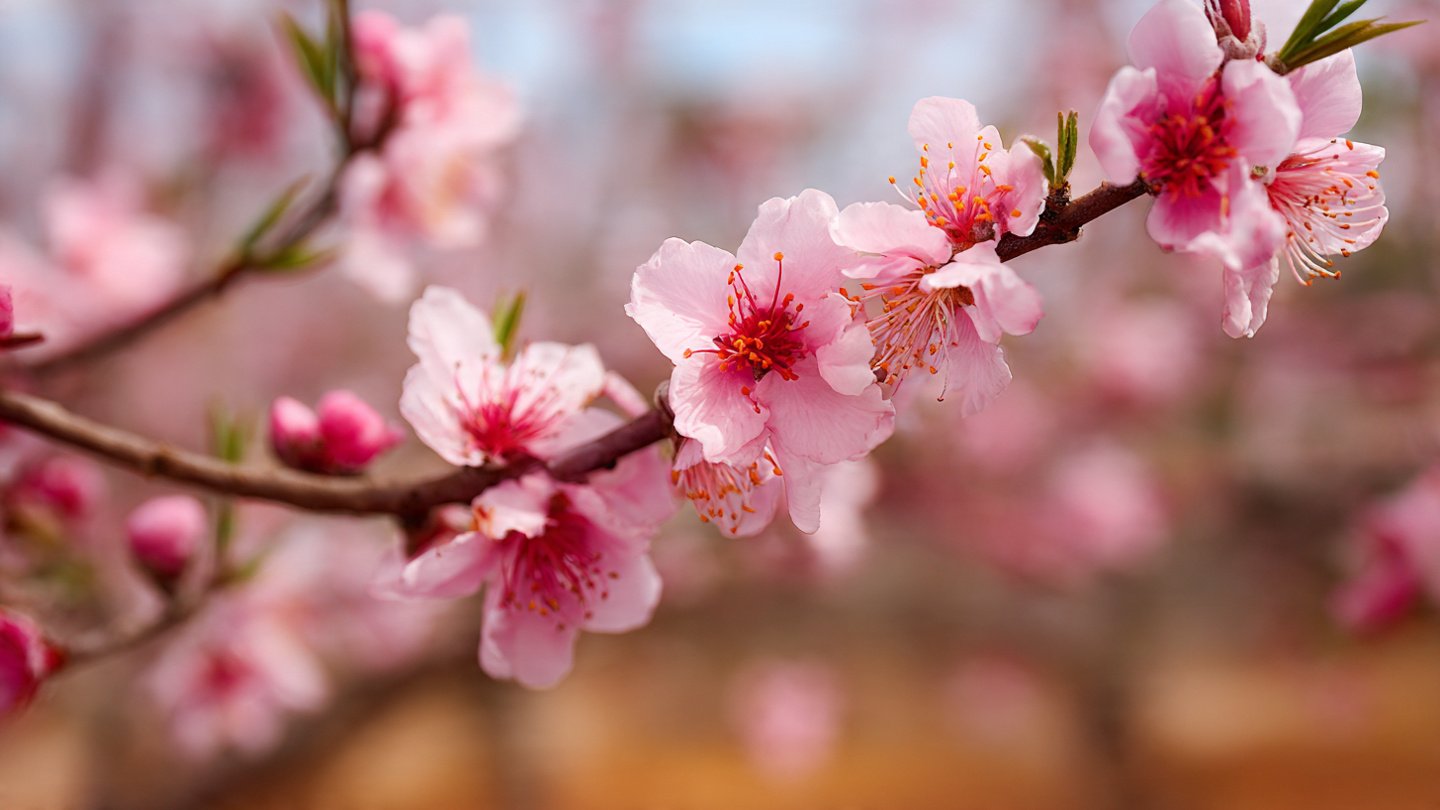
Peach trees are often associated with warm, sunny regions, but with the right techniques, they can thrive even in colder climates. Many gardeners believe peaches are impossible to grow where winters are harsh, yet modern cold-hardy varieties and smart growing methods have made this delicious fruit accessible far beyond traditional zones.
If you live in a region with freezing winters, late frosts, or short growing seasons, this guide will show you simple, proven methods to grow healthy, productive peach trees in cold climates. With careful planning, proper variety selection, and seasonal care, you can enjoy sweet, homegrown peaches even where snow is part of the year.
Understanding the Challenges of Cold-Climate Peach Growing
Before planting, it’s important to understand what makes cold climates challenging for peach trees:
- Winter damage from extreme cold
- Late spring frosts that kill blossoms
- Short growing seasons
- Temperature fluctuations that stress trees
Peach trees are particularly sensitive because they bloom early, making them vulnerable to frost. However, these challenges can be managed with the right approach.
Choose the Right Cold-Hardy Peach Varieties
The most important step in cold-climate success is selecting the right variety. Not all peach trees are the same, and some are bred specifically to tolerate cold temperatures.
Best Peach Varieties for Cold Climates
Look for varieties known for winter hardiness and late blooming, such as:
- Reliance
- Contender
- Madison
- Redhaven
- Veteran
These varieties can survive temperatures as low as -20°F (-29°C) and often bloom later, reducing frost damage.
Chill Hours Matter
Peach trees require a certain number of chill hours (hours below 45°F) to produce fruit. Cold climates usually meet this requirement easily, but choosing a variety suited to your local chill hours ensures reliable fruiting.
Select the Best Planting Location
Location plays a major role in protecting peach trees from cold damage.
Ideal Spot for Cold Regions
- Full sun (at least 6–8 hours daily)
- South-facing or west-facing slope for warmth
- Good air drainage to prevent frost pockets
- Shelter from strong winds, such as near a fence or building
Avoid low-lying areas where cold air settles, as these spots increase the risk of frost injury.
Planting at the Right Time
In cold climates, spring planting is usually best.
Why Spring Planting Works Better
- Allows roots to establish before winter
- Reduces risk of frost damage to young trees
- Gives the tree a full growing season to strengthen
Plant after the ground has thawed but before buds begin to break.
Proper Soil Preparation for Cold Climates
Healthy soil is essential for cold tolerance.
Ideal Soil Conditions
- Well-draining soil (peach trees hate wet roots)
- Slightly acidic to neutral pH (6.0–7.0)
- Rich in organic matter
Improve Cold-Climate Soil
- Mix compost or well-rotted manure into the planting hole
- Add sand or organic matter to heavy clay soils
- Avoid excessive nitrogen, which encourages weak growth
Good drainage prevents root rot, which is more common in cold, wet soils.
Smart Planting Techniques
How you plant matters just as much as where.
Planting Tips
- Dig a hole twice as wide as the root ball
- Keep the graft union above soil level
- Backfill gently without compacting the soil
- Water deeply after planting
Avoid planting too deep, as this increases the risk of disease and cold damage.
Winter Protection Is the Key to Survival
Cold climates demand extra winter care for peach trees.
Mulching for Insulation
Apply a thick layer of mulch (straw, wood chips, or leaves) around the base of the tree:
- Insulates roots from extreme cold
- Prevents freeze-thaw cycles
- Retains soil moisture
Keep mulch a few inches away from the trunk to prevent rot.
Trunk Protection
Young peach trees are especially vulnerable to winter damage.
- Wrap trunks with tree guards or burlap
- Protects against sunscald and frost cracking
- Deters rodents from chewing bark
Remove wraps in early spring to prevent moisture buildup.
Pruning for Cold-Climate Success
Proper pruning improves cold tolerance and fruit production.
When to Prune
- Late winter to early spring, before buds open
- Avoid fall pruning, which stimulates tender growth
How Pruning Helps
- Improves air circulation
- Encourages strong branch structure
- Reduces disease risk
Open-center pruning is ideal for peach trees, allowing sunlight to reach all branches.
Protecting Blossoms from Late Spring Frosts
Late frosts are one of the biggest threats to peach crops.
Simple Frost Protection Methods
- Cover trees with frost blankets or sheets overnight
- Use buckets or barrels of water nearby to release heat
- Apply water during frost events (advanced technique)
Even small temperature differences can save blossoms and preserve your harvest.
Watering and Feeding in Cold Regions
Cold climates don’t eliminate the need for proper watering and nutrition.
Watering Tips
- Water deeply but infrequently
- Avoid soggy soil, especially in cool weather
- Reduce watering in late fall
Fertilization
- Apply balanced fertilizer in early spring
- Avoid late-season fertilizing, which promotes tender growth
- Compost is often sufficient for mature trees
Healthy trees are more resilient to cold stress.
Pest and Disease Management in Cooler Climates
While cold climates reduce some pests, diseases can still occur.
Common Issues
- Peach leaf curl
- Brown rot
- Aphids and borers
Prevention Strategies
- Apply dormant oil sprays in late winter
- Keep fallen leaves and fruit cleaned up
- Maintain good airflow through pruning
Preventive care is easier than treatment.
Growing Peaches in Containers in Cold Areas
If winters are extremely harsh, container growing is a smart option.
Benefits of Containers
- Trees can be moved to protected areas
- Better temperature control
- Ideal for patios and small spaces
Use large containers with excellent drainage and overwinter trees in unheated garages or sheltered locations.
Patience Pays Off: What to Expect
Peach trees grown in cold climates may take an extra year to settle in, but once established:
- Trees become more resilient
- Fruit quality improves each year
- Harvests become consistent with proper care
Most peach trees begin producing fruit within 2–4 years.
Final Thoughts
Growing peach trees in cold climates is not only possible—it’s incredibly rewarding. By choosing cold-hardy varieties, planting in the right location, protecting trees through winter, and managing frost risks, you can enjoy fresh, juicy peaches even in challenging conditions.
The key is preparation and consistency. With these simple methods, cold temperatures become a manageable obstacle rather than a barrier.
If you’re willing to give your peach trees a little extra care, they’ll reward you with beauty, fragrance, and delicious harvests for years to come.