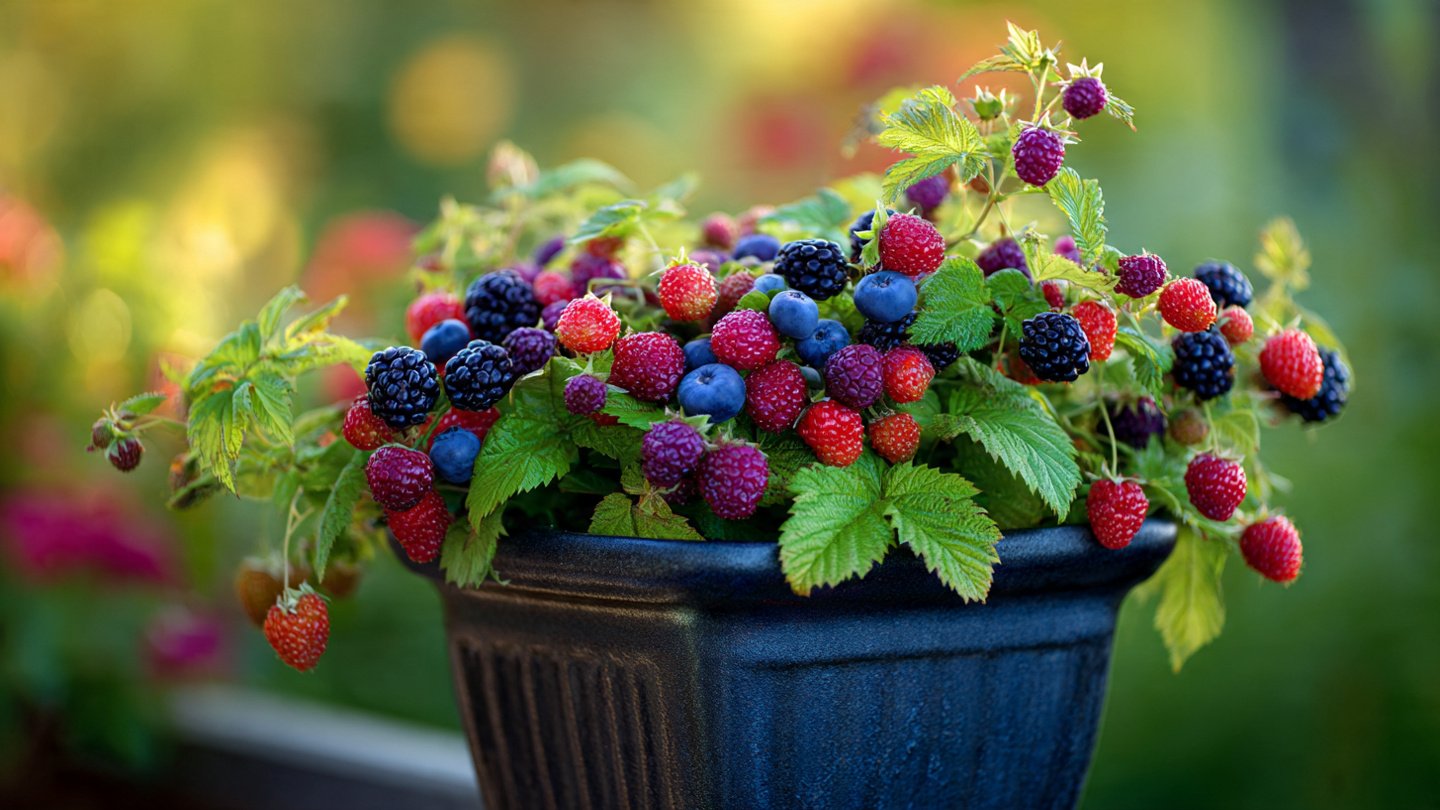
Fresh, sun-ripened berries are one of the greatest joys of home gardening. The good news? You don’t need acres of land to grow them. With the right planning and care, you can create a vibrant mixed berry container garden on a balcony, patio, rooftop, or even a sunny doorstep. Container gardening makes it possible to enjoy strawberries, blueberries, raspberries, and other berries in small spaces while maintaining excellent control over soil quality, watering, and plant health.
This ultimate guide walks you step by step through designing, planting, and maintaining a productive mixed berry container garden that delivers beauty and delicious harvests season after season.
Why Choose a Mixed Berry Container Garden?
Container gardening offers several unique advantages, especially for berry plants:
- Space Efficiency: Perfect for apartments, patios, and urban homes
- Soil Control: Tailor soil conditions for each berry type
- Pest Reduction: Easier to manage insects and diseases
- Mobility: Move containers to follow sunlight or protect from weather
- Visual Appeal: Berry plants provide flowers, fruit, and foliage color
Growing a mix of berries not only increases harvest variety but also creates a visually lush and productive garden display.
Best Berries for Container Gardening
Not all berries perform equally well in containers. Choose varieties bred for compact growth and container success.
Strawberries
- Shallow root systems
- Ideal for pots, hanging baskets, and tiered planters
- Everbearing and day-neutral varieties produce fruit over a long season
Blueberries
- Require acidic soil
- Choose dwarf or patio varieties
- Provide beautiful spring flowers and fall foliage color
Raspberries
- Compact or dwarf varieties work well
- Need sturdy containers and support
- Excellent for vertical interest
Blackberries
- Thornless dwarf cultivars are best
- Require large containers and support
Lingonberries and Gooseberries
- Hardy and compact
- Ideal for cooler climates
- Great for mixing with other berry types
Selecting compatible varieties ensures healthy growth and balanced care.
Choosing the Right Containers
Container selection is critical for success in a mixed berry garden.
Container Size
- Strawberries: 8–12 inches deep
- Blueberries: 16–20 inches deep and wide
- Raspberries & Blackberries: 20+ inches with strong support
Material
- Plastic: Lightweight and moisture-retentive
- Terracotta: Attractive but dries out faster
- Fabric Grow Bags: Excellent drainage and aeration
Drainage
Always ensure containers have drainage holes. Poor drainage leads to root rot and poor fruit production.
Soil Requirements for Mixed Berry Containers
Healthy soil is the foundation of a productive berry garden.
Ideal Soil Mix
- High-quality potting mix (never garden soil)
- Added compost for nutrients
- Perlite or coarse sand for drainage
Special Note on Blueberries
Blueberries require acidic soil (pH 4.5–5.5). Use ericaceous potting mix or amend with peat moss or pine bark.
Avoid mixing blueberries in the same container as other berries unless soil conditions are compatible.
Light and Placement
Berries thrive in sunlight.
- Minimum: 6 hours of direct sunlight daily
- Ideal: 8–10 hours for maximum fruiting
- Place containers where they receive morning sun and some afternoon protection in hot climates
Rotate containers weekly to ensure even growth.
Planting Your Mixed Berry Container Garden
Step 1: Prepare Containers
- Add drainage layer if needed
- Fill with appropriate soil mix
- Water soil lightly before planting
Step 2: Plant Berries
- Place plants at the same depth they were growing previously
- Space plants properly to allow airflow
- Firm soil gently around roots
Step 3: Water Thoroughly
Water until excess drains from the bottom.
Watering and Feeding Schedule
Container berries require consistent moisture.
Watering
- Water deeply when the top inch of soil is dry
- Avoid waterlogging
- Increase watering during flowering and fruiting
Fertilizing
- Use a balanced organic fertilizer every 3–4 weeks
- Blueberries need acid-loving plant fertilizer
- Avoid excess nitrogen, which promotes leaves over fruit
Supporting and Training Berry Plants
Some berry plants need support to thrive.
- Use trellises, stakes, or cages for raspberries and blackberries
- Guide canes gently as they grow
- Remove weak or damaged stems
Proper training improves air circulation and fruit quality.
Pollination Tips for Better Yields
Many berry plants are self-fertile but benefit from pollinators.
- Grow flowering companion plants nearby
- Hand-pollinate by gently brushing flowers
- Place containers outdoors during bloom when possible
Better pollination equals bigger, more flavorful berries.
Pruning and Maintenance
Regular maintenance keeps plants productive.
Pruning Guidelines
- Remove dead or weak canes
- After fruiting, cut back spent raspberry canes
- Remove runners from strawberries unless propagating
Mulching
- Add straw, bark chips, or pine needles
- Retains moisture and protects roots
Managing Pests and Diseases
Common container berry issues include aphids, spider mites, and fungal diseases.
Prevention Tips
- Ensure good airflow
- Avoid overhead watering
- Inspect plants regularly
Organic Solutions
- Neem oil spray
- Insecticidal soap
- Remove affected leaves promptly
Healthy plants are naturally more resistant.
Seasonal Care and Overwintering
Summer
- Increase watering
- Provide shade in extreme heat
Fall
- Reduce fertilizing
- Clean containers and remove debris
Winter
- Insulate containers with burlap or straw
- Move pots to sheltered locations
- In cold climates, protect roots from freezing
Harvesting and Enjoying Your Berries
Harvest berries when fully ripe for best flavor.
- Pick in the morning
- Handle gently
- Store unwashed berries in the refrigerator
Fresh berries can be eaten, frozen, dried, or used in desserts, smoothies, and preserves.
Design Tips for a Stunning Container Berry Garden
- Mix heights for visual interest
- Use matching or decorative pots
- Combine berries with herbs like thyme or mint
- Group containers for a lush look
A mixed berry container garden can be both productive and beautiful.
Final Thoughts
Creating a vibrant mixed berry container garden is one of the most rewarding ways to grow fresh food in small spaces. With the right containers, soil, sunlight, and care, you can enjoy a steady supply of sweet, flavorful berries while adding beauty to your home environment.
Whether you’re gardening on a balcony or a spacious patio, container-grown berries bring nature closer and prove that you don’t need a traditional garden to enjoy an abundant harvest. With thoughtful planning and consistent care, your mixed berry container garden can thrive year after year—delivering both beauty and delicious rewards.