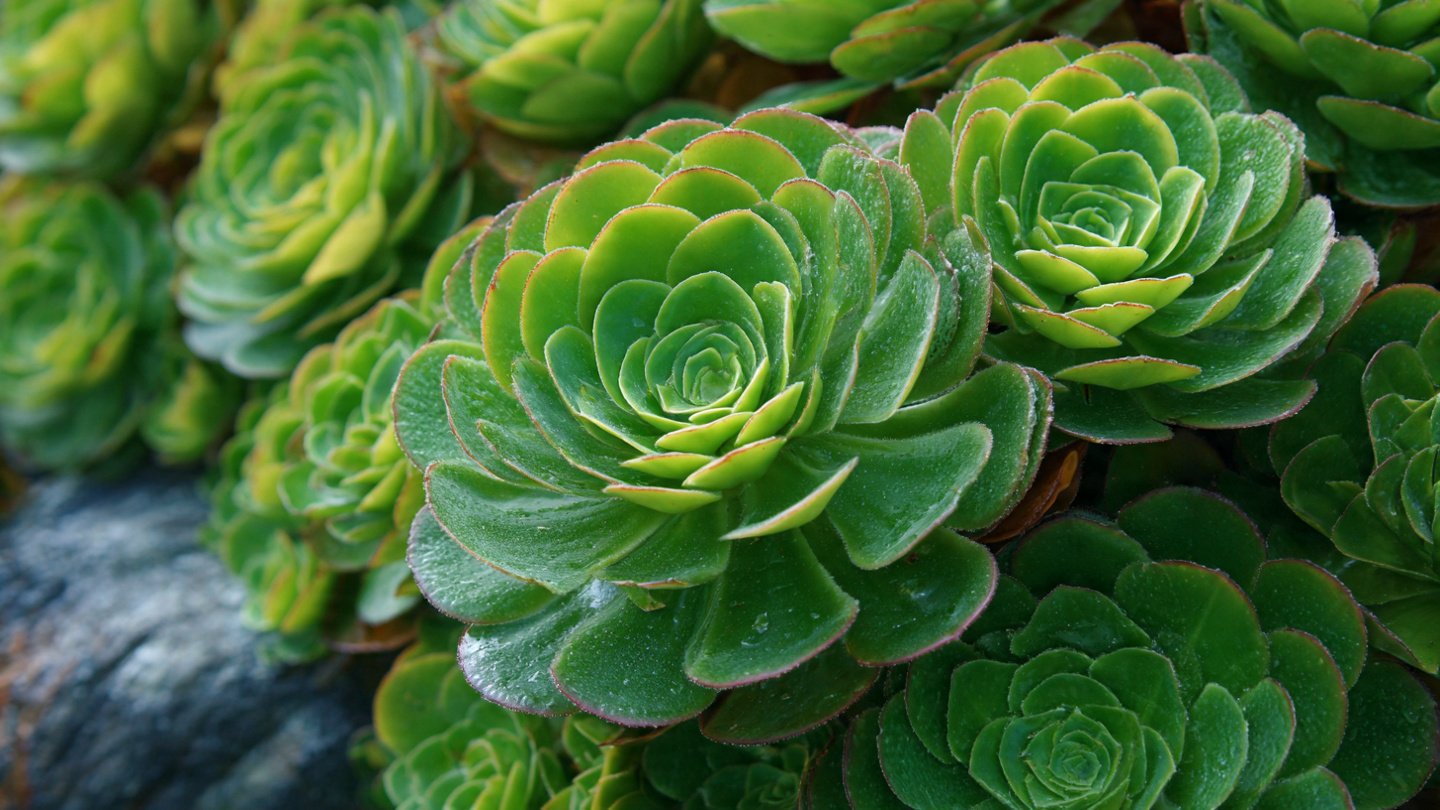
Aeoniums are among the most visually striking succulents you can grow outdoors. With their symmetrical rosette shapes, glossy leaves, and dramatic color variations ranging from lime green to deep burgundy and almost black, Aeoniums instantly elevate any garden or patio. Despite their exotic appearance, these plants are surprisingly easy to grow when you understand their unique habits.
Unlike most succulents, Aeoniums thrive during cooler seasons and require very little maintenance once established. This easy guide will walk you through everything you need to know to cultivate healthy, beautiful Aeonium rosettes outdoors with minimal effort, even if you’re new to gardening.
Understanding Aeoniums: What Makes Them Different
Aeoniums are native to the Canary Islands, where mild temperatures and coastal conditions shape their growth habits. This origin makes them quite different from desert succulents like cacti or agave.
Key characteristics of Aeoniums:
- Rosette-forming succulents with spoon-shaped leaves
- Grow actively in fall, winter, and spring
- Enter dormancy during hot summer months
- Prefer mild climates and indirect sunlight
- Can grow as ground covers, shrubs, or container plants
Understanding this growth cycle is the foundation for low-effort success.
Choosing the Right Outdoor Location
Location is the single most important factor for thriving Aeoniums outdoors.
Sunlight Requirements
Aeoniums prefer bright, indirect sunlight or partial sun:
- Morning sun with afternoon shade is ideal
- Too much harsh sun can scorch leaves
- Too little light causes stretched, weak rosettes
In cooler climates, Aeoniums can tolerate more sun, while in hot regions, filtered light is essential.
Climate Considerations
Aeoniums grow best in:
- USDA zones 9–11
- Temperatures between 10–25°C (50–77°F)
- Frost-free or lightly frosted areas
If frost is expected, Aeoniums should be protected or moved to containers.
Soil Preparation for Effortless Growth
Well-draining soil is crucial for Aeonium health.
Ideal Soil Mix
Use a loose, fast-draining mix:
- 50% cactus or succulent soil
- 25% coarse sand or perlite
- 25% compost or organic matter
This blend prevents water retention around the roots while providing enough nutrients for steady growth.
Raised Beds and Slopes
Planting Aeoniums on slight slopes or raised beds improves drainage naturally, reducing the risk of root rot.
Planting Aeoniums Outdoors
Planting Aeoniums is simple and stress-free when done correctly.
Steps:
- Dig a hole slightly wider than the root ball
- Place the plant at the same depth it was growing previously
- Backfill with soil and gently firm it
- Water lightly to settle the roots
Avoid planting too deeply, as buried stems are prone to rot.
Watering the Smart Way
One of the biggest mistakes gardeners make with Aeoniums is overwatering.
Seasonal Watering Schedule
- Fall to Spring (active growth): Water when the top 2 inches of soil are dry
- Summer (dormancy): Water sparingly, about once every 3–4 weeks
Aeoniums store moisture in their leaves, so they tolerate short dry periods very well.
Signs of Overwatering
- Drooping or translucent leaves
- Mushy stems
- Leaf drop from the center
Less water almost always produces healthier plants.
Feeding Aeoniums with Minimal Effort
Aeoniums are light feeders and thrive with very little fertilizer.
- Apply a diluted succulent fertilizer once in early spring
- Avoid fertilizing during summer dormancy
- Too much fertilizer leads to weak, leggy growth
For outdoor plants, compost mixed into the soil is often sufficient.
Pruning and Shaping Rosettes
Pruning helps maintain attractive rosettes and encourages branching.
When to Prune
- Late winter or early spring is ideal
- Remove leggy stems or damaged rosettes
How to Prune
- Use clean, sharp scissors
- Cut stems just below the rosette
- Allow cuttings to dry before replanting
Pruned rosettes can easily be propagated, giving you new plants with no extra cost.
Propagating Aeoniums Effortlessly
Propagation is one of the easiest and most rewarding parts of growing Aeoniums.
Stem Cutting Method
- Cut a healthy rosette with a short stem
- Let the cutting dry for 2–5 days
- Plant in dry, well-draining soil
- Water lightly after one week
Roots typically form within 2–4 weeks.
This method allows you to expand your garden or fill empty spaces effortlessly.
Protecting Aeoniums from Extreme Weather
Heat Protection
During intense summer heat:
- Provide shade cloth or partial shade
- Expect some leaf drop—it’s normal during dormancy
Cold Protection
Aeoniums tolerate light frost but not freezing temperatures:
- Cover plants with frost cloth
- Move potted Aeoniums indoors
- Mulch lightly around the base
Simple protection measures go a long way.
Common Pests and Easy Solutions
Aeoniums are generally pest-resistant but may occasionally attract:
- Aphids
- Mealybugs
- Spider mites
Solution:
- Spray with neem oil or insecticidal soap
- Remove heavily infested leaves
- Improve air circulation
Early detection keeps problems manageable with minimal effort.
Designing an Outdoor Space with Aeoniums
Aeoniums add architectural beauty to gardens.
Creative placement ideas:
- Mixed succulent beds
- Rock gardens and slopes
- Coastal landscapes
- Patio containers and terraces
- Borders alongside gravel paths
Their bold rosettes pair beautifully with softer plants like grasses or trailing succulents.
Why Aeoniums Are Perfect for Low-Effort Gardening
Aeoniums are ideal for busy gardeners because they:
- Require minimal watering
- Need little feeding
- Thrive in mild outdoor climates
- Are easy to propagate
- Offer dramatic visual impact year-round
Once established, they practically care for themselves.
Final Thoughts
Cultivating beautiful Aeonium rosettes outdoors doesn’t require constant attention or advanced gardening skills. By choosing the right location, using well-draining soil, watering sparingly, and understanding their seasonal growth cycle, you can enjoy stunning, healthy plants with very little effort.
Aeoniums reward patience and simplicity. Let them grow at their natural pace, respect their summer dormancy, and avoid overwatering. In return, they will provide elegant rosettes, unique textures, and year-round visual interest that elevate any outdoor space.
Whether you’re creating a minimalist succulent garden or adding focal points to your landscape, Aeoniums prove that low-maintenance gardening can still be incredibly beautiful.