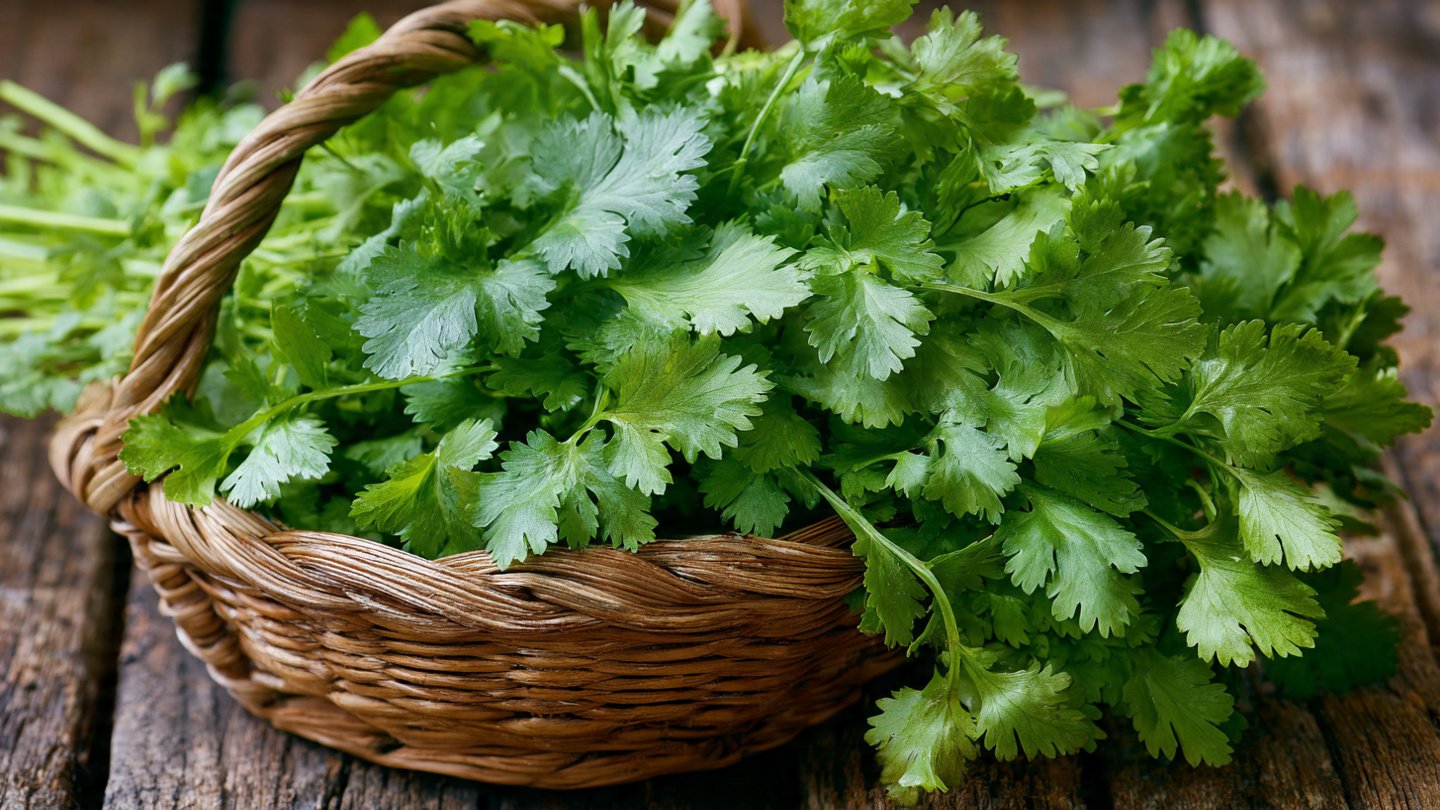
Coriander (Coriandrum sativum), also known as cilantro or dhania, is one of the most widely used herbs in kitchens around the world. Its fresh, aromatic leaves elevate everything from curries and chutneys to salads and soups. Yet many home gardeners struggle to grow coriander successfully, often facing problems like poor germination, bolting, or weak leafy growth. The good news is that with the right techniques, you can grow lush, leafy coriander at home consistently—from seed to table.
This complete guide will walk you through every stage of coriander cultivation, helping you achieve abundant harvests whether you’re growing in pots, balconies, or garden beds.
Understanding Coriander Growth Habits
Coriander is a cool-season annual herb that grows quickly but has a short lifecycle. It prefers mild temperatures and tends to bolt (produce flowers and seeds) when exposed to heat stress, long daylight hours, or drought.
To maximize leafy growth, your goal is to:
- Encourage rapid leaf development
- Delay flowering as long as possible
- Harvest regularly to keep the plant productive
Understanding this growth behavior is the key to success.
Choosing the Right Seeds for Leafy Harvests
Not all coriander seeds are equal when it comes to leaf production.
Seed Selection Tips:
- Choose slow-bolting or leaf-specific varieties if available
- Use fresh seeds (older seeds have lower germination rates)
- Avoid seeds treated with chemicals meant for spice production only
Preparing Seeds for Better Germination:
Coriander seeds are actually seed clusters. Gently crush them into halves before sowing. This simple step significantly improves germination speed and uniformity.
You can also soak crushed seeds in water for 8–12 hours before planting to soften the seed coat.
Best Time to Grow Coriander
Coriander thrives in cool to mild temperatures (15–25°C / 59–77°F).
Ideal Growing Seasons:
- Autumn to early spring in warm climates
- Spring and early fall in cooler regions
- Indoors or shaded balconies during hot summers
Avoid peak summer heat unless you can provide shade.
Choosing the Right Container or Garden Space
Coriander has a long taproot, so container depth matters.
Container Requirements:
- Minimum depth: 8–10 inches
- Wide containers encourage bushier growth
- Drainage holes are essential
Garden Beds:
- Loose, well-draining soil
- Partial shade in warmer climates
- Good airflow to prevent disease
Avoid overcrowding, as dense planting encourages bolting and weak growth.
Soil Preparation for Maximum Leaf Growth
Healthy soil directly impacts leaf production.
Ideal Soil Mix:
- Loose and crumbly
- Rich in organic matter
- Slightly acidic to neutral pH (6.0–7.0)
Recommended Soil Blend:
- Garden soil or potting soil (40%)
- Well-rotted compost or vermicompost (40%)
- Sand or coco peat (20%)
Avoid heavy clay soil, which restricts root growth and causes waterlogging.
Sowing Coriander Seeds Correctly
Proper sowing ensures strong plants from the start.
Step-by-Step Sowing:
- Scatter seeds thinly or sow in rows
- Cover lightly with 0.5–1 cm of soil
- Water gently using a spray
- Keep soil consistently moist until germination
Seeds usually germinate in 7–10 days.
Thin seedlings once they reach 2–3 inches tall, leaving 3–4 inches between plants.
Sunlight and Temperature Management
Coriander needs light but dislikes extreme heat.
Light Requirements:
- 4–6 hours of sunlight daily
- Morning sun is ideal
- Afternoon shade helps delay bolting
Indoors, place pots near bright windows or under grow lights.
Watering Strategy for Lush Leaves
Inconsistent watering is one of the biggest reasons coriander fails.
Best Watering Practices:
- Keep soil evenly moist, not soggy
- Water lightly but frequently
- Never allow soil to dry out completely
Mulching the soil surface with dry leaves or straw helps retain moisture and keeps roots cool.
Feeding Coriander for Abundant Foliage
Coriander is a light feeder, but regular nutrition improves leaf size and color.
Fertilization Schedule:
- At planting: compost or vermicompost
- Every 10–14 days: liquid organic fertilizer
- Nitrogen-rich feeds encourage leafy growth
Avoid over-fertilizing, which can weaken plants and reduce flavor.
Preventing Bolting (Flowering Too Early)
Bolting is the most common problem with coriander.
How to Delay Bolting:
- Grow during cooler months
- Provide partial shade
- Maintain consistent moisture
- Harvest frequently
- Avoid overcrowding
Once coriander bolts, leaf quality declines—but seeds can still be harvested.
Harvesting Coriander the Right Way
Proper harvesting keeps plants productive.
Leaf Harvesting Tips:
- Start harvesting when plants are 5–6 inches tall
- Cut outer leaves first
- Never remove more than one-third of the plant at a time
- Harvest every 7–10 days
For continuous supply, sow new seeds every 2–3 weeks (succession planting).
Growing Coriander Indoors Year-Round
Coriander grows well indoors with proper care.
Indoor Growing Tips:
- Use deep containers
- Bright indirect light or grow lights
- Good ventilation
- Regular trimming
Indoor plants grow slightly slower but offer year-round access to fresh leaves.
Common Problems and Easy Solutions
| Problem | Cause | Solution |
|---|---|---|
| Poor germination | Uncrushed seeds | Split seeds before sowing |
| Thin, weak plants | Low light | Increase sunlight |
| Yellow leaves | Overwatering or nutrient deficiency | Improve drainage, feed lightly |
| Bolting | Heat or stress | Provide shade and moisture |
| Pests (aphids) | Warm conditions | Neem oil or soap spray |
From Leaf to Seed: Saving Coriander Seeds
If plants bolt, let them flower and form seeds.
Seed Saving Steps:
- Allow seeds to dry on plant
- Harvest when brown
- Store in airtight containers
- Use for cooking or next season planting
Home-saved seeds often adapt better to local conditions.
Health and Kitchen Benefits of Fresh Coriander
Freshly harvested coriander offers:
- Stronger aroma and flavor
- Higher nutrient content
- Rich antioxidants
- Improved digestion
Using homegrown coriander transforms everyday cooking into a healthier, more flavorful experience.
Final Thoughts: Grow Once, Harvest Often
Growing coriander successfully is less about luck and more about understanding its needs. By choosing the right seeds, preparing loose soil, managing temperature, and harvesting correctly, you can enjoy continuous, abundant leafy harvests right from your home garden.
Whether grown on a sunny windowsill, balcony, or backyard bed, coriander rewards attentive care with fast growth and rich flavor. With succession planting and proper maintenance, you’ll never need to buy coriander from the market again.
Start small, grow smart, and enjoy fresh coriander straight from seed to table.