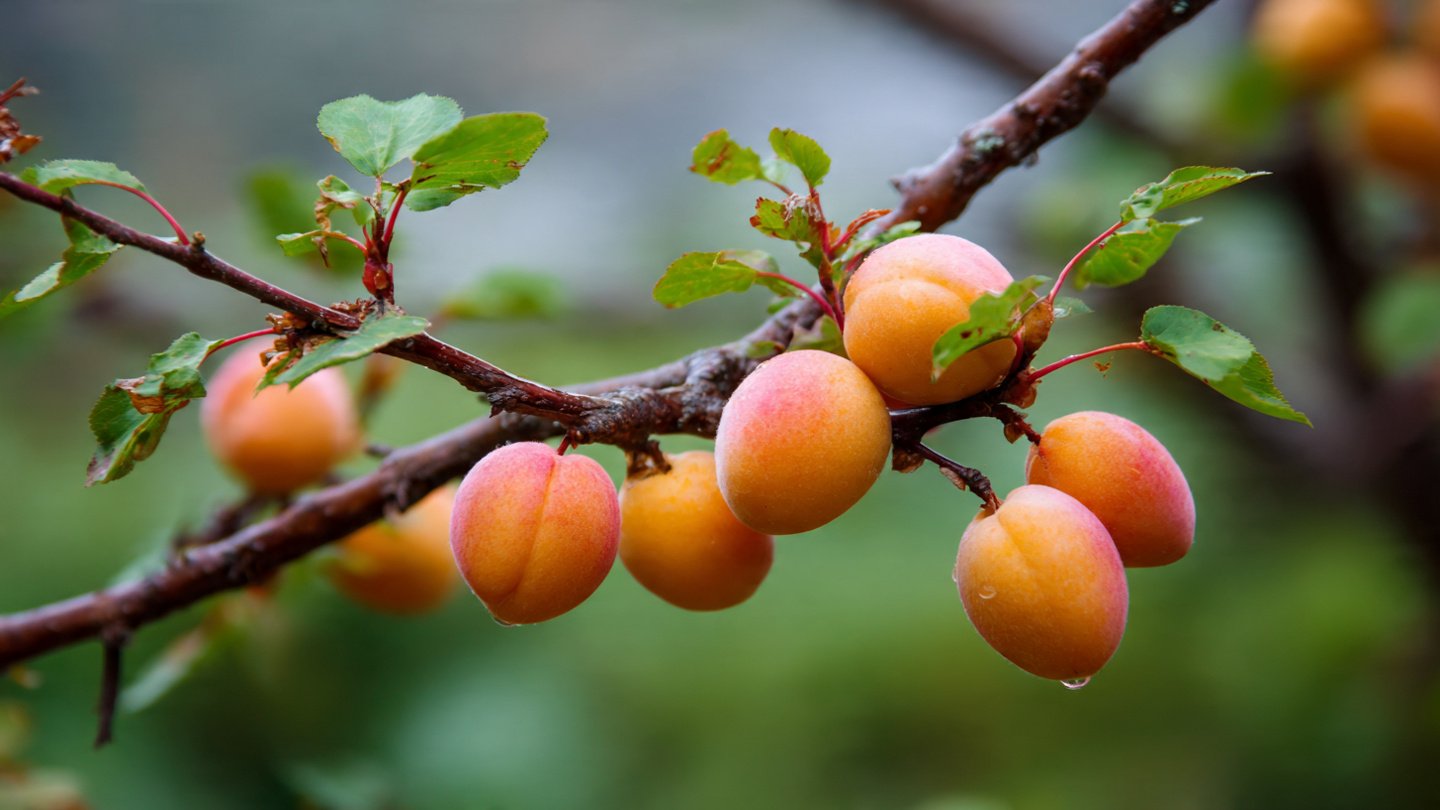
Apricot trees are often associated with warm, sunny regions, leading many gardeners to believe they require greenhouse protection to thrive. In reality, hardy apricot varieties can grow successfully outdoors in many climates without the need for a greenhouse. With the right variety selection, proper planting techniques, and thoughtful care, you can enjoy fragrant spring blossoms and sweet, homegrown apricots straight from your backyard.
This comprehensive guide will walk you through everything you need to know to grow hardy apricot trees naturally, safely, and productively—no greenhouse required.
Understanding Hardy Apricot Trees
Hardy apricot trees are specially selected or bred varieties that can tolerate cold winters, late frosts, and fluctuating spring temperatures better than traditional apricot trees. These trees are capable of surviving temperatures well below freezing and can still produce quality fruit when properly cared for.
Unlike greenhouse-grown trees, outdoor apricot trees develop stronger root systems, better disease resistance, and improved long-term resilience. This makes them an excellent choice for home gardeners looking for a low-maintenance fruit tree.
Popular Hardy Apricot Varieties
- Moorpark – Excellent flavor and cold tolerance
- Goldcot – Late-blooming, frost-resistant variety
- Harglow – Reliable fruiting in cooler climates
- Tilton – Hardy, productive, and versatile
Choosing the right variety for your climate is the foundation of success.
Choosing the Right Location in Your Backyard
Apricot trees thrive when planted in a well-chosen spot that mimics their natural growing conditions.
Key Location Requirements:
- Sunlight: At least 6–8 hours of direct sunlight daily
- Air Circulation: Good airflow helps prevent fungal diseases
- Drainage: Slightly elevated ground prevents waterlogging
- Protection from Frost Pockets: Avoid low-lying areas where cold air settles
Planting near a south-facing wall or fence can help reflect warmth and protect blossoms from cold winds, especially in cooler regions.
Soil Preparation for Strong Growth
Healthy soil is critical for apricot trees grown without greenhouse protection.
Ideal Soil Conditions:
- Well-draining loam or sandy loam
- pH between 6.0 and 7.5
- Rich in organic matter
Before planting, amend the soil with:
- Compost or well-rotted manure
- A small amount of bone meal for root development
Avoid heavy clay soils unless improved with sand and organic matter, as apricot roots dislike sitting in water.
Planting Hardy Apricot Trees Outdoors
Best Time to Plant
- Late winter to early spring (while the tree is dormant)
- Fall planting works in mild climates but requires winter protection
Step-by-Step Planting Guide:
- Dig a hole twice as wide and as deep as the root ball
- Place the tree so the graft union sits above soil level
- Backfill with amended soil, firm gently
- Water deeply to settle the soil
- Mulch around the base, keeping mulch away from the trunk
Proper planting ensures strong establishment and long-term productivity.
Watering Without Overdoing It
Apricot trees are moderately drought-tolerant once established but require consistent watering during their early years.
Watering Guidelines:
- Water deeply once or twice per week during dry periods
- Reduce watering during dormancy
- Avoid frequent shallow watering
Overwatering is a common mistake and can lead to root rot and fungal problems.
Pruning for Strength and Productivity
Pruning is essential when growing apricot trees outdoors, especially without greenhouse control.
Pruning Benefits:
- Improves airflow and sunlight penetration
- Reduces disease risk
- Encourages strong branch structure
- Enhances fruit size and quality
When to Prune:
- Late winter or early spring before bud break
- Light summer pruning to control excessive growth
Use clean, sharp tools and remove:
- Dead or damaged branches
- Crossing or inward-growing branches
An open-center shape works best for apricot trees.
Managing Frost and Cold Naturally
One of the biggest concerns with outdoor apricot trees is late spring frost, which can damage blossoms.
Natural Frost Protection Methods:
- Apply thick mulch around the base in winter
- Use frost cloths or blankets during sudden cold snaps
- Water the soil before a frost (moist soil retains heat)
- Choose late-blooming hardy varieties
These simple methods can protect blossoms without the need for a greenhouse.
Fertilizing for Healthy Growth
Hardy apricot trees don’t need heavy feeding.
Fertilization Tips:
- Apply balanced fertilizer (10-10-10) in early spring
- Use compost annually to enrich soil naturally
- Avoid high nitrogen levels, which promote leaf growth over fruit
Healthy soil often reduces the need for frequent fertilization.
Pest and Disease Prevention Without Chemicals
Outdoor apricot trees can be grown successfully with minimal chemical intervention.
Common Issues:
- Aphids
- Borers
- Brown rot
- Leaf curl
Natural Prevention Strategies:
- Maintain good airflow through pruning
- Remove fallen leaves and fruit promptly
- Use neem oil or insecticidal soap if needed
- Encourage beneficial insects like ladybugs
Healthy trees are far more resistant to pests and diseases.
Pollination and Fruit Development
Most apricot trees are self-fertile, meaning they don’t require another tree for pollination. However, having pollinator-friendly plants nearby increases fruit set.
To Encourage Pollination:
- Plant flowering herbs and flowers nearby
- Avoid spraying pesticides during bloom
- Provide shallow water sources for bees
Fruit thinning may be necessary once fruit sets to improve size and prevent branch breakage.
Harvesting and Enjoying Your Apricots
Apricots are ready to harvest when:
- The fruit has full color
- Flesh is slightly soft
- Fruit releases easily from the branch
Unlike some fruits, apricots do not ripen well after picking, so timing is important.
Fresh apricots can be eaten raw, dried, preserved, or used in cooking and baking.
Benefits of Growing Apricot Trees Without a Greenhouse
- Lower cost and maintenance
- Stronger, more resilient trees
- Better flavor from sun-ripened fruit
- Sustainable, natural growing method
- Long-term productivity
Once established, hardy apricot trees can produce fruit for decades.
Conclusion
Growing hardy apricot trees in your backyard without a greenhouse is not only possible—it’s highly rewarding. By selecting the right variety, planting in a suitable location, and following natural care practices, you can enjoy healthy trees and abundant harvests even in cooler climates.
This approach encourages stronger roots, improved disease resistance, and fruit with exceptional flavor. With patience, observation, and seasonal care, your backyard apricot tree can become a long-lasting source of beauty, nutrition, and pride.
Hardy apricot trees prove that you don’t need expensive structures or advanced equipment to grow delicious fruit—just the right knowledge, thoughtful planning, and a love for gardening.