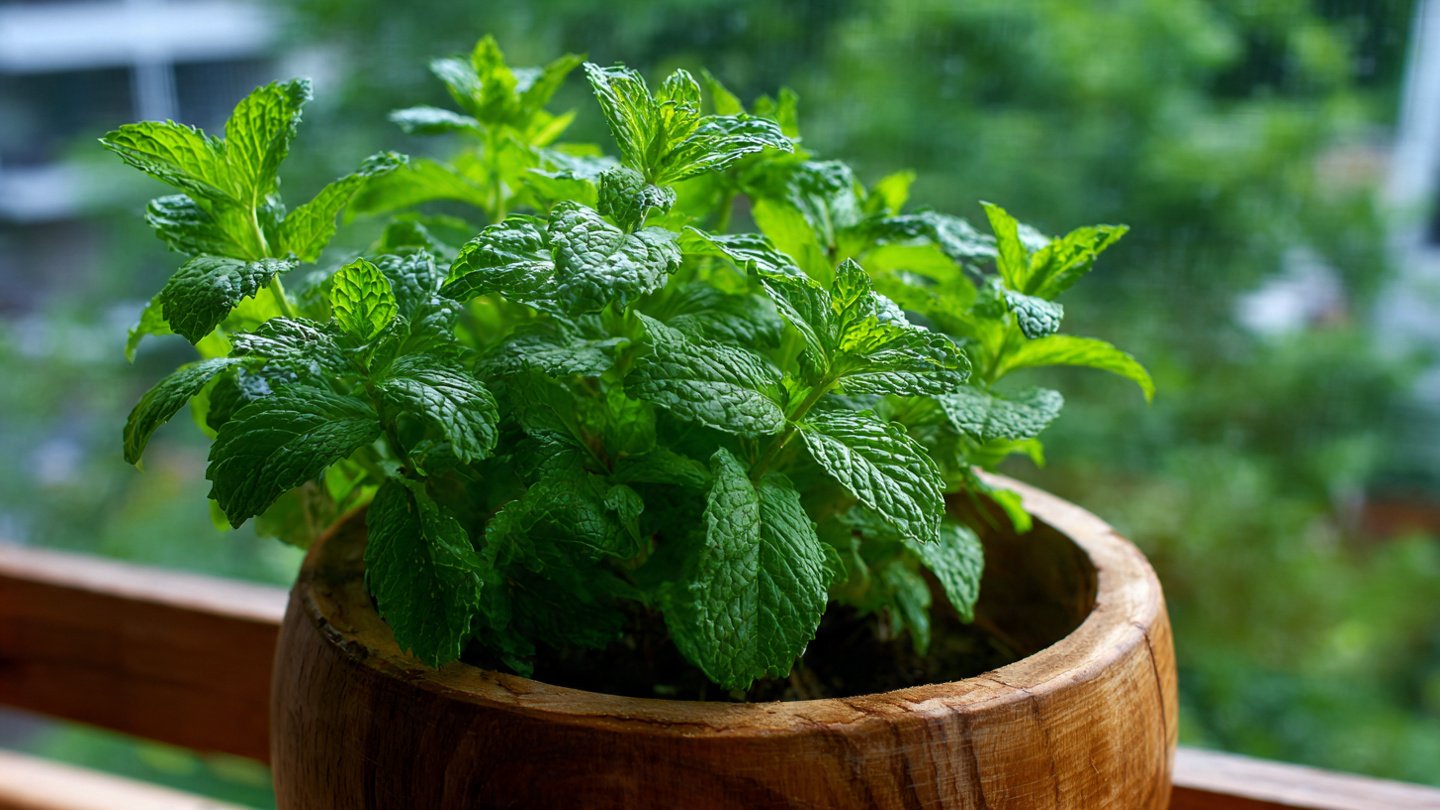
Mint is one of the most versatile and fragrant herbs, beloved for its culinary uses, refreshing aroma, and natural health benefits. Whether you’re adding it to teas, desserts, salads, or cocktails, having a fresh supply of mint indoors ensures flavor and quality at your fingertips all year round. Growing mint indoors is not only convenient but also surprisingly easy if you follow a few simple guidelines. This ultimate guide will walk you through everything you need to know to cultivate thriving mint indoors, from selecting the right variety to proper care, harvesting, and troubleshooting common problems.
Why Grow Mint Indoors?
Growing mint indoors offers several advantages:
- Year-Round Availability: Unlike outdoor gardens that depend on seasons, indoor mint provides fresh leaves even in winter.
- Pest Control: Indoor growing reduces exposure to pests like aphids and leaf miners.
- Space Efficiency: Mint thrives in containers, making it ideal for apartments, kitchens, or small spaces.
- Control Over Quality: Indoor growing ensures chemical-free, organic herbs without relying on store-bought options.
By cultivating mint indoors, you can enjoy the benefits of fresh, aromatic herbs while adding a touch of greenery to your living space.
Choosing the Right Mint Variety
There are several mint varieties, each with unique flavors and growth habits. Choosing the right type for indoor growing is crucial:
- Spearmint – Mild flavor, perfect for teas, salads, and cooking.
- Peppermint – Strong, cooling flavor ideal for desserts, beverages, and essential oils.
- Chocolate Mint – Unique chocolate undertone, great for desserts and garnishes.
- Apple Mint – Fruity aroma and sweet flavor, excellent for cocktails and salads.
- Pineapple Mint – Variegated leaves with a tropical scent, adds visual interest as well.
For indoor growing, consider compact varieties like spearmint or chocolate mint, which are easier to manage in pots and containers.
Selecting the Right Container
Mint grows rapidly and can quickly become invasive. Choosing the right container helps control growth and ensures healthy plants.
Container Guidelines:
- Size: Start with a pot at least 8–10 inches in diameter to accommodate roots.
- Material: Terracotta, ceramic, or plastic pots work well; ensure they have drainage holes.
- Depth: Mint has shallow roots, so a 6–8 inch deep pot is sufficient.
- Self-Watering Pots: Useful for maintaining consistent moisture, especially in dry indoor environments.
Using the right container ensures proper growth and prevents overwatering issues that could harm the plant.
Choosing the Right Soil
Mint thrives in well-draining, nutrient-rich soil. Avoid heavy garden soil that retains too much water, as mint is prone to root rot.
Soil Tips:
- Use a high-quality potting mix with added perlite or sand for drainage.
- Incorporate organic compost to provide nutrients and maintain soil health.
- Maintain a slightly acidic to neutral pH (6.0–7.0) for optimal growth.
A good soil mix ensures mint roots stay healthy while promoting vigorous leaf growth.
Providing the Right Light
Light is one of the most important factors for indoor mint growth. Mint thrives in bright, indirect sunlight.
Lighting Tips:
- Natural Light: Place mint near a south-facing or west-facing window for at least 4–6 hours of sunlight daily.
- Artificial Light: If natural light is insufficient, use LED grow lights for 12–16 hours per day.
- Rotation: Rotate the pot regularly to ensure even light exposure and prevent leaning.
Adequate light keeps mint leaves vibrant, flavorful, and bushy rather than leggy.
Watering and Humidity
Mint prefers consistently moist soil but not soggy conditions. Proper watering is key to maintaining health:
- Water when the top inch of soil feels dry.
- Avoid letting the soil dry out completely, which stresses the plant and reduces flavor.
- Ensure excess water drains freely to prevent root rot.
- Maintain moderate indoor humidity; occasional misting can help in dry climates.
Consistent watering promotes lush, aromatic leaves that are ready for harvesting at any time.
Fertilizing Your Indoor Mint
Mint is a fast-growing herb and benefits from regular feeding to sustain its vigor:
- Use a balanced liquid fertilizer every 4–6 weeks during active growth.
- Alternatively, apply slow-release organic fertilizer once per season.
- Avoid over-fertilizing, which can reduce flavor intensity.
Proper nutrition keeps mint leaves flavorful, aromatic, and dense, ideal for culinary use.
Pruning and Harvesting
Pruning and harvesting are essential to encourage bushy growth and prevent the plant from becoming leggy:
- Pinch off the tips regularly to promote branching.
- Harvest leaves as needed, ideally in the morning when essential oils are at their peak.
- Remove flowers immediately if you want to maintain leaf production; flowering diverts energy from leaves.
- Use sharp scissors or pruning shears to avoid damaging stems.
Regular pruning and harvesting stimulate new growth, ensuring a steady supply of fresh mint year-round.
Controlling Pests and Diseases
While indoor growing reduces exposure to many pests, mint can still encounter issues:
- Aphids and Spider Mites: Can be removed with a gentle spray of water or insecticidal soap.
- Powdery Mildew: Ensure proper air circulation and avoid overhead watering.
- Root Rot: Prevent by using well-draining soil and avoiding waterlogged conditions.
Monitoring your mint plant regularly allows early detection and intervention, keeping your herb healthy and productive.
Propagating Mint Indoors
Mint is easy to propagate, which helps maintain a continuous supply without buying new plants:
- Stem Cuttings: Place 3–4 inch cuttings in water until roots develop, then transplant to soil.
- Division: Separate the root clumps from a mature mint plant and replant in fresh pots.
- Layering: Encourage a stem to root in a small container of soil while still attached to the parent plant.
Propagation ensures that even if one plant slows down, you can have multiple thriving mint plants indoors.
Seasonal Tips
Even indoors, mint’s growth can be influenced by seasonal changes:
- Winter: Provide supplemental light to compensate for shorter daylight hours. Reduce watering slightly.
- Summer: Ensure adequate air circulation to prevent overheating and fungal issues.
- Year-Round Care: Rotate pots periodically to maintain even growth and prune regularly to prevent overcrowding.
By adapting care to the seasons, you can maintain a healthy mint crop throughout the year.
Creative Uses for Indoor Mint
Growing mint indoors allows for many creative culinary and lifestyle uses:
- Teas and Infusions: Fresh mint leaves make soothing herbal teas.
- Cocktails and Beverages: Essential for mojitos, lemonades, and iced teas.
- Cooking: Adds flavor to salads, sauces, desserts, and marinades.
- Aromatic Decor: Place mint near windows or in decorative pots for a natural, refreshing scent.
Having a constant supply of mint indoors not only enhances flavor but also elevates your living space aesthetically and aromatically.
Common Mistakes to Avoid
To ensure your indoor mint thrives, avoid these common mistakes:
- Overwatering: Leads to root rot and fungal infections.
- Insufficient Light: Causes leggy, weak growth.
- Ignoring Pruning: Results in sparse leaves and reduced yield.
- Neglecting Fertilization: Can make leaves small and less flavorful.
- Allowing Flowers to Bloom: Diverts energy from leaf growth.
Awareness of these pitfalls ensures your mint remains lush, aromatic, and productive year-round.
Conclusion
Growing mint indoors all year round is both practical and rewarding. With the right variety, a suitable container, well-draining soil, proper lighting, and consistent care, you can enjoy fresh, flavorful mint leaves whenever you need them. Regular pruning, harvesting, and attention to watering and pests ensure that your indoor mint remains healthy and abundant.
By following this ultimate guide, you can transform your indoor space into a mint sanctuary, providing culinary inspiration, aromatic delight, and greenery throughout the year. Whether for teas, desserts, or decorative purposes, having indoor mint ensures a constant supply of nature’s fragrant, flavorful herb at your fingertips.