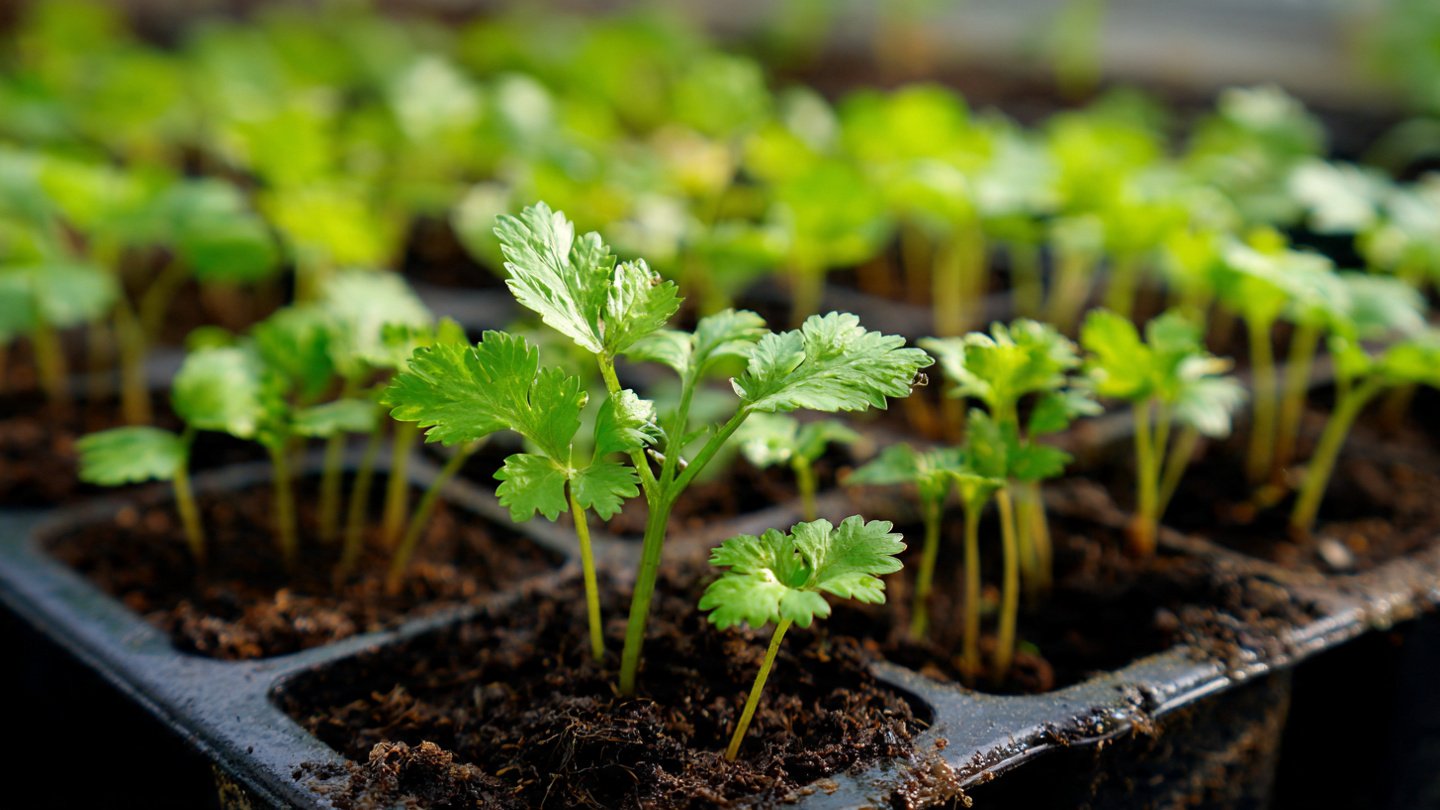
Coriander, also known as cilantro, is a beloved herb in kitchens around the world. Its fresh, citrusy leaves and flavorful seeds make it indispensable in countless recipes, from salsas and curries to salads and soups. However, growing coriander successfully begins with one critical step: germinating the seeds quickly and effectively. Rapid germination ensures healthy seedlings, shorter growing cycles, and a continuous harvest for your thriving herb garden. In this guide, we’ll explore the best strategies to accelerate coriander seed germination, covering seed selection, pre-treatment, soil preparation, watering techniques, and environmental tips.
1. Understanding Coriander Seed Germination
Coriander seeds are unique in their germination requirements. Each seed actually contains two seeds inside a husk, which can sometimes lead to uneven sprouting if not properly prepared. Typically, coriander seeds take 7–14 days to germinate under ideal conditions. Several factors influence the speed of germination:
- Seed quality: Fresh, viable seeds germinate faster.
- Moisture levels: Seeds require consistent moisture but not waterlogging.
- Temperature: Coriander prefers moderate temperatures for germination (around 20–25°C / 68–77°F).
- Light exposure: While coriander seeds don’t need light to germinate, proper light after sprouting ensures strong seedlings.
Understanding these factors sets the foundation for implementing strategies that promote rapid germination.
2. Choosing High-Quality Seeds
The first step to faster germination is selecting fresh, high-quality coriander seeds.
Tips for choosing seeds:
- Check the expiration date: Older seeds have lower viability and may take longer to sprout.
- Look for plump seeds: Avoid shriveled or discolored seeds. Healthy seeds are usually round and light brown.
- Buy from reputable sources: Seed companies with high germination guarantees are more reliable.
- Consider pre-split seeds: Some gardeners purchase seeds that have been mechanically cracked to encourage quicker germination.
High-quality seeds ensure uniform, rapid sprouting and reduce wasted time and effort.
3. Pre-Treating Seeds for Faster Germination
Coriander seeds benefit greatly from pre-treatment before sowing, as this softens the tough outer husk and encourages quicker sprouting.
Soaking method:
- Place coriander seeds in a bowl of lukewarm water for 12–24 hours.
- Avoid soaking for more than 24 hours, as prolonged water exposure can cause seeds to rot.
- After soaking, drain the seeds and pat them dry slightly before sowing.
Cracking or lightly crushing the seeds:
- Gently crush the seeds with a mortar and pestle to split the outer husk.
- This exposes the inner seed, allowing moisture to penetrate faster.
- Be careful not to damage the inner seed, as this can reduce viability.
Pre-treatment significantly reduces germination time, sometimes cutting it from 10–14 days down to 5–7 days.
4. Preparing the Ideal Soil
Coriander thrives in light, well-draining soil. Proper soil preparation ensures that seeds can germinate rapidly and roots can establish quickly.
Soil preparation tips:
- Use a fine-textured seed-starting mix: Avoid heavy or clay-rich soils that retain too much water.
- Ensure good drainage: Sow seeds in trays or containers with drainage holes to prevent waterlogging.
- Add organic matter: Mix in a small amount of compost to provide nutrients for emerging seedlings.
- Loosen the soil: Lightly fluff the soil to make it easier for roots to penetrate.
Well-prepared soil promotes faster seedling emergence and reduces the risk of fungal diseases.
5. Proper Sowing Techniques
How you sow coriander seeds directly affects germination speed.
Best practices for sowing:
- Depth: Sow seeds about 0.5–1 cm (¼–½ inch) deep. Planting too deep can slow germination.
- Spacing: Leave about 2–3 cm (1 inch) between seeds to reduce competition.
- Even coverage: Gently press seeds into the soil but avoid compacting it, which can hinder root penetration.
- Water lightly: Moisten the soil gently after sowing to ensure contact without washing seeds away.
Correct sowing techniques create optimal conditions for rapid and uniform sprouting.
6. Maintaining Moisture Levels
Moisture is crucial for seed germination, but overwatering can be detrimental.
Tips for maintaining proper moisture:
- Keep the soil consistently damp but not soggy. Use a spray bottle to mist the soil daily.
- Cover trays or pots with plastic wrap or a clear lid to retain humidity, which accelerates germination.
- Remove the cover once seedlings begin to emerge to prevent mold or fungal growth.
- Avoid letting the soil dry out completely, as this slows or halts germination.
Balanced moisture ensures seeds absorb water quickly and begin sprouting efficiently.
7. Optimizing Temperature
Temperature plays a significant role in how quickly coriander seeds germinate.
- Ideal germination occurs at 20–25°C (68–77°F).
- If the temperature is too low (<15°C / 59°F), germination slows dramatically.
- If too high (>30°C / 86°F), seeds may fail to sprout or seedlings may be weak.
- Use a heated seed mat in cooler climates to maintain consistent warmth.
Maintaining the right temperature provides a favorable environment for rapid seed sprouting.
8. Ensuring Adequate Air Circulation
While moisture is essential, stagnant air can lead to fungal infections like damping-off, which kills seedlings.
- Place seed trays in an area with good ventilation.
- Use a small fan on low setting to circulate air gently around seedlings.
- Avoid placing trays in direct wind, which can dry out soil or damage tender sprouts.
Adequate airflow reduces disease risk and supports healthy, fast-growing seedlings.
9. Providing Light After Germination
Coriander seeds do not need light to sprout, but once seedlings emerge, they require sufficient light to grow strong.
- Place seedlings in a bright, sunny window or under grow lights for 12–16 hours a day.
- Insufficient light causes leggy, weak seedlings, which can stunt growth and reduce overall plant health.
- Rotate trays periodically to ensure even light exposure.
Proper lighting supports vigorous growth, giving your coriander a strong start in your herb garden.
10. Transplanting and Care After Germination
Once seeds have germinated, continued care ensures a thriving herb garden:
- Thin seedlings: Space them 5–10 cm (2–4 inches) apart to prevent overcrowding.
- Water carefully: Maintain consistent moisture but avoid waterlogging.
- Fertilize lightly: Use a diluted liquid fertilizer every 2–3 weeks to support growth.
- Harvest strategically: Regularly trim leaves to encourage bushy growth and continuous production.
Healthy seedlings established through rapid germination grow into robust, productive plants that provide a continuous harvest of fresh coriander leaves and seeds.
11. Additional Tips for Rapid Germination
For gardeners seeking extra speed, consider these advanced strategies:
- Scarification: Lightly nick or sand the seed coat to help water penetrate faster.
- Pre-germination: Place seeds on a damp paper towel in a warm location until sprouting occurs, then transplant seedlings to soil.
- Staggered sowing: Sow seeds every 2–3 weeks to ensure continuous harvest and avoid gaps in your herb supply.
These techniques give gardeners more control over germination speed and overall garden productivity.
Conclusion
Rapid germination of coriander seeds is achievable with the right combination of seed selection, pre-treatment, soil preparation, watering, temperature control, and light management. By following these strategies, gardeners can reduce the waiting time for seedlings, establish a thriving herb garden faster, and enjoy a continuous supply of fresh coriander leaves and seeds.
Starting with high-quality seeds, soaking or cracking them to enhance moisture absorption, planting in light, well-draining soil, maintaining proper moisture and temperature, and providing adequate light after germination all contribute to a healthy, robust start. Coupled with ongoing care, thinning, and light fertilization, these steps ensure your coriander plants thrive from seedling to harvest.
By implementing these best practices, even beginner gardeners can achieve rapid germination and consistent growth, transforming their herb garden into a flourishing oasis of flavor, fragrance, and freshness. With patience, attention, and a few smart techniques, your coriander plants will provide abundant harvests, adding vibrant taste and aroma to every meal.