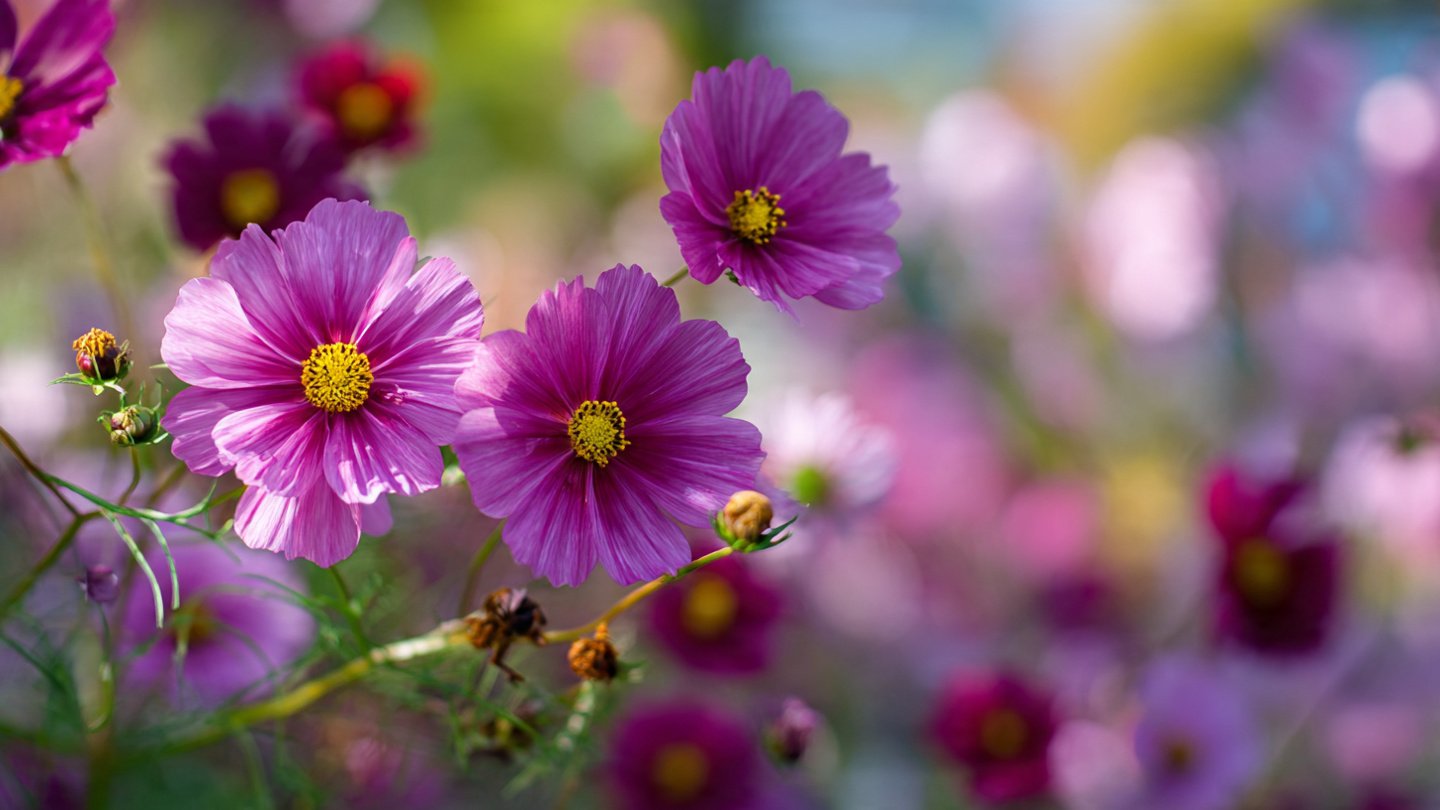
Pollinators are vital to our ecosystems and food supply, yet their populations are under threat due to habitat loss, pesticides, and climate change. Gardening with purpose can make a difference, and one of the best ways to support pollinators is by cultivating flowers that naturally attract bees, butterflies, and other beneficial insects. Among these, Cosmos flowers stand out as an easy-to-grow, colorful, and pollinator-friendly option. This essential guide explores everything you need to know to cultivate Cosmos flowers while creating a thriving habitat for local pollinators.
Why Cosmos Flowers Are Perfect for Pollinators
Cosmos flowers are native to Mexico and Central America but have become a garden favorite worldwide due to their bright colors, long blooming period, and low maintenance. They offer several advantages for pollinator-friendly gardens:
- Abundant Nectar and Pollen: Cosmos flowers provide a rich source of nectar for bees, butterflies, and hummingbirds.
- Long Blooming Season: From early summer to fall, Cosmos flowers bloom continuously, providing consistent resources for pollinators.
- Diverse Colors: Available in shades of pink, white, red, orange, and maroon, Cosmos can create visually stunning pollinator gardens.
- Low Maintenance: These flowers are drought-tolerant, disease-resistant, and thrive in various soil types, making them ideal for beginner and experienced gardeners alike.
By planting Cosmos, you’re not only adding beauty to your garden but also supporting the health and diversity of your local ecosystem.
Selecting the Right Cosmos Variety
There are several varieties of Cosmos, each with unique characteristics suitable for different garden settings and pollinator types:
- Cosmos bipinnatus
- Most commonly grown variety.
- Produces large, daisy-like flowers in pink, white, and crimson.
- Grows 3–6 feet tall, ideal for attracting bees and butterflies.
- Cosmos sulphureus
- Produces bright yellow and orange blooms.
- Tolerant of heat and drought, thriving in warmer climates.
- Shorter growth, typically 2–4 feet tall, perfect for borders or containers.
- Cosmos atrosanguineus
- Known as Chocolate Cosmos due to its deep maroon petals and chocolate-like fragrance.
- Attracts pollinators with both scent and color.
- Smaller, slower-growing variety that adds unique sensory appeal to gardens.
Selecting a variety based on color preference, garden space, and local climate ensures both aesthetic satisfaction and pollinator support.
Choosing the Ideal Planting Location
Cosmos flowers are adaptable but thrive best under the following conditions:
- Full Sun: At least 6–8 hours of direct sunlight daily to promote flowering and nectar production.
- Well-Drained Soil: Avoid heavy, waterlogged soils that can cause root rot. Light, sandy loam works best.
- Air Circulation: Adequate spacing reduces the risk of fungal diseases and allows pollinators easy access to blooms.
When planning your pollinator garden, consider planting Cosmos in clusters to create visual appeal and maximize pollinator attraction. Grouping flowers together allows bees and butterflies to efficiently forage and spend more time in your garden.
Planting Cosmos Flowers
Cosmos are relatively easy to grow from seeds, and careful planting ensures a successful garden:
- Timing: Sow seeds outdoors after the last frost in spring. In mild climates, seeds can be started indoors 4–6 weeks before the last frost.
- Soil Preparation: Loosen soil to a depth of 12 inches and incorporate compost for added nutrients. Cosmos prefer slightly lean soil, as rich soil can lead to excessive foliage growth at the expense of flowers.
- Seed Sowing: Scatter seeds directly on the soil surface and lightly press them in. Avoid deep planting, as Cosmos seeds need light for germination.
- Spacing: Thin seedlings to 12–18 inches apart for Cosmos bipinnatus and 8–12 inches for Cosmos sulphureus. Proper spacing improves air circulation and pollinator access.
- Watering: Keep soil lightly moist until seeds germinate. Once established, Cosmos are drought-tolerant and require only moderate watering.
Caring for Cosmos Flowers
Cosmos flowers require minimal maintenance, but a few simple practices ensure a vibrant, long-lasting pollinator garden:
1. Watering
- Deep, infrequent watering encourages strong root development.
- Avoid overwatering, which can reduce flowering and increase the risk of disease.
2. Fertilization
- Cosmos thrive in slightly lean soil, so heavy fertilization is unnecessary.
- If needed, use a balanced, low-nitrogen fertilizer to encourage blooms rather than leafy growth.
3. Deadheading
- Regularly remove spent flowers to promote continuous blooming.
- Deadheading also prevents self-seeding if you prefer a more controlled garden layout.
4. Supporting Tall Varieties
- Taller Cosmos may require staking or support to prevent bending or breakage in windy conditions.
5. Pest and Disease Management
- Cosmos are generally resistant to pests, but occasional aphid infestations can occur.
- Use natural solutions such as neem oil or introduce beneficial insects like ladybugs to control pests.
- Avoid overhead watering to reduce fungal diseases.
Creating a Pollinator-Friendly Garden
To maximize the benefits of Cosmos flowers, design your garden with pollinators in mind:
1. Plant Diversity
- Mix Cosmos with other pollinator-friendly flowers, such as lavender, coneflowers, and zinnias.
- Diverse blooms provide a variety of nectar and pollen, supporting different pollinator species.
2. Continuous Blooming
- Plant multiple varieties with staggered bloom times to ensure consistent food sources for pollinators throughout the growing season.
3. Shelter and Habitat
- Include shrubs, small trees, and ground covers to provide shelter for pollinators.
- Leave some bare soil patches for ground-nesting bees and insects.
4. Avoid Chemicals
- Minimize or eliminate pesticides and herbicides in your pollinator garden.
- Use organic pest control methods to protect both Cosmos flowers and visiting insects.
Attracting Specific Pollinators
Cosmos flowers attract a wide range of beneficial pollinators:
- Bees: Honeybees, bumblebees, and solitary bees are drawn to bright petals and abundant nectar.
- Butterflies: The tall, open blooms of Cosmos provide easy landing platforms for butterflies like monarchs and swallowtails.
- Hoverflies and Beetles: These insects help with pollination and pest control, creating a balanced garden ecosystem.
By planting Cosmos strategically, you create a garden that is both visually appealing and ecologically impactful.
Propagation and Seed Saving
Cosmos flowers are easy to propagate from seeds, and saving seeds helps maintain a sustainable garden:
- Seed Collection: Allow flowers to mature and dry on the plant. Collect seeds once they are fully brown and dry.
- Seed Storage: Store seeds in a cool, dry place until the next planting season.
- Self-Seeding: Cosmos often self-seed naturally, producing new plants year after year without additional effort.
Seed saving not only reduces gardening costs but also supports local pollinator populations by ensuring a continuous food source.
Benefits Beyond Pollination
Growing Cosmos flowers in your garden provides additional benefits:
- Aesthetic Value: Bright, colorful blooms enhance the visual appeal of any garden.
- Ease of Care: Perfect for gardeners of all skill levels due to low maintenance requirements.
- Educational Opportunity: Teaching children and visitors about pollinators through hands-on gardening experiences.
- Environmental Impact: Supporting pollinators helps maintain local ecosystems and contributes to biodiversity.
Cosmos flowers truly offer a win-win situation: beauty for humans and resources for pollinators.
Conclusion
Cosmos flowers are more than just ornamental plants—they are pollinator magnets, providing essential nectar and pollen throughout the growing season. By understanding their growing requirements, planting strategies, and care tips, gardeners can cultivate thriving Cosmos that support bees, butterflies, and other local pollinators.
From selecting the right variety to designing a garden that encourages pollinator activity, the cultivation of Cosmos flowers is both rewarding and ecologically significant. Whether you’re looking to enhance your backyard’s visual appeal, support local ecosystems, or educate others about pollinator conservation, Cosmos flowers are a versatile and impactful choice.
By planting, nurturing, and caring for Cosmos flowers, you can create a sustainable, vibrant, and pollinator-friendly garden that benefits both your home and the wider environment. Every flower you plant becomes a small act of stewardship, contributing to healthier pollinator populations and a more beautiful, thriving garden for years to come.