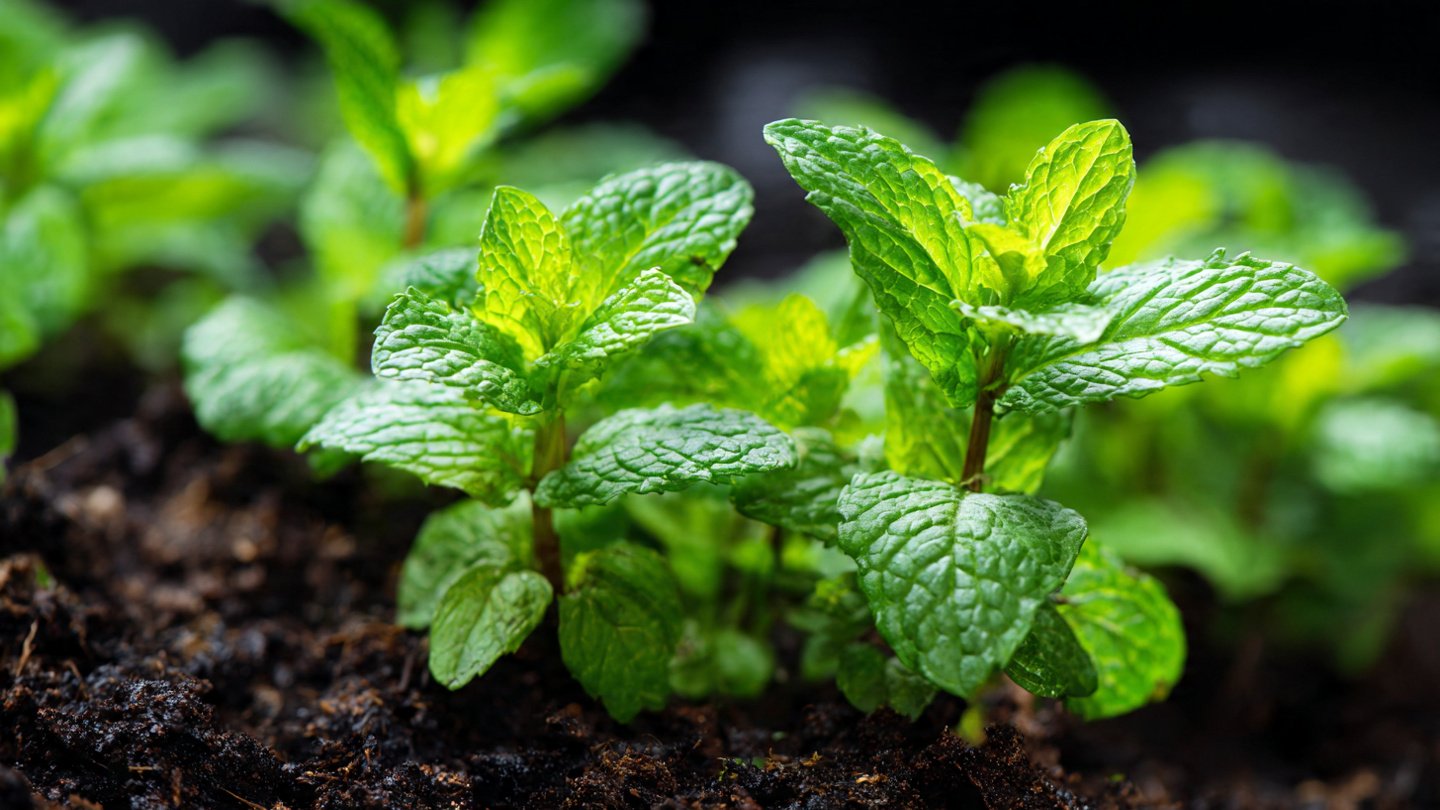
Chocolate mint is more than just a delightful herb; it’s a versatile plant that adds a refreshing aroma, rich flavor, and aesthetic appeal to your home garden. Its sweet, chocolaty fragrance makes it perfect for teas, desserts, cocktails, and even homemade beauty products. Growing chocolate mint at home is surprisingly easy, even for beginners, as long as you follow some simple techniques. This guide will walk you through everything you need to know—from choosing the right location to harvesting your first leaves.
What is Chocolate Mint?
Chocolate mint is a hybrid variety of mint, often a cross between spearmint and peppermint, known for its subtle chocolate undertones. Its scientific name is Mentha × piperita ‘Chocolate’, and it belongs to the Lamiaceae family. This perennial herb is easy to grow, hardy, and spreads quickly, making it a great addition to both garden beds and container gardens. Its lush green leaves with a hint of brown or purple veins not only look beautiful but also carry a unique flavor that elevates culinary dishes.
Benefits of Growing Chocolate Mint at Home
Growing chocolate mint at home offers multiple benefits:
- Culinary Uses: Chocolate mint can be used to flavor teas, chocolates, cakes, ice creams, and even smoothies.
- Medicinal Properties: It has mild digestive, calming, and anti-inflammatory benefits.
- Aromatic Appeal: Its refreshing fragrance naturally repels insects and adds a pleasant aroma indoors and outdoors.
- Easy to Grow: Chocolate mint is low-maintenance and thrives with minimal care.
Choosing the Right Growing Medium
Chocolate mint thrives in well-drained, nutrient-rich soil. You can grow it in garden beds or containers. Here are some tips:
- Soil Type: Chocolate mint prefers loamy or sandy soil with a pH between 6.0 and 7.0. Avoid heavy clay soil that retains water as it can lead to root rot.
- Containers: If growing in pots, choose containers that are at least 8–12 inches deep to accommodate the plant’s roots. Containers with drainage holes are essential to prevent waterlogging.
- Soil Mix: A mix of garden soil, compost, and perlite in equal parts works best for chocolate mint. This ensures good drainage and fertility.
Propagating Chocolate Mint
Chocolate mint is incredibly easy to propagate. You have three main options:
1. From Cuttings
This is the fastest method:
- Cut a 4–6 inch healthy stem from an existing chocolate mint plant.
- Remove the lower leaves, leaving 2–3 leaves at the top.
- Place the cutting in a glass of water and wait for roots to develop (usually within 1–2 weeks).
- Once roots are about 2 inches long, transplant it into soil or a pot.
2. From Root Division
Chocolate mint spreads through underground rhizomes:
- Dig up an established plant and gently separate the roots into smaller sections.
- Each section should have at least 2–3 stems and healthy roots.
- Replant each section in well-prepared soil or a container.
3. From Seeds
While less common, you can grow chocolate mint from seeds:
- Sow seeds on the surface of moist seed-starting soil.
- Cover lightly with a thin layer of soil or vermiculite.
- Keep the soil consistently moist and place it in a sunny spot.
- Seeds will germinate in 10–15 days. Transplant seedlings once they have 3–4 leaves.
Ideal Growing Conditions
Chocolate mint thrives in the following conditions:
- Sunlight: It prefers partial to full sunlight (4–6 hours daily). In hotter climates, light afternoon shade prevents leaf scorching.
- Temperature: Chocolate mint grows best in temperatures between 18–24°C (65–75°F), but it can tolerate cooler temperatures.
- Watering: Keep the soil consistently moist but not waterlogged. Water when the top inch of soil feels dry.
- Spacing: Mint spreads rapidly. If planting in garden beds, space plants 12–18 inches apart. In containers, one plant per pot is sufficient.
Maintaining Your Chocolate Mint Plant
Chocolate mint is relatively low-maintenance, but a few practices ensure healthy growth:
1. Pruning
Prune regularly to prevent the plant from becoming leggy and to encourage bushy growth. Trim stems just above a leaf node. Frequent harvesting also acts as natural pruning.
2. Fertilizing
While chocolate mint is not very demanding, feeding it with organic compost or a balanced liquid fertilizer every 4–6 weeks supports robust growth.
3. Controlling Spread
Chocolate mint can take over a garden bed if unchecked. Planting in containers or using barriers in the soil prevents invasive growth.
4. Pest and Disease Management
Chocolate mint is generally pest-resistant. However, watch out for:
- Aphids: Spray a mixture of water and mild dish soap.
- Spider mites: Rinse leaves thoroughly with water.
- Root rot: Avoid overwatering and ensure proper drainage.
Harvesting Chocolate Mint
Harvesting chocolate mint at the right time enhances both flavor and fragrance:
- Timing: Pick leaves just before the plant starts flowering for the most intense flavor.
- Method: Snip stems using clean scissors or pruning shears. Always leave at least two-thirds of the plant to continue growing.
- Frequency: Frequent harvesting promotes new growth, so harvest every 1–2 weeks during the growing season.
Tips for Preserving Chocolate Mint
To enjoy chocolate mint year-round:
- Drying: Tie small bundles of mint stems and hang them upside down in a cool, dark, and dry area for 1–2 weeks. Once dried, crumble the leaves and store in airtight containers.
- Freezing: Chop fresh leaves and freeze them in ice cube trays with water or olive oil. This preserves both flavor and aroma.
- Infusions: Chocolate mint leaves can be infused in sugar, oils, or vinegar for long-lasting flavor.
Creative Uses for Chocolate Mint
Chocolate mint is not only culinary but also versatile in lifestyle uses:
- Beverages: Add to hot tea, iced tea, smoothies, or cocktails for a refreshing twist.
- Desserts: Use in chocolate sauces, ice cream, cakes, or cookies to enhance flavor.
- Garnishes: Fresh leaves make beautiful garnishes for drinks and desserts.
- Natural Fragrance: Place fresh leaves in potpourri or homemade candles.
- Gardening Companion: Plant alongside vegetables or flowers to repel certain pests naturally.
Troubleshooting Common Issues
Even though chocolate mint is resilient, beginners may face some challenges:
- Yellow Leaves: Overwatering or poor drainage can cause yellowing. Check soil moisture and adjust watering.
- Leggy Growth: Insufficient sunlight may cause stems to grow tall and weak. Ensure 4–6 hours of sunlight daily.
- Powdery Mildew: Avoid overcrowding plants and ensure proper air circulation. Remove affected leaves and apply organic fungicide if necessary.
Best Practices for Indoor Growing
Chocolate mint grows well indoors if you mimic its natural conditions:
- Place the plant near a sunny window that receives at least 4–6 hours of indirect sunlight.
- Use a pot with good drainage and high-quality potting mix.
- Keep the indoor environment moderately humid by misting leaves occasionally.
- Rotate the pot weekly to ensure even sunlight exposure and symmetrical growth.
Growing Chocolate Mint in Small Spaces
Even if you have limited space, chocolate mint can thrive:
- Windowsill Garden: Use small pots or hanging containers.
- Vertical Gardening: Train stems to climb a small trellis or mesh.
- Herb Boxes: Plant chocolate mint alongside other herbs in a single rectangular planter for a mixed herb garden.
Final Thoughts
Chocolate mint is one of the easiest and most rewarding herbs to grow at home. With minimal care, you can enjoy its unique flavor, aromatic benefits, and aesthetic appeal year-round. By choosing the right growing medium, providing sufficient sunlight and water, and following simple propagation and harvesting techniques, anyone can successfully cultivate chocolate mint. Whether you’re a culinary enthusiast, a home gardener, or someone who enjoys natural fragrances, chocolate mint is a delightful addition to your home garden. Start today, and soon you’ll have a thriving chocolate mint plant ready to enhance your meals, beverages, and home ambiance.