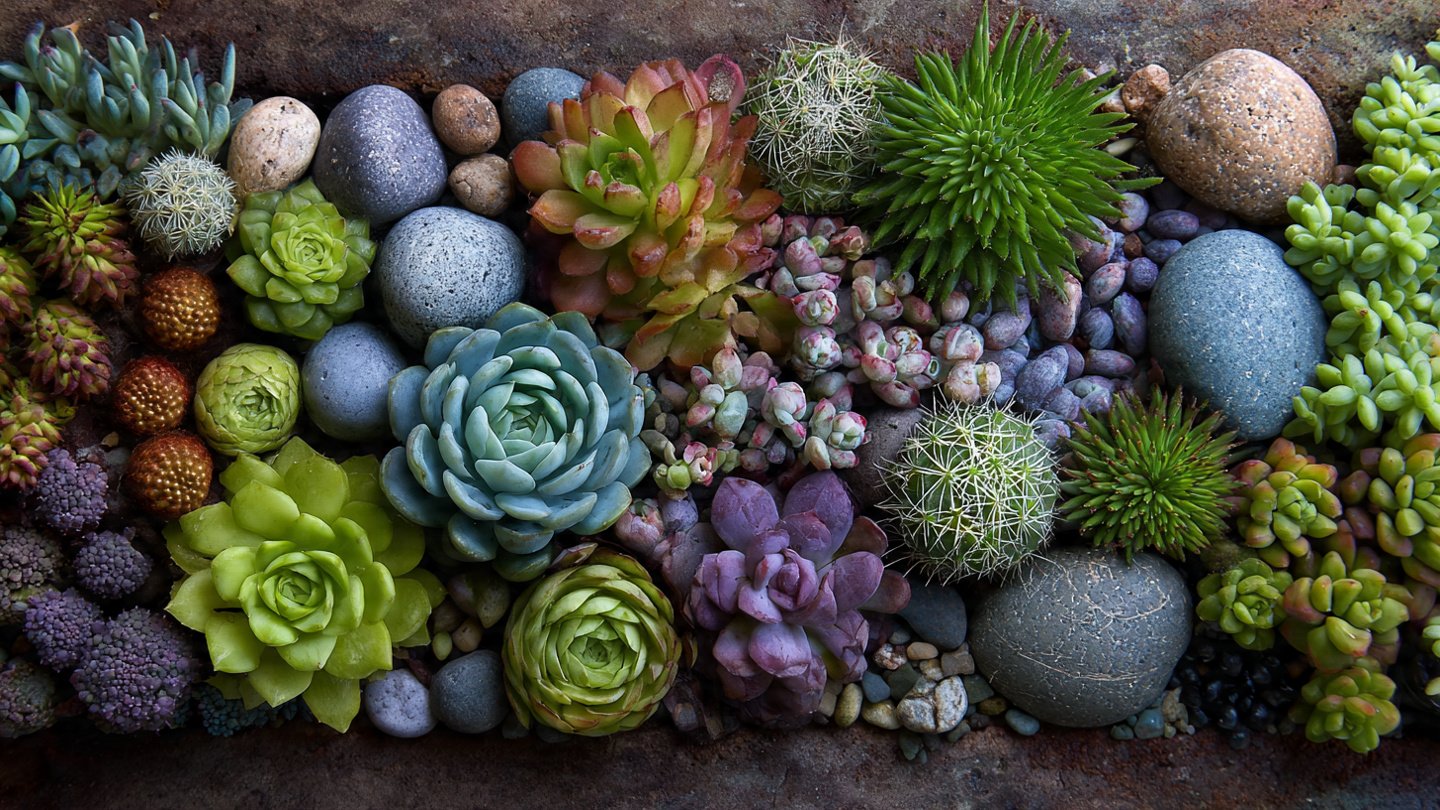
Succulents have gained immense popularity among gardeners and homeowners alike for their unique shapes, vibrant colors, and remarkably low-maintenance needs. Their versatility allows them to thrive in a variety of spaces—from patios and balconies to full-fledged indoor gardens. While single-species succulent arrangements are stunning, mixed succulent landscapes offer an even more visually dynamic and engaging aesthetic. Combining different textures, heights, and colors can transform an ordinary space into a living piece of art. Successfully cultivating diverse succulent landscapes at home, however, requires understanding key planting techniques, care requirements, and design strategies. This guide explores effective techniques to create thriving mixed succulent landscapes that elevate your home environment.
1. Understanding the Appeal of Mixed Succulent Landscapes
Mixed succulent landscapes are not just aesthetically appealing—they are functional and ecologically advantageous. The primary benefits include:
- Visual Interest: Combining rosette-shaped Echeveria with spiky Aloe or trailing Sedum creates contrast in form and texture.
- Color Diversity: Succulents come in greens, reds, purples, blues, and even variegated patterns. Mixing species allows for continuous seasonal color changes.
- Microclimates: Taller or bushier succulents can provide shade for smaller, sun-sensitive species.
- Low Maintenance: Mixed landscapes can often mimic natural plant communities, reducing overall care requirements.
By understanding these benefits, gardeners can strategically plan plant selection and layout for maximum effect.
2. Choosing the Right Succulents for Your Landscape
Not all succulents thrive equally well together. Choosing compatible species is key for a successful mixed landscape. Consider the following criteria:
- Watering Needs: Group plants with similar water requirements. Overwatering one species can harm another.
- Sunlight Tolerance: Combine full-sun succulents with other sun-loving species; shade-tolerant succulents should be grouped together.
- Growth Patterns: Mix low-growing ground covers with upright or trailing plants to create depth.
- Color and Texture: Use contrasting colors, leaf shapes, and textures to create visual interest.
Popular choices for mixed succulent landscapes include Echeveria, Sedum, Crassula, Aloe, Haworthia, and Kalanchoe. Trailing varieties like Senecio rowleyanus (“string of pearls”) or Sedum morganianum (“burro’s tail”) add a cascading effect that enhances vertical interest.
3. Preparing Your Planting Area
Whether you are designing a container garden, raised bed, or outdoor succulent rock garden, soil and drainage are critical. Succulents are highly sensitive to overwatering, so proper soil preparation is essential.
Steps for Preparing the Area:
- Choose a Well-Draining Site: For outdoor gardens, select a spot with plenty of sunlight and good air circulation. Avoid low-lying areas where water tends to collect.
- Use Appropriate Soil Mix: Succulents thrive in sandy, well-draining soil. You can purchase a succulent-specific mix or create your own with 2 parts potting soil, 1 part coarse sand, and 1 part perlite.
- Prepare Containers with Drainage: If planting in pots, ensure each container has drainage holes. Layer the bottom with small stones or gravel for extra drainage.
- Consider Microclimates: Taller succulents can be used strategically to shade delicate plants, creating a natural balance within the landscape.
Proper site preparation ensures that the mixed landscape can flourish with minimal risk of root rot or other water-related issues.
4. Arranging Your Mixed Landscape
Creating a visually appealing mixed succulent arrangement requires thoughtful placement. Here are some key techniques:
- Height Variation: Place taller plants in the back or center and shorter species around them to ensure visibility.
- Color Blocking: Use clusters of similar colors or complementary shades to create a striking visual contrast.
- Texture Play: Combine smooth, waxy leaves with spiky or fuzzy varieties for a dynamic effect.
- Focal Points: Select a standout plant as a focal point—often a dramatic Aloe or Echeveria with a bold color—to draw the eye.
- Layering and Cascading: Incorporate trailing succulents to soften edges and create depth.
Experimenting with different layouts before planting can help you achieve the most balanced and aesthetically pleasing design.
5. Planting Techniques for Success
Once your site is ready and your design is planned, proper planting techniques ensure strong establishment and long-term growth:
- Spacing: Allow enough space for each succulent to grow to its mature size without crowding. This promotes airflow and reduces fungal risks.
- Planting Depth: Plant succulents slightly deeper than the base of their rosette but ensure leaves are not buried, as this can cause rot.
- Firming the Soil: Gently press soil around roots to eliminate air pockets while avoiding compacting the soil too tightly.
- Initial Watering: Wait 3–5 days after planting before watering to allow roots to settle, especially if using cuttings or newly potted plants.
Correct planting is the foundation for a healthy, thriving landscape.
6. Watering and Maintenance
Mixed succulent landscapes are low-maintenance, but consistent care ensures longevity:
- Watering Schedule: Succulents prefer deep, infrequent watering. Water only when the soil is completely dry. Outdoor gardens may require more frequent irrigation in hot climates, while indoor landscapes need less.
- Fertilization: Use a balanced, diluted succulent fertilizer once or twice during the growing season. Avoid over-fertilizing, which can cause excessive leaf growth and fewer flowers.
- Pruning and Grooming: Remove dead or damaged leaves to maintain aesthetics and prevent disease. Trim overgrown plants to encourage new growth.
Following these maintenance practices ensures your mixed succulent landscape remains healthy and visually appealing.
7. Pest and Disease Management
Even resilient succulents can face challenges:
- Pests: Common pests include mealybugs, aphids, and spider mites. Inspect plants regularly, and treat infestations with insecticidal soap or neem oil.
- Diseases: Overwatering can lead to root rot or fungal issues. Ensure proper drainage and airflow to prevent disease.
- Preventive Care: Quarantine new plants before adding them to the landscape to prevent introducing pests or diseases.
Vigilant care keeps the landscape thriving and reduces the risk of significant losses.
8. Propagation Techniques
Mixed succulent landscapes can be expanded or renewed through propagation. Popular methods include:
- Leaf Cuttings: Remove healthy leaves from the parent plant, allow them to callus, and place them on well-draining soil until roots and new growth develop.
- Offsets/Pups: Many succulents produce small offsets. Separate them gently and replant.
- Stem Cuttings: Cut healthy stems, allow them to dry and callus, then plant in soil.
Propagation not only allows you to multiply plants but also provides material to replace older or unhealthy specimens, keeping the landscape fresh.
9. Seasonal Considerations
Succulents adapt to seasonal changes, but planning for temperature and light variations ensures continued success:
- Summer: Provide afternoon shade for heat-sensitive species. Water more frequently, but always allow soil to dry between irrigation.
- Winter: Protect sensitive succulents from frost or extreme cold by moving them indoors or covering them with frost cloth. Reduce watering to prevent root rot.
- Spring/Fall: Ideal seasons for planting or rearranging your mixed succulent landscape due to moderate temperatures and active growth.
Understanding seasonal needs allows your succulent landscape to thrive year-round.
10. Benefits of Mixed Succulent Landscapes
Creating a mixed succulent landscape at home offers numerous benefits:
- Aesthetic Appeal: Unique shapes, textures, and colors enhance indoor and outdoor spaces.
- Low Maintenance: Once established, succulents require minimal watering and care.
- Air Purification: Many succulents contribute to cleaner indoor air.
- Stress Reduction: Gardening and interacting with plants improves mental well-being.
- Creative Expression: Designing and arranging succulents allows personal artistic expression.
Mixed succulent landscapes are more than decorative—they enhance your living environment in practical and emotional ways.
11. Tips for Long-Term Success
To ensure your diverse succulent landscape thrives over the years:
- Monitor Growth: Rotate plants to ensure even sunlight exposure.
- Renew Soil: Refresh soil periodically to maintain nutrients and drainage.
- Control Crowding: Re-space plants as they grow to prevent competition.
- Experiment: Don’t hesitate to rearrange or replace species to improve aesthetics.
- Document Growth: Take photos and notes to track progress and learn what combinations work best.
With patience and attention, your landscape will flourish into a dynamic and sustainable living display.
12. Conclusion
Growing diverse mixed succulent landscapes at home is a rewarding journey that combines creativity, horticultural knowledge, and mindful care. By carefully selecting compatible species, preparing soil, designing visually appealing layouts, and practicing proper watering and maintenance techniques, gardeners can cultivate thriving succulent gardens that provide year-round beauty. Beyond aesthetics, these landscapes offer practical benefits, including low-maintenance care, air purification, and mental well-being.
Whether you are designing a small indoor arrangement or a sprawling outdoor succulent garden, the techniques outlined here provide a roadmap for success. With consistent attention, patience, and creativity, your mixed succulent landscape will flourish, becoming a living testament to the artistry and resilience of these remarkable plants.