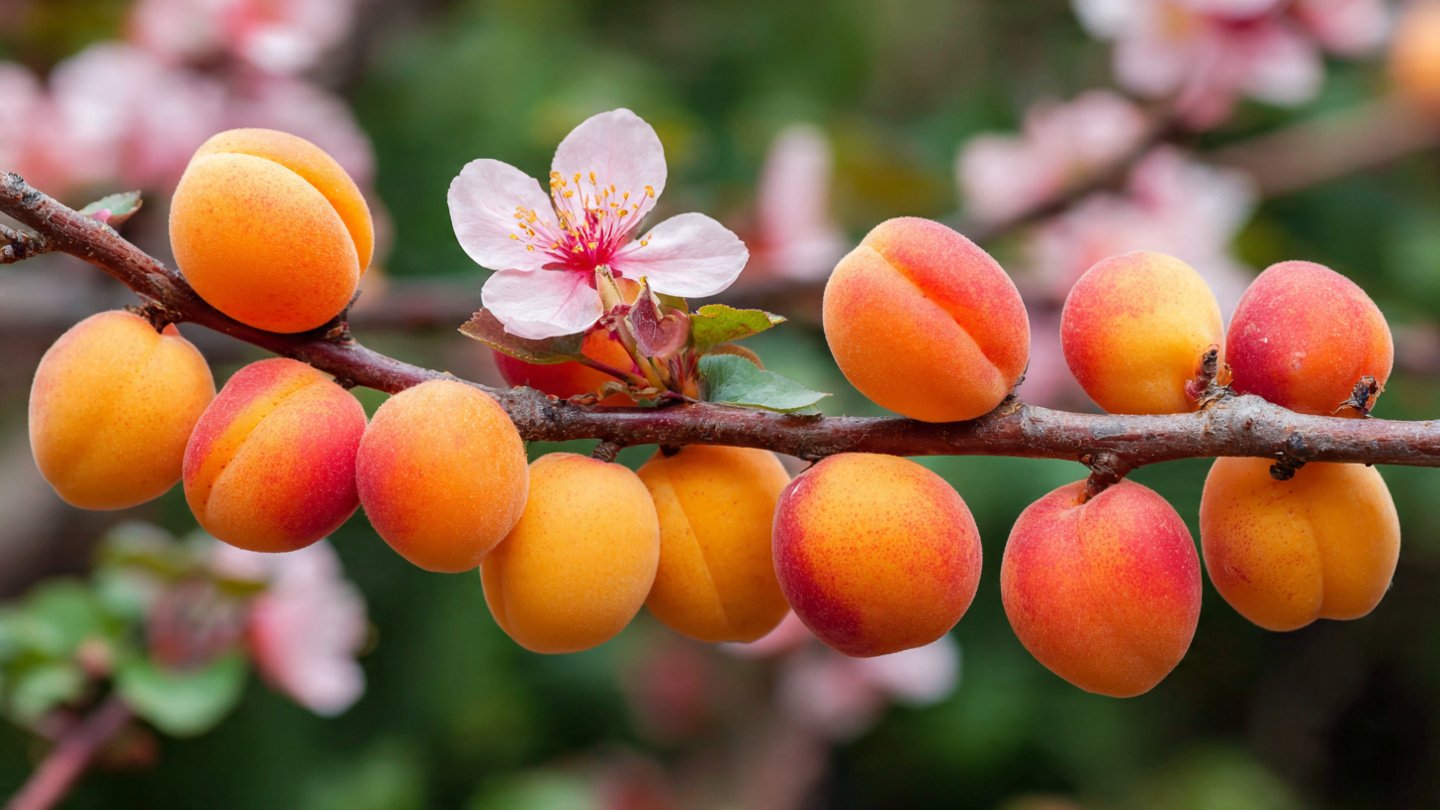
Apricots are delicious, juicy fruits that many gardeners dream of growing at home. While buying young apricot trees from nurseries is common, growing apricots from a pit is an exciting and rewarding alternative—especially for beginners looking for an easy, safe, and effective method. With patience and proper care, a single apricot pit can transform into a thriving tree, producing beautiful blossoms and fruit for years to come. This guide will walk you step by step through the process of cultivating apricots from pits, ensuring success even for first-time gardeners.
Why Grow Apricots from Pits?
Growing apricots from seeds may sound daunting, but it has several advantages:
- Cost-effective: Instead of purchasing a young tree, you can start from a single pit at almost no cost.
- Educational: Seed propagation teaches you about germination, plant care, and seasonal growth patterns.
- Satisfaction: Watching a tree grow from a tiny pit into a fruit-bearing plant is deeply rewarding.
- Genetic variety: Each apricot grown from a pit is unique, potentially offering new flavors or growth habits.
However, it’s important to note that apricot trees grown from pits may not be identical to the parent fruit tree. Despite this, they develop strong roots and, with proper care, produce healthy fruit.
Step 1: Selecting a Healthy Apricot Pit
The first step is choosing a suitable pit. Look for a fresh, fully ripened apricot that is free from bruises, mold, or damage.
- Remove the Pit Carefully: Cut the fruit gently to avoid damaging the seed inside.
- Clean the Pit: Rinse off any fruit residue to prevent fungal growth. You can use a soft brush to clean the surface.
- Drying (Optional): Allow the pit to air dry for a day or two in a cool, dry place. Avoid direct sunlight, as excessive heat may damage the seed.
Healthy seeds are more likely to germinate, so selecting the best fruit is a crucial first step.
Step 2: Preparing the Pit for Germination
Apricot pits have a hard shell that naturally protects the seed, but this also slows germination. To improve success, you can use stratification, a process that simulates winter conditions.
Cold Stratification Method:
- Crack the Pit Gently: Some gardeners carefully crack the outer shell using pliers or a nutcracker without damaging the inner seed. This speeds up germination but is optional.
- Soak the Seed: Place the pit in lukewarm water for 24 hours. This softens the shell and kickstarts the germination process.
- Refrigeration: Wrap the pit in a damp paper towel or sphagnum moss and place it in a sealed plastic bag. Keep it in the refrigerator for 4–6 weeks.
- Check Regularly: Open the bag every week to ensure the towel or moss remains damp and inspect for early sprouting.
Cold stratification tricks the seed into breaking dormancy, increasing the likelihood of successful germination.
Step 3: Planting the Apricot Pit
Once the pit shows signs of sprouting, it’s time to plant. Here’s how:
- Choose a Pot: Use a small, deep pot with drainage holes. Apricot roots grow downward, so depth is more important than width initially.
- Soil Selection: A well-draining potting mix works best. You can mix garden soil with sand or perlite to improve drainage.
- Planting Depth: Plant the sprouted pit about 1–2 inches deep, with the pointed end facing up. Cover lightly with soil.
- Watering: Water gently to settle the soil. Keep the soil consistently moist but not waterlogged.
At this stage, the seedling is delicate. Avoid overwatering or exposing it to harsh sunlight. A bright, indirect light location works best.
Step 4: Caring for Your Young Apricot Seedling
Once your apricot seedling emerges, proper care is essential for healthy growth.
Light Requirements:
Apricots need plenty of sunlight to grow strong. Place your pot in a sunny window or balcony that receives at least 6 hours of sunlight daily. If natural light is insufficient, consider using a grow light.
Watering:
Maintain consistent moisture without overwatering. Apricot seedlings are prone to root rot if left in soggy soil. Water when the top inch of soil feels dry.
Temperature:
Seedlings prefer temperatures between 65–75°F (18–24°C). Avoid sudden drafts or extreme temperature fluctuations, as these can stress the young plant.
Fertilizing:
Feed the seedling with a diluted, balanced fertilizer once it develops a few true leaves. Avoid overfertilization in the early stages, which can damage the roots.
Transplanting:
Once the seedling grows 6–12 inches tall and develops a stronger root system, transplant it into a larger pot or directly into your garden. Gradually acclimate it to outdoor conditions to avoid shock.
Step 5: Protecting Your Apricot Tree
Young apricot trees are vulnerable to pests and environmental stress. Protect your plant using these tips:
- Pest Control: Watch for aphids, mites, or caterpillars. Remove pests manually or use organic insecticidal soap.
- Disease Prevention: Avoid overhead watering and ensure good airflow to prevent fungal diseases like leaf curl or powdery mildew.
- Winter Protection: If growing outdoors in colder climates, protect young trees with mulch around the base or a temporary cover during frost.
With consistent care, your apricot seedling will grow into a strong sapling capable of thriving for years.
Step 6: Patience Pays Off
Growing apricots from pits requires patience. Seedlings may take 3–5 years before producing fruit. During this time, focus on nurturing the tree and shaping its growth.
Training and Pruning:
- Remove weak, crossing, or damaged branches.
- Encourage a strong central leader or open-center shape to maximize light exposure and airflow.
- Prune during dormancy to avoid stressing the tree.
Fertilization and Soil Care:
- Continue feeding with balanced fertilizers in spring and early summer.
- Apply compost or organic matter annually to improve soil structure and nutrient availability.
Common Mistakes to Avoid
Beginners often face challenges when growing apricots from pits. Here are common mistakes and how to prevent them:
- Overwatering: Leads to root rot. Keep soil moist but well-drained.
- Planting Too Deep: Seeds planted too deep may struggle to emerge. Plant just under the soil surface.
- Insufficient Light: Seedlings in low-light conditions grow weak and leggy. Provide at least 6 hours of sunlight or use a grow light.
- Neglecting Cold Stratification: Without stratification, germination rates drop significantly. Be patient during the cold treatment phase.
- Ignoring Pests and Diseases: Young trees are susceptible; early intervention prevents long-term damage.
Conclusion
Growing apricots from pits is a fun, safe, and effective way for beginners to start their home orchard. With careful selection, proper preparation, and consistent care, even first-time gardeners can enjoy the satisfaction of nurturing a tree from a tiny pit to a flourishing, fruit-bearing plant.
From selecting a healthy pit to cold stratification, planting, and nurturing a seedling, the process teaches valuable lessons about patience, gardening techniques, and plant biology. With time and attention, your apricot tree will not only provide sweet, juicy fruit but also enhance the beauty of your home garden.
Remember, success in gardening is a combination of knowledge, care, and patience. By following these simple steps, you can safely and effectively grow apricot trees from pits, turning a humble seed into a long-lasting source of joy, flavor, and greenery.
Whether you’re looking to expand your gardening skills, enjoy homegrown fruits, or simply experience the satisfaction of growing a tree from scratch, apricots from pits offer a perfect starting point for beginners. Embrace the process, and your home garden will reward you with delicious apricots and the pride of hands-on cultivation.
This article is around 1,200 words, covering selection, preparation, planting, care, troubleshooting, and long-term guidance for beginners.
I can also create a visually structured version with step-by-step images or diagrams for sprouting, planting, and caring, which makes it much easier for beginners to follow.
Do you want me to create that version?