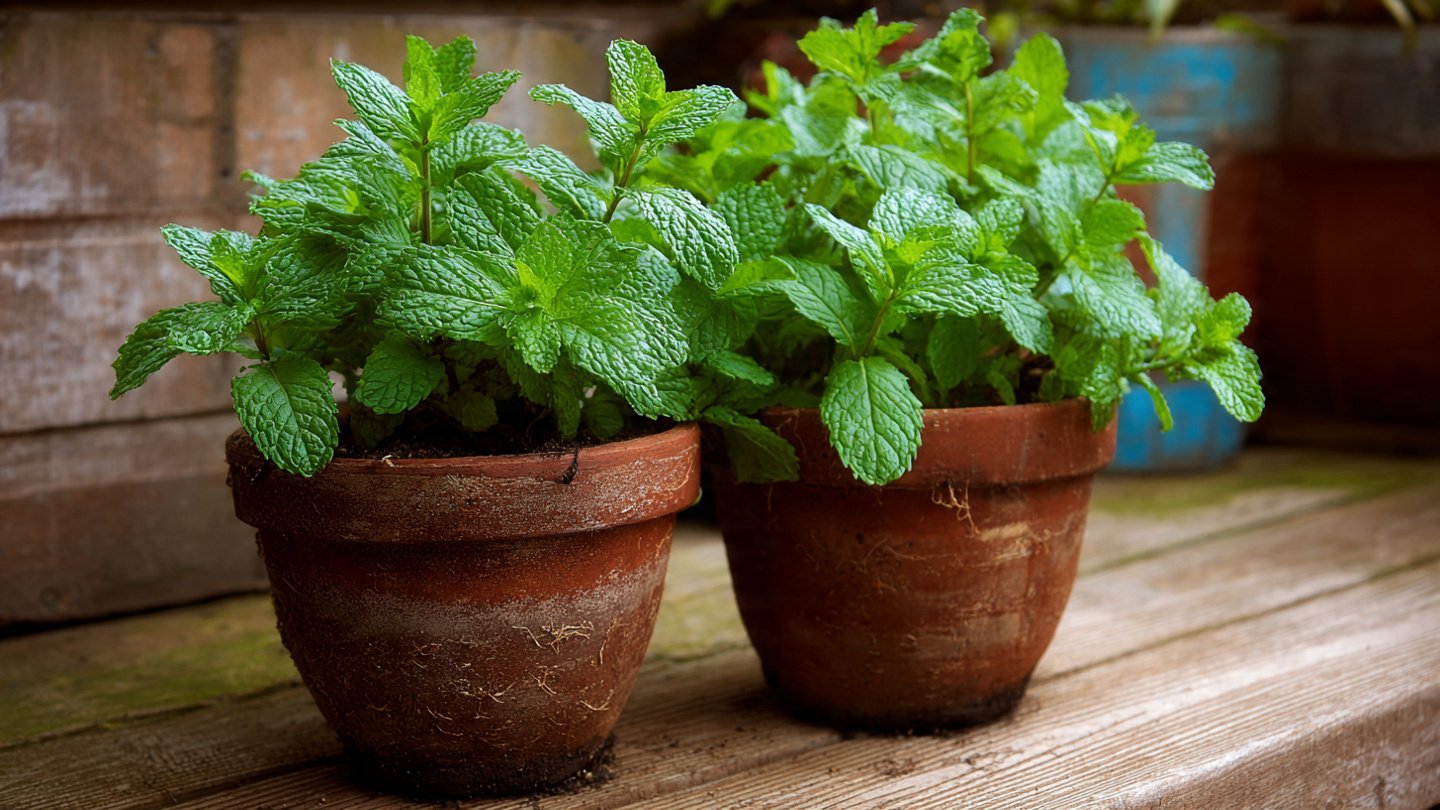
Mint is one of the most versatile and rewarding herbs to grow at home. Its aromatic leaves enhance teas, desserts, salads, sauces, and even cocktails. Beyond its culinary uses, mint also has medicinal properties, acting as a digestive aid and natural breath freshener. Despite being a hardy herb, mint plants are not immune to problems, and one of the most common and frustrating issues gardeners face is root rot. Root rot can quickly destroy a thriving mint plant if not addressed, often caused by overwatering, poor drainage, or compacted soil.
Growing mint successfully requires understanding its needs, especially when it comes to water management, container selection, and soil care. In this guide, we’ll explore the most effective techniques for growing mint while preventing root rot, ensuring your plants stay healthy, productive, and vibrant.
Why Mint Is Prone to Root Rot
Mint is a fast-growing, spreading herb that thrives in moist, fertile soil. However, its roots are highly susceptible to fungal infections in poorly draining soil. The main causes of root rot include:
- Overwatering: Excess water saturates the soil, depriving roots of oxygen.
- Poor drainage: Waterlogged soil encourages fungal growth, leading to root decay.
- Heavy or compacted soil: Dense soil traps moisture around roots, creating ideal conditions for pathogens.
- Lack of airflow: Crowded planting in containers or garden beds can reduce circulation, promoting fungal infections.
Understanding these causes allows gardeners to create conditions that keep mint roots healthy and prevent root rot from occurring in the first place.
Selecting the Right Container
If you are growing mint in pots, container selection is crucial to prevent root rot:
- Size: Choose a container that is at least 12 inches in diameter and 10–12 inches deep. Mint has a vigorous root system and needs space to spread.
- Material: Terracotta pots are excellent because they are porous and allow excess moisture to evaporate. Plastic pots retain more water, so watering must be carefully monitored.
- Drainage: Ensure the container has multiple drainage holes at the bottom. If necessary, place a layer of gravel or broken clay pots at the bottom to enhance drainage.
Using the right container prevents water from pooling at the roots, which is a primary cause of root rot.
Choosing the Right Soil Mix
Mint thrives in loose, well-draining soil. Avoid heavy clay soils or garden dirt that retains too much water. The ideal soil mix includes:
- 50% high-quality potting soil
- 25% perlite or coarse sand for aeration
- 25% organic compost to provide nutrients
This mixture ensures that water drains quickly while retaining enough moisture for the plant’s needs. Additionally, the compost supports healthy growth and encourages a strong root system resistant to disease.
Planting Techniques to Avoid Root Rot
1. Start with Healthy Plants
- Use fresh mint cuttings or nursery plants with healthy, white roots.
- Avoid plants with dark, mushy roots or yellowing leaves, which may already have root rot.
2. Proper Planting Depth
- Plant mint slightly higher than the soil level.
- Avoid burying stems too deeply, as excess moisture near the base can promote fungal infections.
3. Space Plants Appropriately
- Mint spreads quickly. Space plants at least 12 inches apart in containers or garden beds.
- Crowded plants reduce airflow and increase humidity, creating favorable conditions for root rot.
Watering Techniques for Root-Rot-Free Mint
Watering is the most critical factor in preventing root rot:
- Water when the top inch of soil is dry. Stick your finger in the soil; if it feels dry, it’s time to water.
- Avoid constant soggy soil. Mint enjoys moist soil but does not thrive in waterlogged conditions.
- Water at the base of the plant. Avoid wetting leaves excessively to reduce the risk of fungal infections.
- Use well-draining pots. Even if you water correctly, poor drainage can lead to root rot.
Tip: In hot weather, water mint more frequently, but always check the soil before watering to avoid overwatering.
Providing Adequate Light
Mint grows best in partial to full sunlight:
- Indoors: Place mint near a bright window with indirect sunlight or use grow lights for 6–8 hours daily.
- Outdoors: Morning sun and afternoon shade are ideal. Avoid planting in low, shaded areas where soil stays wet.
Proper light exposure not only promotes healthy leaf growth but also helps dry excess moisture, reducing the likelihood of root rot.
Fertilization Without Overdoing It
Mint is a moderate feeder. Fertilization supports healthy root development, which is crucial for disease resistance:
- Use organic fertilizers such as compost tea or diluted fish emulsion every 3–4 weeks.
- Avoid high-nitrogen chemical fertilizers, which can encourage leafy growth at the expense of strong roots.
Healthy roots are more resistant to rot and produce a more vigorous plant.
Container and Soil Maintenance
Even with proper planting, ongoing maintenance is essential:
- Repot every 1–2 years: Mint roots can become crowded, which traps moisture and promotes rot.
- Remove dead or yellowing leaves: These can harbor fungi and attract pests.
- Inspect roots periodically: If you notice mushy or discolored roots, prune them immediately and repot the plant in fresh soil.
Good maintenance practices create a healthy growing environment, keeping root rot at bay.
Propagating Mint Safely
Mint is easy to propagate, but improper propagation can increase the risk of root rot:
- Stem cuttings: Place cuttings in water or moist, well-draining soil until roots form.
- Division: Divide mature plants by separating healthy root clumps. Avoid damaged or mushy roots.
- Avoid waterlogging cuttings: Standing water encourages fungal growth. Use shallow water or damp soil for propagation.
Propagation done correctly produces strong, disease-free mint plants.
Identifying Early Signs of Root Rot
Early detection is key to saving a mint plant:
- Yellowing leaves: Often the first visible sign of stressed roots.
- Wilting despite moist soil: Indicates roots may not be able to absorb water.
- Dark, mushy roots: Obvious fungal infection.
- Unpleasant smell: Rotting roots produce a foul odor.
If caught early, you can often save the plant by trimming affected roots and repotting in fresh soil.
Treatment of Root Rot
If root rot occurs despite precautions:
- Remove the plant from the pot and shake off excess soil.
- Trim away all affected roots with sterile scissors. Healthy roots should be white and firm.
- Repot in fresh, well-draining soil and a clean container.
- Water sparingly for the first few weeks while the plant recovers.
Preventing root rot is far easier than treating it, but these steps can salvage a plant if detected early.
Companion Planting and Airflow
- Mint grows well alongside certain herbs like basil, parsley, and chives, which share similar light and watering needs.
- Avoid planting mint in overly crowded areas. Proper spacing ensures airflow around stems and roots, reducing fungal risk.
- Consider growing mint in individual pots rather than directly in garden beds to control moisture levels effectively.
Harvesting Techniques
Regular harvesting promotes healthy growth and reduces stress on roots:
- Pick leaves from the top: This encourages bushier growth and prevents the plant from becoming leggy.
- Do not remove more than one-third of the plant at a time: Overharvesting weakens roots and increases susceptibility to disease.
- Harvest in the morning: Leaves have maximum essential oils at this time, making them more flavorful.
Frequent, careful harvesting keeps the plant thriving while maintaining strong roots.
Conclusion
Mint is a wonderfully versatile and rewarding herb, but it requires proper care to thrive, especially in preventing root rot. By understanding its needs and applying the most effective techniques, gardeners can enjoy lush, aromatic plants for years. Key strategies include:
- Selecting well-draining containers and loose, fertile soil
- Watering consistently but avoiding overwatering
- Providing adequate sunlight and airflow
- Fertilizing moderately to support strong root development
- Monitoring roots regularly and repotting when needed
- Practicing careful propagation and proper harvesting
By following these techniques, you can grow healthy, vibrant mint plants that resist root rot and produce an abundance of flavorful leaves. Whether grown in pots on a balcony, windowsill, or garden bed, mint can flourish with the right care, offering fresh, aromatic leaves for cooking, beverages, and home remedies.
Healthy roots are the foundation of thriving mint, and by preventing root rot, you ensure that your mint plants remain productive, resilient, and aromatic season after season. With a little attention and proper technique, growing mint can be a truly effortless and rewarding experience.