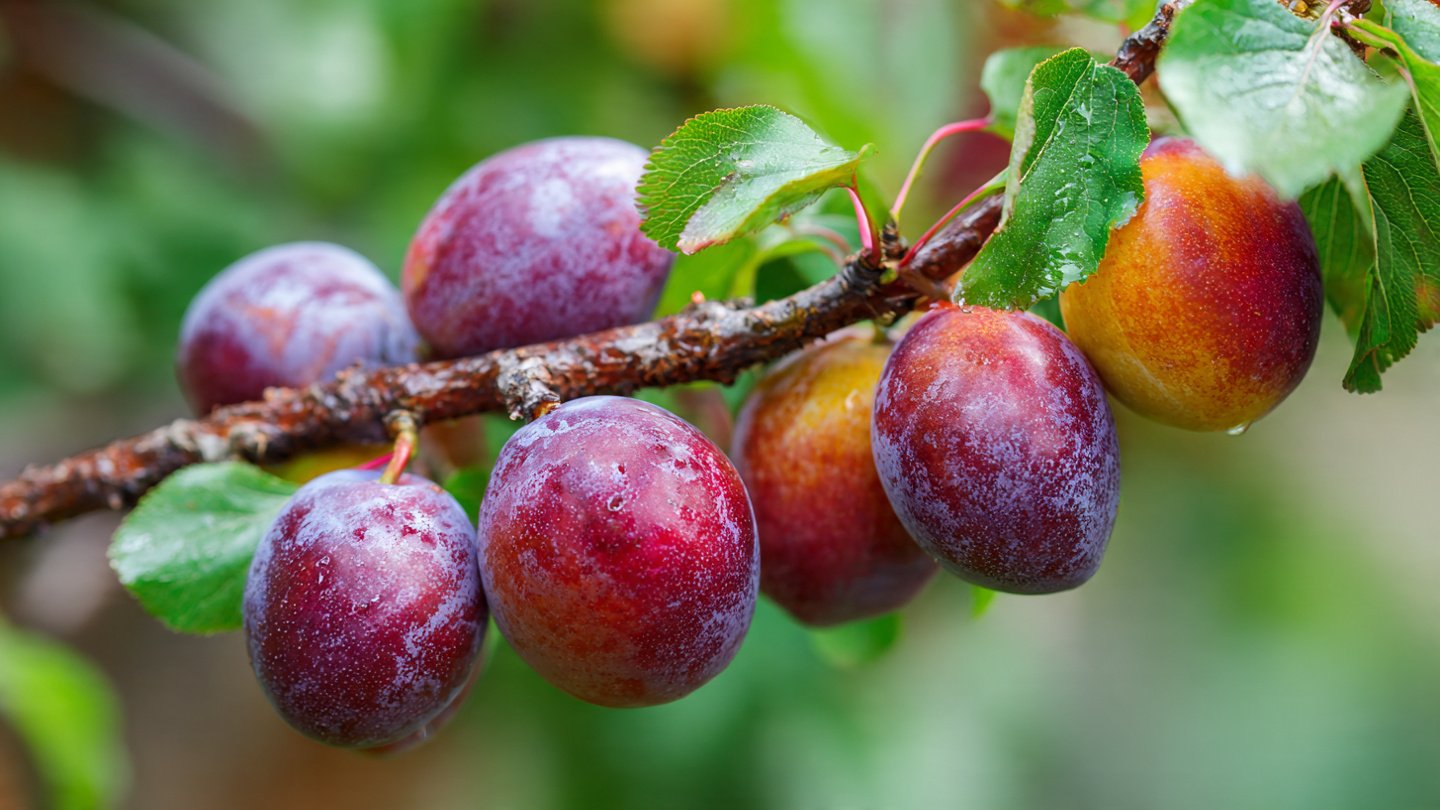
Apricot trees are a delightful addition to any backyard, offering sweet, juicy fruits and stunning spring blossoms that enhance your garden’s beauty. Whether you’re an experienced gardener or a beginner looking to expand your backyard orchard, growing apricots successfully requires understanding their specific needs, from soil and sunlight to pruning and pest management. This guide shares essential tips and expert techniques to help you cultivate a thriving apricot tree that produces abundant, flavorful fruit year after year.
Why Grow Apricot Trees?
Apricots are not only delicious but also nutrient-rich, containing vitamins A and C, dietary fiber, and antioxidants. Growing your own apricot tree allows you to:
- Enjoy fresh, homegrown fruit without pesticides.
- Add a beautiful flowering tree to your backyard landscape.
- Reduce grocery bills with seasonal harvests.
- Enhance your gardening skills by nurturing a long-living tree.
Apricot trees are relatively hardy but require specific care to thrive, particularly in terms of climate, soil, and maintenance.
Choosing the Right Apricot Variety
Selecting a variety suited to your climate and space is the first step to success. Apricots generally fall into two categories:
- Freestone Varieties – The pit easily separates from the fruit. Ideal for fresh eating and preserves. Examples include ‘Moorpark’, ‘Tilton’, and ‘Blenheim’.
- Clingstone Varieties – The pit clings to the fruit. Best for cooking, canning, and processing. Examples include ‘Goldcot’ and ‘Royal Rosa’.
Consider your region’s climate, your intended use, and whether you want a self-pollinating variety (which produces fruit without another tree nearby) or a cross-pollinating type that requires another apricot tree for optimal fruiting.
Selecting the Perfect Location
Apricot trees thrive when planted in locations that meet these essential conditions:
- Full sunlight: 6–8 hours daily ensures optimal flowering and fruit production.
- Well-draining soil: Apricots are sensitive to waterlogged roots, which can lead to root rot. Sandy loam or slightly alkaline soil is ideal.
- Sheltered spot: Planting near walls or fences can protect young trees from harsh winds and frost.
Avoid low-lying areas where cold air settles, as apricot blossoms are susceptible to frost damage in early spring.
Planting Your Apricot Tree
Proper planting sets the foundation for a healthy tree. Follow these steps for success:
- Timing: Plant bare-root apricot trees in late winter to early spring while they are dormant. Container-grown trees can be planted any time the soil is workable.
- Hole Preparation: Dig a hole twice the width of the root ball and slightly deeper than the root system.
- Amending Soil: Mix organic compost with native soil to improve fertility and drainage.
- Planting Depth: Position the tree so the graft union (the bulge near the base) sits 2–3 inches above the soil.
- Backfill Carefully: Fill the hole gradually, gently firming soil around roots to eliminate air pockets.
- Water Thoroughly: Water immediately after planting to settle the soil and support root establishment.
Mulching around the base helps retain moisture, regulate soil temperature, and suppress weeds. Maintain a 2–3 inch layer, keeping it a few inches away from the trunk to prevent rot.
Watering and Fertilization
Apricot trees require consistent care for strong growth and fruiting:
- Watering: Young trees need deep watering 2–3 times per week during the growing season. Established trees are more drought-tolerant but benefit from deep watering during dry spells, particularly while fruit is developing.
- Fertilization: Use a balanced fertilizer in early spring before growth resumes. Avoid excessive nitrogen, which promotes leafy growth at the expense of flowers and fruit.
- Soil Testing: Conduct periodic soil tests to maintain optimal pH (6.0–7.5) and nutrient levels, adjusting fertilization as needed.
Consistent care during the growing season ensures strong branches, healthy leaves, and abundant fruit.
Pruning and Training
Pruning is crucial for maintaining tree health, improving sunlight penetration, and enhancing fruit production. Apricot trees typically benefit from open-center pruning, which creates a vase-shaped structure:
- First Year: Remove weak, crossing, or damaged branches. Select 3–5 strong lateral branches as the main framework.
- Subsequent Years: Prune annually in late winter or early spring while the tree is dormant. Remove dead wood, suckers, and overcrowded branches.
- Summer Pruning: Lightly prune in summer to control size, improve airflow, and prevent disease.
Proper training and pruning reduce the risk of disease, improve fruit quality, and make harvesting easier.
Pollination
Most apricot varieties are self-fertile, but cross-pollination can enhance fruit set and size. If planting multiple trees, space them 15–20 feet apart and choose compatible varieties to encourage pollination. Bees and other pollinators play a crucial role, so minimizing pesticide use during bloom periods is essential.
Pest and Disease Management
Apricot trees are susceptible to various pests and diseases. Proactive management keeps your tree healthy and productive:
- Pests: Aphids, scale insects, fruit borers, and spider mites can damage trees. Introduce beneficial insects, use insecticidal soaps, or organic sprays when needed.
- Diseases: Brown rot, bacterial canker, and leaf curl are common. Prevent disease by pruning for airflow, removing fallen debris, and applying fungicides as needed.
- Regular Inspection: Check leaves, branches, and fruit weekly to catch problems early.
Maintaining tree health reduces fruit loss and ensures long-term productivity.
Harvesting Apricots
Knowing when and how to harvest is critical for flavor and quality:
- Timing: Apricots are ready to harvest when the fruit is fully colored, slightly soft to the touch, and easily separates from the stem.
- Technique: Gently twist or lift the fruit to avoid bruising.
- Frequency: Harvest regularly to encourage continuous production and prevent fruit from falling prematurely.
Properly harvested apricots can be eaten fresh, preserved, or used in jams, pies, and other culinary creations.
Winter Care
Apricot trees are hardy but benefit from winter care to ensure survival and flowering:
- Frost Protection: Cover young trees with frost cloths during late winter or early spring freezes.
- Pruning: Conduct dormant pruning to remove damaged wood and maintain shape.
- Mulching: Apply a thicker mulch layer around the base to protect roots from freezing temperatures.
With the right winter care, your apricot tree will emerge healthy and ready for spring growth.
Expert Tips for Thriving Apricot Trees
- Select disease-resistant varieties if available in your region.
- Plant in slightly elevated areas to reduce frost risk.
- Thin fruit clusters if necessary to prevent branch breakage and improve fruit size.
- Monitor soil moisture carefully, as both overwatering and underwatering can stress the tree.
- Observe your tree closely during bloom and fruiting; early intervention prevents long-term problems.
By following these expert techniques, your apricot tree will flourish, offering beauty and bounty for years to come.
Conclusion
Growing a thriving apricot tree in your backyard is a rewarding endeavor that combines knowledge, attention, and care. By selecting the right variety, planting in optimal conditions, watering and fertilizing appropriately, pruning strategically, and managing pests and diseases, you can enjoy healthy trees and abundant fruit season after season.
With patience and consistency, a backyard apricot tree becomes more than just a fruit source — it’s a centerpiece of your garden, a testament to your gardening skill, and a source of delicious, homegrown apricots for your family and friends. Start small, nurture your tree, and enjoy the sweet rewards of a thriving apricot orchard right in your backyard.