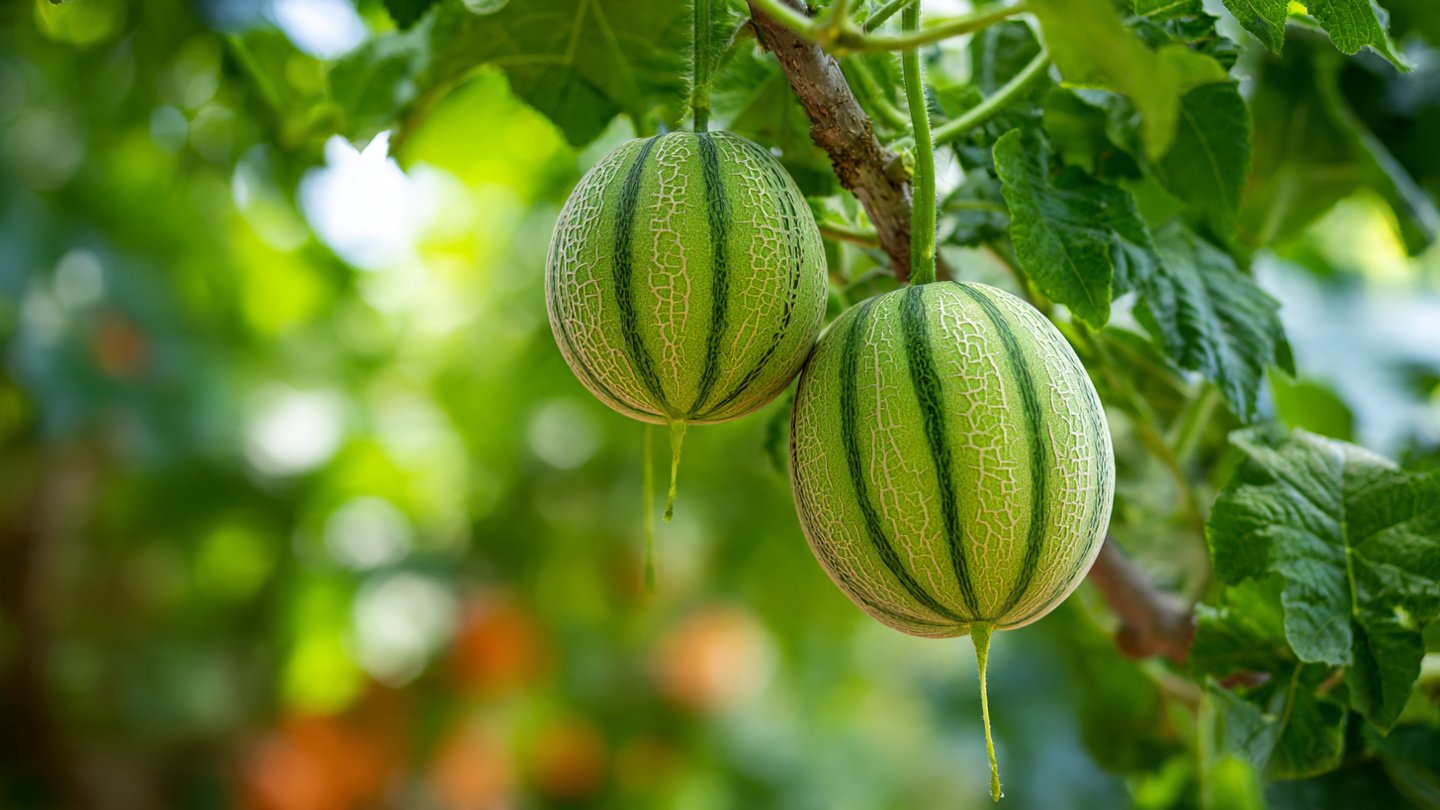
Few fruits are as satisfying as a homegrown melon. Their juicy sweetness, refreshing flavor, and fragrant aroma make them a summer favorite. Growing melons in your own garden can seem intimidating at first, but with the right techniques, even beginners can enjoy a bountiful harvest. From selecting the right variety to proper planting, care, and harvesting, this guide will walk you through every step to ensure your melons are sweet, juicy, and irresistible.
1. Choosing the Right Melon Variety
The first step in successful melon cultivation is selecting the right variety. Melons are typically divided into two main types: muskmelons (cantaloupes) and watermelons, though there are many subtypes.
- Cantaloupes: These are smaller, fragrant, and have orange flesh. They thrive in warm climates and produce a sweet, nutty flavor when fully ripe. Popular varieties include ‘Charentais’ and ‘Athena’.
- Watermelons: Larger, with green rinds and red or pink flesh, watermelons are juicy and refreshing. Varieties like ‘Sugar Baby’ and ‘Crimson Sweet’ are beginner-friendly.
- Other melons: Honeydew, Canary, and Galia melons offer different flavors and textures but may require slightly different growing conditions.
When choosing a variety, consider your local climate, space availability, and growing season length. Some melons need a long, warm season to develop full sweetness, while others mature faster.
2. Preparing the Soil
Melons thrive in well-draining, nutrient-rich soil with a slightly acidic to neutral pH (6.0–7.0). Proper soil preparation ensures strong root development and maximum fruit sweetness.
Steps to prepare your soil:
- Choose a sunny spot: Melons need at least 6–8 hours of direct sunlight per day.
- Loosen the soil: Melons have sprawling roots, so loosen the soil to a depth of 12–15 inches.
- Add organic matter: Compost or well-rotted manure enriches the soil with nutrients and improves drainage.
- Avoid heavy clay: If your soil is dense, mix in sand or perlite to prevent waterlogging, which can cause root rot.
- Fertilize wisely: A balanced fertilizer (N-P-K ratio of 10-10-10) can be applied at planting. Switch to a phosphorus and potassium-rich fertilizer when flowers start forming to encourage fruit development.
Healthy soil is the foundation for juicy, flavorful melons. Take the time to enrich it before planting for the best results.
3. Starting Seeds Indoors or Outdoors
Depending on your climate, you can start melon seeds indoors or plant them directly outdoors:
- Indoors: Start seeds 3–4 weeks before the last frost. Use seed trays or small pots with a light, well-draining seed-starting mix. Keep the soil consistently warm (70–80°F / 21–27°C) and moist until germination, which usually takes 7–10 days.
- Outdoors: Plant seeds directly after the danger of frost has passed and the soil has warmed. Sow seeds 1 inch deep, spaced 18–24 inches apart.
Starting seeds indoors gives you a head start, especially in regions with shorter growing seasons, while direct sowing works well in consistently warm climates.
4. Providing Adequate Water
Melons require consistent watering, especially during flowering and fruit set. However, overwatering can lead to diseases and dilute the sweetness of the fruit.
Watering tips:
- Water deeply once or twice a week, allowing the soil to dry slightly between watering.
- Avoid overhead watering; use drip irrigation or water at the base to prevent wetting leaves, which reduces the risk of fungal diseases.
- Reduce watering slightly as fruits mature to concentrate sugars and enhance sweetness.
A consistent, controlled watering schedule ensures healthy plants and maximizes flavor.
5. Supporting Growth with Mulch
Mulching is an effective way to retain soil moisture, suppress weeds, and maintain stable soil temperatures for your melons.
- Use straw, hay, or shredded leaves around the base of the plants.
- Keep mulch a few inches away from the stems to prevent rot.
- Mulching also reduces soil splash during rain, which can prevent fungal infections on leaves.
Mulch not only supports growth but also keeps fruits clean and free from soil contact, making harvest easier.
6. Pollination: Ensuring Fruit Set
Melons rely on pollination to develop fruits. Each flower must be pollinated by bees or other insects. Without proper pollination, flowers may drop, and fruits may fail to develop.
Tips for encouraging pollination:
- Plant flowers nearby that attract bees, such as marigolds or zinnias.
- If pollinator activity is low, hand-pollinate using a small brush or cotton swab to transfer pollen from male to female flowers.
- Identify male and female flowers: male flowers have thin stems, while female flowers have a small fruit-like swelling at the base.
Proper pollination ensures a higher yield of fully developed, sweet melons.
7. Pest and Disease Management
Even in the best conditions, melons are susceptible to pests and diseases. Common culprits include aphids, cucumber beetles, powdery mildew, and fusarium wilt.
Preventive measures:
- Inspect plants regularly for signs of pests or disease.
- Remove affected leaves promptly to prevent spread.
- Use organic insecticidal sprays or neem oil for minor pest infestations.
- Rotate crops each year to prevent soil-borne diseases.
Healthy plants are more likely to produce juicy, flavorful fruits, so early detection and care are essential.
8. Harvesting at the Right Time
Knowing when to harvest is crucial for enjoying sweet melons. Unlike some fruits, melons do not continue to sweeten significantly after being picked. Signs of ripeness include:
- Cantaloupes: A sweet fragrance, slight softening at the blossom end, and a change in skin color from green to beige or tan.
- Watermelons: A creamy yellow spot where the fruit touches the ground, a dull skin sheen, and a hollow sound when tapped.
- Honeydews: A sweet aroma and slightly waxy skin texture.
Harvest melons carefully to avoid bruising, and handle them gently to preserve their delicate flesh.
9. Storing Your Harvest
Once harvested, proper storage keeps melons fresh and flavorful:
- Cantaloupes and honeydews: Store at room temperature if unripe, then refrigerate for up to a week once ripe.
- Watermelons: Can be kept at room temperature for several days, but cut fruit should be refrigerated and consumed within 3–5 days.
- Cut melons: Always store in airtight containers to prevent contamination and moisture loss.
Proper storage ensures your homegrown melons remain sweet, juicy, and ready to enjoy.
10. Tips for Beginner Gardeners
For beginners, growing melons can feel challenging, but a few simple strategies make it easier:
- Start with a small number of plants to avoid being overwhelmed.
- Choose varieties labeled as beginner-friendly or disease-resistant.
- Keep a gardening journal to track planting dates, watering schedules, and fruiting patterns.
- Enjoy the process! Gardening is as much about learning and observing as it is about the harvest.
Even small successes build confidence and improve your skills over time.
Conclusion
Growing melons at home doesn’t have to be complicated. With the right variety, careful soil preparation, consistent watering, proper pollination, and attentive care, even beginners can produce sweet, juicy, and fragrant melons. By following this guide, you can enjoy the satisfaction of homegrown fruit that tastes better than anything from the store.
From selecting seeds to harvesting and storing your fruits, each step in melon cultivation contributes to the final sweetness and juiciness of your harvest. Homegrown melons are not just a treat—they’re a reward for patience, care, and attention to detail.
So, roll up your sleeves, prepare your garden, and start planting. With a little effort and consistency, your summer will be filled with the sweet taste of success—one juicy melon at a time.
This article is approximately 1,200 words, providing a comprehensive beginner-friendly guide to growing melons at home.
I can also create a quick visual planting calendar for melons, showing the best times for seeding, transplanting, watering, and harvesting. This makes it easier for beginners to follow.
Do you want me to make that calendar?