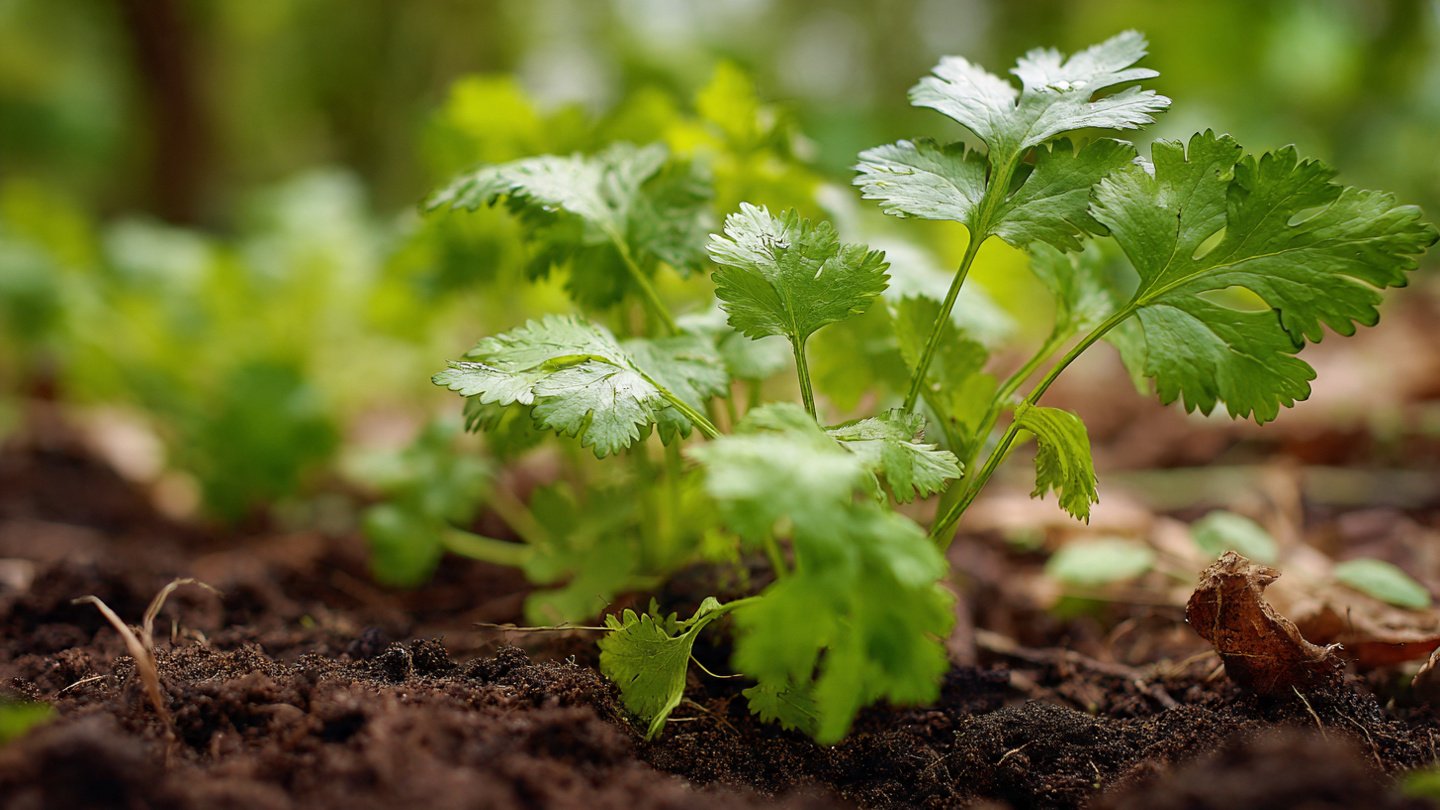
Coriander, also known as cilantro, is one of the most versatile and flavorful herbs in the kitchen. Its bright, citrusy leaves enhance salads, salsas, curries, and garnishes, while its seeds—known as coriander—add a warm, aromatic flavor to spice mixes. For home gardeners, one of the biggest challenges is that coriander tends to bolt quickly, going to seed when temperatures rise, which can limit your harvest.
The good news? With the right techniques, you can grow coriander all year round, ensuring a steady supply of fresh leaves and seeds. This guide shares expert tips for continuous harvesting success, whether you’re gardening in containers, on a balcony, or in the backyard.
Understanding Coriander and Its Growth Cycle
Coriander is an annual herb, meaning it completes its life cycle—from seed to flower to seed—within one growing season. Its delicate, feathery leaves grow quickly, but high temperatures, long days, or inconsistent watering often trigger early flowering, also called bolting. Once bolting occurs, the leaves lose flavor, and the plant focuses on producing seeds.
To grow coriander continuously, it’s essential to understand its preferred conditions:
- Temperature: Cool, moderate temperatures (17–24°C / 63–75°F) are ideal.
- Light: Full sun for most of the day, though partial shade helps in hot climates.
- Soil: Well-draining, nutrient-rich soil with a pH of 6.2–6.8.
- Water: Consistent moisture is key, but avoid waterlogging.
With these conditions in mind, you can plan strategies to keep coriander thriving all year.
Tip 1: Start Seeds Indoors for Year-Round Growth
One of the easiest ways to grow coriander continuously is to start seeds indoors, especially in cooler months or hot climates. Indoor sowing allows you to control temperature and light, preventing early bolting.
Steps for indoor sowing:
- Use a shallow container with drainage holes.
- Fill with seed-starting mix or light potting soil.
- Sow seeds ¼–½ inch deep and cover lightly with soil.
- Water gently until the soil is damp.
- Place in a bright location or under a grow light.
- Keep soil consistently moist until germination, which usually takes 7–10 days.
Once seedlings have a few true leaves, you can transplant them outdoors or keep them in pots inside your home, ready to harvest continuously.
Tip 2: Stagger Your Planting Schedule
Continuous harvesting is all about timing. Instead of planting all seeds at once, stagger sowings every 2–3 weeks. This ensures you have young plants ready to replace older ones that are bolting or harvested heavily.
Benefits of staggered planting:
- Avoids gaps in leaf supply.
- Prevents overcrowding.
- Reduces stress on individual plants.
For instance, if you sow a small batch every two weeks, you can maintain a constant rotation of fresh coriander, keeping your kitchen stocked year-round.
Tip 3: Use Containers and Window Boxes
Coriander adapts well to containers, making it perfect for balconies, patios, or kitchen windowsills. Containers offer several advantages for continuous growth:
- Mobility: Move plants to shade during hot afternoons or indoors during frost.
- Drainage control: Prevent waterlogged soil.
- Space management: Rotate crops or replace bolting plants easily.
Container tips:
- Use pots at least 6–8 inches deep.
- Choose wide containers to allow spreading of roots.
- Ensure good drainage holes.
- Refresh the soil mix every few months for nutrients.
By using containers, you can create microclimates suitable for coriander, helping it grow even in challenging seasons.
Tip 4: Provide Partial Shade in Hot Months
Coriander tends to bolt in high heat, so protecting it from intense sunlight is essential in summer. Use light shade cloth, position containers where they receive morning sun and afternoon shade, or grow under taller plants to diffuse sunlight.
Additional tips:
- Water regularly to keep soil cool.
- Mulch lightly to retain moisture.
- Avoid overcrowding to improve airflow and reduce heat stress.
Partial shade helps extend the growing period, giving you more harvests before flowering.
Tip 5: Keep Soil Moist but Not Waterlogged
Coriander needs consistent moisture to stay tender and flavorful. Dry soil stresses the plant, causing it to bolt, while waterlogged soil can lead to root rot.
Watering tips:
- Check the soil daily; water when the top inch feels dry.
- Water early in the day to reduce fungal risks.
- Avoid splashing leaves excessively to prevent disease.
- Use drip irrigation or self-watering containers for consistent moisture.
Balanced watering encourages steady leaf production, which is key for year-round harvesting.
Tip 6: Feed Your Plants Regularly
Although coriander is not a heavy feeder, occasional fertilization promotes healthy growth and flavor. Use organic or balanced liquid fertilizers every 4–6 weeks, or mix compost into the soil.
Fertilizer tips:
- Avoid excessive nitrogen, which encourages leafy growth but can weaken roots.
- Incorporate slow-release fertilizer at planting time.
- Consider compost tea or fish emulsion for an extra nutrient boost.
Healthy, well-fed plants are more resilient and less prone to premature flowering.
Tip 7: Harvest Correctly and Often
Frequent harvesting is essential to encourage continuous growth. Cutting leaves regularly prevents bolting and promotes bushy development.
How to harvest coriander:
- Snip leaves at the base of the stem.
- Avoid removing more than one-third of the plant at once.
- Harvest early in the day for maximum flavor.
- Save a few older plants to flower for seeds if desired.
Proper harvesting keeps plants productive and ensures a steady supply of tender leaves for cooking.
Tip 8: Encourage Flowering for Seed Collection
If you want coriander seeds (coriander spice), allow a few plants to flower and go to seed. Seeds can be harvested and dried, giving you a supply for both cooking and future sowing.
Tips for seed collection:
- Let flowers develop fully and dry on the plant.
- Cut flower heads and hang them upside down in a dry place.
- Shake seeds into a container once fully dry.
- Store seeds in airtight jars away from sunlight.
This method also allows you to save seeds for future plantings, supporting continuous growth year after year.
Tip 9: Protect From Pests and Diseases
Coriander is relatively pest-resistant but can occasionally face aphids, whiteflies, or fungal diseases. Early prevention ensures uninterrupted growth.
Prevention tips:
- Inspect leaves weekly for signs of pests.
- Use insecticidal soap or neem oil for minor infestations.
- Avoid overhead watering to reduce fungal risk.
- Remove yellowing or damaged leaves promptly.
Healthy plants are less likely to bolt prematurely and produce flavorful leaves consistently.
Tip 10: Rotate Plants for Continuous Success
If growing coriander in outdoor beds, rotate crops to avoid soil depletion and disease buildup. Growing coriander in containers or different sections of your garden each season helps maintain soil health.
Rotation tips:
- Avoid planting coriander in the same spot consecutively.
- Follow coriander with beans, lettuce, or spinach to restore nutrients.
- Refresh potting soil for container plants each season.
Rotation keeps coriander strong, resilient, and productive throughout the year.
Bonus Tip: Companion Planting
Coriander benefits from being planted alongside certain herbs and vegetables:
- Basil and mint: Repel pests naturally.
- Tomatoes: Improve flavor and deter harmful insects.
- Spinach or lettuce: Share containers for a mixed harvest.
Strategic companion planting supports healthier plants and reduces the need for chemical interventions.
Final Thoughts
Growing coriander all year round is entirely possible with careful planning, consistent care, and a few smart strategies. By staggering sowings, providing partial shade in hot months, maintaining proper moisture, and harvesting regularly, you can enjoy a continuous supply of fresh, flavorful leaves.
Whether you’re a beginner or an experienced gardener, these tips help transform coriander from a fleeting seasonal herb into a year-round kitchen staple. Fresh coriander elevates soups, salads, curries, and garnishes, while coriander seeds provide a warm, aromatic addition to your spice rack. With dedication and a little patience, your coriander garden can become a reliable source of culinary inspiration all year long. 🌿🌱