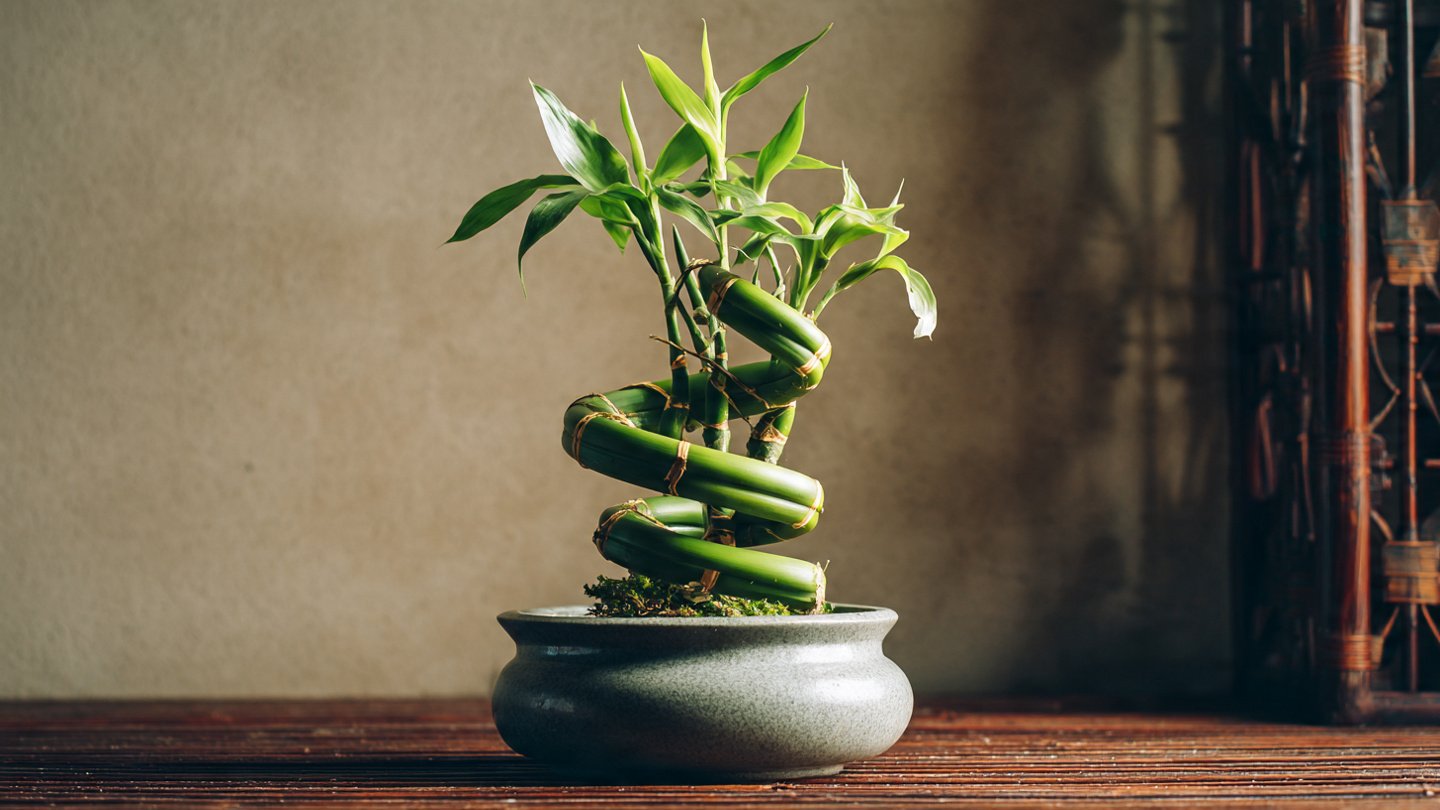
Lucky bamboo is more than just a decorative houseplant. Known for its graceful green stalks and symbolic meaning in Feng Shui, it is believed to bring good luck, prosperity, and positive energy into a home. Among its many forms, spiral-shaped lucky bamboo is the most eye-catching and popular. Its elegant curves give any space a calm, modern look—and the good news is that you can cultivate and shape it yourself at home.
Growing spiral lucky bamboo does not require advanced gardening skills or expensive equipment. With patience, basic care, and a little understanding of how the plant grows, you can guide it into beautiful spirals. This article explores simple techniques, step-by-step methods, and essential care tips to help you successfully cultivate spiral-shaped lucky bamboo at home.
Understanding Lucky Bamboo Growth
Despite its name, lucky bamboo is not actually bamboo. Its scientific name is Dracaena sanderiana, and it belongs to the asparagus family. What makes lucky bamboo special is its strong response to light. The plant naturally bends toward its light source, a phenomenon known as phototropism. This natural tendency is the key to creating spiral shapes.
Lucky bamboo grows slowly, which makes shaping easier but requires patience. Spirals are not created overnight; they develop gradually as the stalk curves toward light over weeks or even months.
Choosing the Right Lucky Bamboo Plant
Before you begin shaping, it’s important to select the right plant.
- Choose young, healthy stalks with vibrant green color
- Avoid stalks with yellowing leaves, soft stems, or dark spots
- Straight stalks are best for spiral shaping
- Single-stalk plants are easier to control than multi-stalk arrangements
You can grow lucky bamboo either in water or soil. For spiral shaping, water-grown bamboo is often preferred because it allows easier observation and adjustment.
Materials You Will Need
To cultivate spiral-shaped lucky bamboo at home, gather the following simple materials:
- A healthy lucky bamboo stalk
- A container or vase
- Clean, distilled or filtered water
- A cardboard box or cylindrical container
- A small opening or hole for light
- Soft ties or string (optional)
- Indirect sunlight
These everyday items are enough to guide the plant’s growth naturally.
Technique 1: The Light-Guided Spiral Method
This is the most common and effective method for creating spiral shapes.
Step-by-Step Process
- Place the bamboo in a container
Set the bamboo stalk upright in water, ensuring the roots are submerged while the stalk remains above water. - Cover the plant with a box
Place a cardboard box or tall container over the plant, leaving a small opening on one side. - Position the light source
Place the opening toward a source of indirect sunlight. Avoid harsh direct sunlight, which can burn the leaves. - Rotate the container slowly
Every 5–7 days, rotate the box slightly so the opening faces a new direction. The bamboo will slowly bend toward the light. - Repeat the rotation
Over several weeks, this gradual rotation encourages the stalk to curve into a spiral shape.
Key Tip
Patience is essential. Rushing the rotation can stress the plant or cause uneven bends.
Technique 2: Partial Shade Rotation
If you prefer a simpler approach, partial shade rotation works well.
- Place the bamboo in indirect sunlight
- Every few days, rotate the container slightly
- Ensure the plant consistently leans toward the light
This method produces gentler curves rather than tight spirals, making it ideal for beginners.
Technique 3: Tube or Cylinder Shaping
This method is useful for controlling the curve more precisely.
- Use a tall transparent tube or cylinder
- Place the bamboo inside with room to grow
- Position light from one side only
- Rotate the cylinder gradually as the stalk bends
The tube acts as a guide, preventing sharp angles while encouraging smooth curves.
Water and Nutrient Care
Proper care ensures healthy growth while shaping the spiral.
Water Care
- Change water every 7–10 days
- Use distilled or filtered water to prevent mineral buildup
- Keep water levels just high enough to cover the roots
- Rinse roots occasionally to prevent algae growth
Nutrients
- Use liquid fertilizer specifically made for lucky bamboo
- Apply only once every 1–2 months
- Over-fertilizing can cause yellow leaves and weak stalks
Light Requirements
Light plays a crucial role in shaping and maintaining spiral lucky bamboo.
- Bright, indirect light is ideal
- Avoid direct sunlight, which can scorch leaves
- Too little light slows growth and weakens curves
Consistent lighting conditions help maintain a uniform spiral shape.
Pruning and Maintenance
Regular maintenance keeps your bamboo healthy and attractive.
- Trim yellow or damaged leaves with clean scissors
- Remove excess shoots if the plant becomes overcrowded
- Wipe leaves gently to remove dust and improve photosynthesis
Pruning does not harm the plant and encourages energy to focus on the main stalk.
Common Mistakes to Avoid
When cultivating spiral lucky bamboo, avoid these common errors:
- Using tap water with chlorine
- Exposing the plant to direct sunlight
- Rotating the plant too quickly
- Over-fertilizing
- Ignoring early signs of stress, such as yellowing leaves
Correcting these mistakes early helps preserve the spiral shape and plant health.
How Long Does It Take to Form a Spiral?
Spiral shaping is a slow but rewarding process. On average:
- Gentle curves appear in 3–4 weeks
- Visible spiral formation takes 2–3 months
- Tighter spirals may take 4–6 months
Growth speed depends on light, temperature, and overall care.
Feng Shui Benefits of Spiral Lucky Bamboo
In Feng Shui, spiral lucky bamboo symbolizes:
- Continuous growth and movement
- Positive energy flow
- Harmony and balance
Placing spiral lucky bamboo in living rooms, offices, or entryways is believed to enhance prosperity and well-being.
Final Thoughts
Cultivating spiral-shaped lucky bamboo at home is a perfect blend of nature and creativity. With simple techniques, minimal tools, and a little patience, you can transform a straight stalk into an elegant living sculpture. The process not only enhances your space but also creates a calming, mindful gardening experience.
Whether you grow it for decoration, good luck, or the joy of shaping something beautiful, spiral lucky bamboo is a rewarding plant that proves you don’t need a large garden to practice the art of cultivation—just care, consistency, and time.