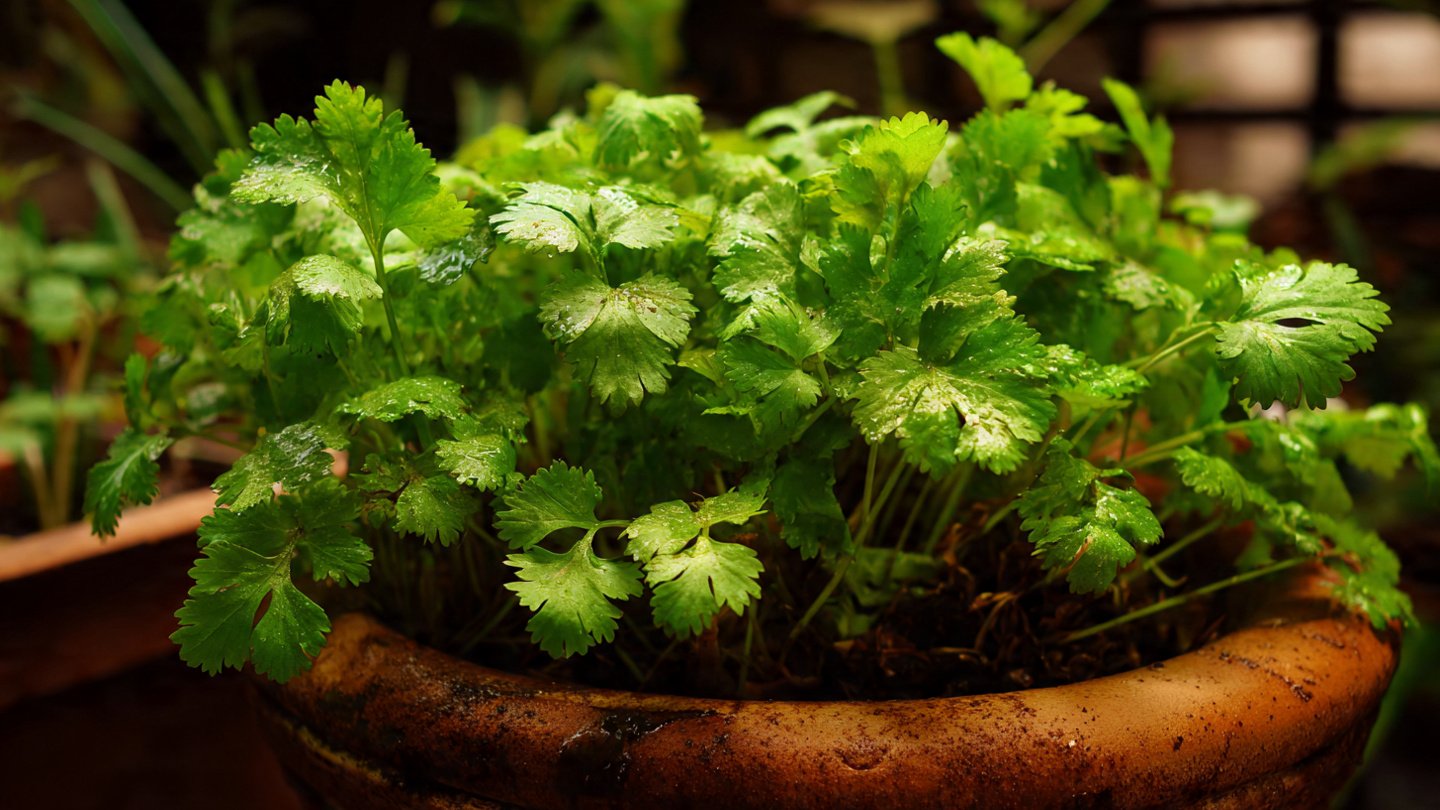
Coriander (Coriandrum sativum), also known as cilantro, is a versatile herb beloved for its fresh leaves and aromatic seeds. It adds flavor to cuisines worldwide and is an essential ingredient in salsas, curries, and salads. However, one of the most common frustrations gardeners face is bolting—when coriander prematurely flowers and goes to seed, leaving the leaves bitter and reducing the harvest. Understanding why bolting occurs and employing simple cultivation techniques can help you grow healthy, flavorful coriander consistently.
This guide explores practical strategies to prevent bolting and enjoy a continuous supply of fresh coriander.
1. Understanding Bolting in Coriander
Bolting is a natural process where the plant shifts from leaf production to flowering and seed formation. While it is part of the plant’s life cycle, early bolting reduces the culinary value of the leaves. Factors influencing bolting include:
- Temperature stress: Coriander is a cool-season plant. High temperatures, particularly above 75°F (24°C), can trigger rapid flowering.
- Day length: Longer daylight hours accelerate the transition to flowering.
- Soil conditions: Poor drainage or nutrient imbalance can stress the plant, making it more likely to bolt.
- Plant maturity: Older plants are naturally more prone to bolting.
Recognizing these triggers allows gardeners to take preventive measures before bolting occurs.
2. Choosing the Right Varieties
Selecting coriander varieties that are slow to bolt is one of the simplest techniques to prevent premature flowering.
- Slow-bolting varieties: Varieties like ‘Santo,’ ‘Calypso,’ and ‘ Leisure’ are bred for slower flowering, allowing extended leaf production.
- Adapted to climate: Choose varieties suited to your local climate, as temperature and day length influence flowering.
- Seed source: Use high-quality, fresh seeds from reputable suppliers to ensure plant vigor and reduced susceptibility to stress.
Starting with the right variety lays the foundation for a successful coriander crop.
3. Timing Your Planting
Proper timing is crucial to prevent bolting, especially in regions with hot summers or long days.
- Cool-season planting: Coriander thrives in temperatures between 50°F and 75°F (10°C–24°C). Plant seeds in early spring or late summer for a fall harvest.
- Staggered sowing: Planting seeds every 2–3 weeks ensures a continuous harvest, compensating for plants that may bolt early.
- Shade consideration: In warmer climates, partial shading can reduce heat stress and delay bolting.
By aligning sowing schedules with favorable environmental conditions, gardeners can maximize leaf production and minimize flowering.
4. Soil Preparation and Fertility
Healthy, well-drained soil is essential for robust coriander growth and resistance to bolting.
- Soil type: Light, loamy soil with good drainage prevents waterlogging, which can stress plants.
- Soil pH: Coriander prefers slightly acidic to neutral soil (pH 6.2–7.0).
- Fertility management: Incorporate organic matter such as compost or well-rotted manure to maintain nutrient balance.
- Avoid excess nitrogen: While nitrogen promotes leafy growth, overly rich soil can make plants tender and prone to stress when temperatures rise, paradoxically triggering bolting.
A well-prepared soil environment supports steady leaf production and delays the transition to flowering.
5. Proper Watering Techniques
Water stress is a major factor that accelerates bolting. Both drought and waterlogging can induce flowering.
- Consistent moisture: Keep the soil evenly moist but not soggy. Mulching helps retain moisture and moderates soil temperature.
- Deep watering: Encourage deep root growth to enhance plant resilience against heat stress.
- Avoid overhead watering in hot conditions: Watering in the heat of the day can stress the plant; early morning watering is ideal.
Balanced watering reduces plant stress and lowers the risk of premature bolting.
6. Temperature and Shade Management
Since coriander prefers cool conditions, managing heat exposure is key:
- Shade cloth: In regions with intense sun, a light shade cloth can reduce leaf scorch and heat stress.
- Mulching: Organic mulch lowers soil temperature and conserves moisture. Straw, shredded leaves, or bark chips work effectively.
- Container planting: Growing coriander in pots allows you to move plants to shaded areas during heatwaves.
Cooling strategies create a more stable microclimate, delaying flowering and prolonging leaf harvest.
7. Pruning and Harvesting Practices
Regular harvesting not only provides fresh coriander leaves but also encourages continued vegetative growth:
- Frequent leaf picking: Harvest the outer leaves regularly rather than letting the plant mature fully. This reduces the plant’s energy allocation to flowering.
- Pinching tips: Snip the top 1–2 inches of stems to delay flowering. Pinching redirects energy back into leaf growth rather than seed production.
- Avoid full plant removal too early: Leave enough leaves for photosynthesis to maintain plant health.
Proper pruning and harvesting techniques actively prevent bolting and keep plants productive.
8. Companion Planting and Microclimate Effects
Planting coriander alongside complementary species can create a favorable microclimate that reduces stress and delays bolting:
- Tall companion plants: Beans, spinach, or other leafy crops provide partial shade and reduce temperature fluctuations.
- Moisture retention: Companion plants help maintain humidity around coriander, reducing drought stress.
- Pest deterrence: Certain companions, such as basil or dill, may deter pests that can stress coriander and indirectly trigger bolting.
Strategic planting enhances overall garden resilience and prolongs the productive phase of coriander.
9. Managing Pests and Diseases
Stressed plants are more prone to bolting, so controlling pests and diseases is essential:
- Common pests: Aphids, whiteflies, and caterpillars can damage leaves, leading to stress-induced flowering.
- Fungal diseases: Powdery mildew or leaf spot can reduce photosynthesis and prompt bolting.
- Integrated pest management: Use natural predators, neem oil, or insecticidal soaps as preventive measures.
- Sanitation: Remove affected leaves promptly and ensure proper spacing for air circulation.
Healthy plants are naturally less prone to premature flowering, making pest and disease management critical.
10. Temperature Shock and Stress Management
Rapid changes in temperature or light can trigger bolting as a survival mechanism:
- Avoid sudden exposure to heat: Gradually acclimate seedlings if transplanting to full sun.
- Wind protection: Strong winds can dry out soil and damage leaves, stressing plants and promoting flowering.
- Fertilizer stress: Avoid high-nitrogen fertilizers in hot weather, as excessive growth may paradoxically trigger flowering.
Minimizing environmental stressors ensures coriander remains in the leafy growth stage longer.
11. Using Container or Indoor Cultivation
For gardeners in regions with extreme heat or unpredictable climates, container or indoor cultivation is a reliable method:
- Mobility: Move pots to shaded areas or indoors during heat waves.
- Control soil and water: Containers allow precise management of drainage and moisture.
- Extended growing season: Indoor or container plants can be protected from seasonal extremes, reducing the risk of bolting.
Even small-scale container cultivation can provide continuous, flavorful leaves for personal use.
Conclusion
Bolting is a natural but frustrating process in coriander cultivation. Fortunately, with the right strategies, gardeners can successfully grow coriander without premature flowering. Key techniques include:
- Choosing slow-bolting, climate-adapted varieties.
- Planting at the right time and using staggered sowing.
- Preparing well-draining, nutrient-balanced soil.
- Maintaining consistent moisture and avoiding water stress.
- Managing temperature through shade, mulch, and container placement.
- Regular pruning and selective harvesting to redirect plant energy.
- Companion planting to create favorable microclimates.
- Vigilant pest and disease management.
- Minimizing stress from environmental shocks.
By understanding the biology of coriander and implementing these simple cultivation techniques, gardeners can enjoy a continuous supply of tender, aromatic leaves. Preventing bolting not only maximizes your harvest but also enhances the flavor, appearance, and culinary value of this indispensable herb. With patience, proper care, and a little planning, growing coriander successfully becomes a rewarding, sustainable, and frustration-free experience.